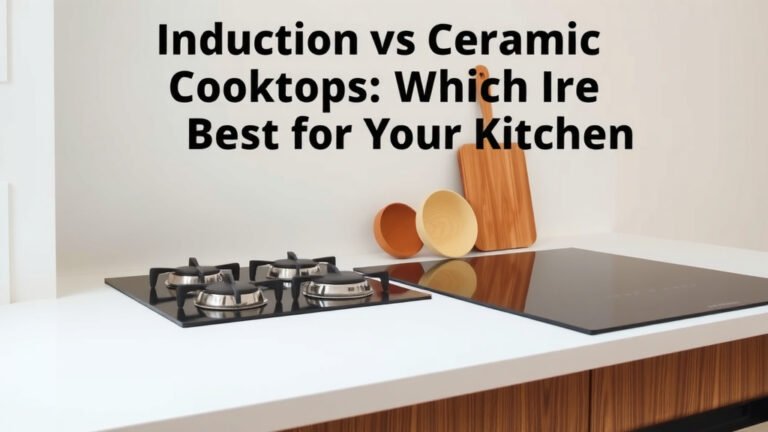
Does an Induction Cooker Need Ventilation? What to Know
No, an induction cooker does not need special ventilation like a gas stove does. It heats your pan using magnetic energy, not open flames, so it produces almost no smoke, fumes, or excess heat. That said, you still cook food on it, and food creates steam and smells, so a basic range hood or open window is still a smart idea. If you’re weighing a hood, our guide to how a range hood works covers what it actually does for your kitchen air.
When we researched this topic, we found that many experts agree induction is one of the cleanest cooking options for your indoor air. Gas burners release combustion gases into your kitchen, while induction keeps all that heat inside the pot. But here’s the thing: burnt cheese still smells like burnt cheese, no matter how high-tech your stove is. So while ventilation isn’t required, a little airflow makes your kitchen more comfortable.
Quick recap before we dive in:
- Induction cookers don’t produce fumes or flames, so heavy ventilation isn’t required.
- You’ll still generate steam, smoke from overcooking, and cooking odors.
- A basic range hood or a cracked window is usually enough.
- Induction gives off less waste heat than gas or electric, keeping your kitchen cooler.
- Good airflow still helps with moisture and keeps your air fresh.
Below, we break down everything you need to know about induction cookers and kitchen ventilation, step by step. Let’s get into it!
How Induction Cooking Actually Works (And Why It Matters for Air Quality)
The short answer: induction uses a magnetic field to heat the pot itself, not the air around it. When you turn on an induction burner, a coil under the glass surface creates a magnetic current. That current excites the iron molecules in your pan, and the pan gets hot.
Here’s the neat part. The stovetop surface stays relatively cool because it never produces heat directly. If you put your hand on an active induction burner (please don’t), it would feel warm at most. Compare that to a gas flame licking up the sides of a pot, and you can see why the air quality story is so different.
We found that this heat-transfer difference is the whole reason ventilation needs change. No flame means no combustion. No combustion means no byproducts floating into your lungs.
What Gas Stoves Put Into Your Air That Induction Doesn’t
Gas burners burn natural gas or propane right there in your kitchen. That process releases nitrogen dioxide, carbon monoxide, and tiny particles into the air you breathe. Research compiled by the NIH links indoor NO2 from gas cooking to higher rates of asthma symptoms, especially in kids.
Induction skips all of that. There’s no flame, no pilot light, and no combustion gas. When we researched side-by-side comparisons, many experts said induction produces almost none of the pollutants tied to gas cooking.
So if your main worry is fumes, relax. You’re already ahead of the game.
What Induction Cooking Still Puts Into Your Kitchen Air
Now, induction isn’t magic. You’re still heating food, and food does its own thing to the air. Here’s what you can expect:
- Steam from boiling water, soups, and steaming veggies.
- Grease particles from frying, searing, and sautéing.
- Odors from garlic, fish, curry, and yes, burnt experiments.
- Occasional smoke when oil gets too hot or cheese escapes the sandwich.
- Extra humidity, which matters more than most people realize.
None of these are toxic on their own. But steam and grease build up over time. That’s where basic ventilation earns its keep.
Why Moisture and Grease Are the Real Villains
Here’s something we found surprises a lot of people. The biggest long-term problem in kitchens isn’t smoke. It’s moisture.
Every pot of pasta water pumps humidity into your home. Over months, that dampness can feed mold on walls and window frames. The CDC recommends keeping indoor humidity under about 60% to keep mold from settling in. Cooking is one of the biggest indoor moisture sources, right up there with showers.
Grease is the other quiet troublemaker. Airborne grease lands on cabinets, backsplashes, and range hood filters. It’s sticky, it attracts dust, and it’s annoying to clean. A hood catches most of it before it spreads.
Signs Your Kitchen Needs Better Airflow
Not sure if your setup is working? Watch for these clues:
- Windows fog up when you cook.
- Yesterday’s dinner smell hangs around until morning.
- You see grease film on nearby cabinets.
- Your smoke detector gets chatty, even without real fires.
- Condensation shows up on walls or ceilings near the stove.
Any of these mean it’s time to boost your ventilation routine, not upgrade your cooktop.
Range Hood vs. Open Window vs. Nothing At All
So what’s the minimum you need? We found a pretty clear ranking. A vented (ducted) range hood that pushes air outside is the gold standard. A recirculating hood with charcoal filters is a solid second. An open window beats nothing. And doing nothing? That’s how you end up wiping orange grease film off your spice jars.
Here’s a quick comparison to make it easy:
| Option | Handles Steam | Handles Odors | Best For |
|---|---|---|---|
| Ducted range hood | Yes | Yes | Frequent cooks, heavy frying |
| Recirculating hood | Partly | Somewhat | Apartments, no outside vent |
| Open window + fan | Partly | Partly | Light cooking, backup option |
| Nothing | No | No | Not recommended, honestly |
Many experts say running any hood for a few minutes after cooking matters as much as running it during. The leftover steam and smells take a while to clear.

Do Portable Induction Cooktops Need Any Ventilation?
Great question, and the answer is basically the same. Portable induction burners are common in dorms, RVs, and tiny apartments. They don’t need vents because they don’t produce fumes.
They do need airflow around the unit itself, though. The fan inside vents warm air out the bottom and sides. Check the clearance recommendations in your manual, and keep the vents unblocked. That protects the electronics, not your lungs.
Induction in RVs, Boats, and Tiny Homes
Small spaces fill with steam and smells fast. In a space that tiny, we found the smart move is simple: crack a window or run a small vent fan while you cook. It takes ten seconds and saves you from living inside a garlic cloud.
Does Induction Heat Up Your Kitchen Less?
Yes, and this is one of induction’s sneakiest perks. Because heat goes into the pan instead of the air, your kitchen stays cooler. Less wasted heat means less need for a big powerful hood to pull hot air out.
If you’ve ever cooked a holiday meal on a gas range and felt like a rotisserie chicken yourself, you know exactly what we mean. Induction cooks tend to notice their kitchen stays far more comfortable, even during long sessions.
Your Simple Induction Ventilation Checklist
Want the whole thing boiled down? Here’s your quick list:
- Turn on your range hood before you start cooking.
- Let it run 5–10 minutes after you finish.
- Crack a window if you don’t have a hood.
- Clean or replace hood filters every few months.
- Wipe splatters early so grease never goes airborne in bulk.
- Watch for fogged windows as your humidity warning sign.
When Would Induction Actually Require Ventilation?
There’s one honest exception worth mentioning. If you’re searing steaks at high heat, frying often, or wok cooking hard, you’ll generate real smoke and grease. In those cases, treat your induction setup like any high-heat kitchen. A good ducted hood is genuinely worth it.
Also, check your local building codes. Some areas require a hood or vent above any cooking surface during new construction or remodels, regardless of fuel type. A quick call to your local permit office saves headaches later. Building rules, not the cooktop itself, are usually the deciding factor.
Conclusion
So, does an induction cooker need ventilation? Not the heavy-duty kind gas stoves demand. Since there’s no flame or combustion, your air stays cleaner and your kitchen stays cooler. What you can’t skip is the everyday stuff: steam, grease, and cooking smells. A basic hood, a cracked window, and a few clean filters handle almost all of it. If you cook hard and often, a ducted hood is still worth every penny.
Here’s your next step: check what you’re working with today. Run your hood before dinner tonight, let it run ten minutes after, and see how much fresher your kitchen feels by bedtime.
Frequently Asked Questions
Can I use an induction cooktop in a kitchen with no range hood?
Yes, you can. Induction produces no fumes, so it’s safe in most kitchens without a hood. Just crack a window while you cook to manage steam and odors. If you fry or sear often, we’d still recommend adding some kind of fan.
Do I need a special hood for induction, or will my gas stove hood work?
Your existing hood will work just fine. In fact, it’s probably more powerful than you need now. You can run it on a lower speed for everyday cooking and save the high setting for smoky searing sessions.
Does induction cooking trigger smoke detectors?
Only if you actually burn food or overheat oil. The cooktop itself doesn’t produce smoke. If your detector goes off during normal cooking, it’s usually placed too close to the stove or too sensitive, not a problem with induction.
Will an induction cooktop make my kitchen less humid than an electric coil stove?
A little, yes. Induction wastes less heat, so less of it warms your air. But the steam from your pots matters more than the cooktop type. Boiling a big pot of pasta adds the same humidity either way, so ventilation still counts.
Can I install an induction cooktop under a microwave or cabinet?
That depends on clearance rules in the cooktop’s manual and your local building codes. Ventilation isn’t usually the concern, but airflow around the unit’s internal fan is. Always follow the manufacturer’s spacing requirements before you cut any countertops.