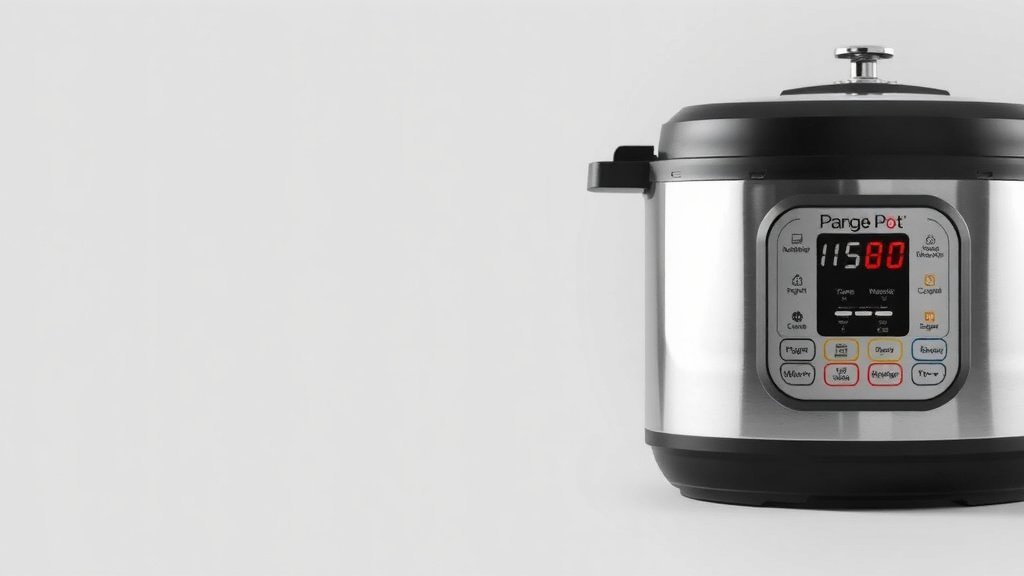
Can You Pressure Can in an Electric Pressure Cooker? A Guide
No, you should not pressure can low-acid foods in an electric pressure cooker, because it cannot hold a steady pressure and temperature the way a true pressure canner does. That means foods like meat, beans, and most vegetables may not get hot enough to kill dangerous bacteria. So while the machine can pressure cook your dinner just fine, it is not built for safe home canning.
Here is the tricky part. Many electric cookers come with a “canning” button, which makes things confusing. We researched what the USDA and university extension experts say, and we found that most of them warn against using these buttons for anything except high-acid foods like jam, pickles, or tomato-based recipes. Want the short version? Keep reading.
Quick TL;DR:
- Electric pressure cookers are not safe for canning low-acid foods like meat and vegetables.
- A real pressure canner is the only USDA-approved way to can those foods.
- Water bath canning in a big pot is still fine for jams, pickles, and tomatoes.
- That “canning” button on your machine is not a green light from safety experts.
- We will show you what you can safely can and what needs the real deal.
Below, we break down everything you need to know about pressure canning with an electric cooker, including what the experts say and your safest options.
Why Electric Pressure Cookers Can’t Do a Pressure Canner’s Job
The short answer comes down to one word: consistency. A true pressure canner holds a steady temperature long enough to push heat deep into every jar. Electric cookers were designed to cook food fast, not to hold a precise temperature for 90 minutes straight.
The Steady Pressure Problem
Think of it like baking bread. Your oven might hit 350 degrees, but if the temperature swings between 300 and 390, your loaf never bakes evenly. Canning works the same way. Safe pressure canning requires the temperature to stay stable the entire processing time.
Electric pressure cookers use sensors and cycles that let temperature drift up and down. We found that university extension researchers have tested several popular models, and the results showed inconsistent temperatures during canning cycles (Colorado State University Extension). That drift matters a lot when you’re trying to kill stubborn bacteria.
There’s also a venting issue. Stove-top canners let you see and control the steam escaping. Electric models seal themselves and manage vents internally, so you can’t monitor venting the way the tested, USDA-approved methods assume you will.
What Testing and Experts Have Found
Here’s the part that surprised us. The National Center for Home Food Preservation, the go-to research hub based at the University of Georgia, states plainly that there are currently no validated methods for pressure canning in electric pressure cookers. Not “risky.” Not “we need more study.” None exist yet.
So when a manufacturer puts a canning button on the machine, what does that even mean? Many experts say those buttons are simply preset cooking programs. They were not built to meet USDA processing standards, and the USDA has not tested them for safety.
We also found that some manufacturers now sell dedicated electric canners that claim to meet USDA guidelines for specific recipes. Those are different machines from a regular multi-cooker, and they come with their own tested recipe lists. Don’t assume your all-in-one cooker is one of them.
The Danger Nobody Wants to Talk About: Botulism
Botulism sounds like something from a history book, but it’s a real risk with home canning. The bacteria that cause it, Clostridium botulinum, thrive in low-oxygen environments, and a sealed jar is exactly that (CDC).
Why Low-Acid Foods Need Real Heat
Low-acid foods like green beans, corn, potatoes, and meat need to reach 240 to 250 degrees to destroy botulism spores. That temperature is only possible under steady, sustained pressure. A watery bath at 212 degrees won’t cut it, and neither will a cooker whose temperature wobbles. Our guide to pressure cooker temperatures explains how hot these machines actually get.
The scary part? Food contaminated with botulinum toxin can look, smell, and taste completely normal. There’s no fizz, no funky odor, no warning label. This is why canning safety isn’t about eyeballing it or hoping for the best. It’s chemistry, and the chemistry has rules.
Symptoms of botulism can include double vision, muscle weakness, and trouble swallowing, and it can be life-threatening (CDC). Every jar you can should be a jar you’d feel safe feeding your family. That’s the whole point, right?
Electric Cooker vs. Stove-Top Pressure Canner at a Glance
We put the two side by side so you can see the gap clearly.
| Feature | Electric Pressure Cooker | Stove-Top Pressure Canner |
|---|---|---|
| Holds steady temperature | Drifts up and down | Stable with monitoring |
| USDA-tested for canning | No | Yes, when using tested methods |
| Manual vent control | Limited or none | Full control of venting |
| Jar capacity | Few small jars | Up to 19 pint jars |
| Suitable for low-acid foods | No | Yes |
Notice the last row. It’s the one that matters most if you’re dreaming of shelves lined with home-canned green beans.
What You Can Safely Make With That Canning Button
Good news! Your electric cooker isn’t useless for canning projects. It just has a narrower lane than the marketing suggests.
Small-Batch High-Acid Recipes
High-acid foods don’t need sustained pressure to be safe, because acidity itself blocks botulism growth. That’s why jams, jellies, pickles, and most tomato products can be processed safely at boiling-water temperatures (National Center for Home Food Preservation).
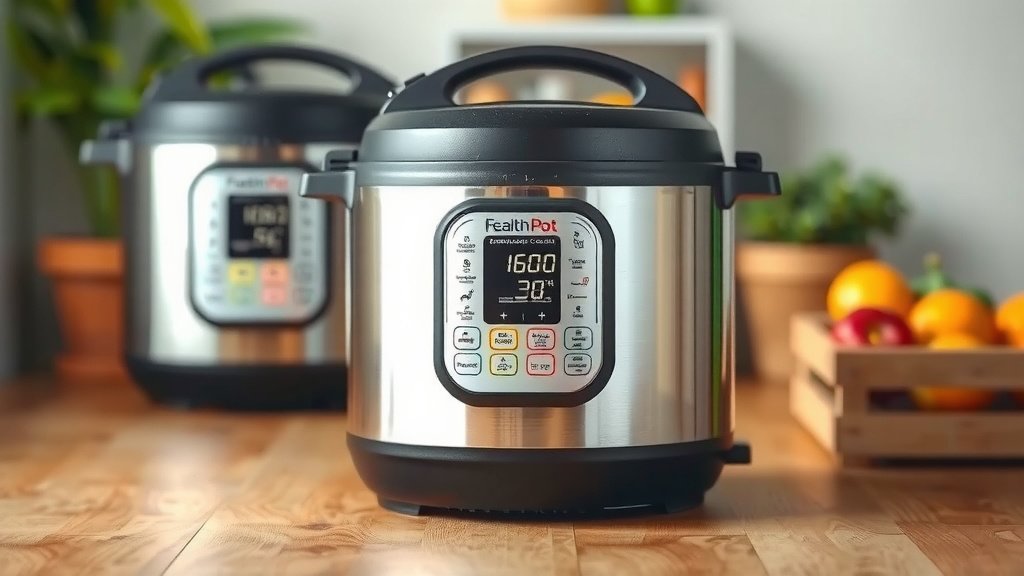
Many experts say the canning button works best for small-batch recipes designed and tested specifically for electric cookers. Think four half-pint jars of strawberry jam, not twenty quarts of chili. Follow the manufacturer’s tested recipes, and stick to them.
Quick Tips for Small-Batch Success
- Use recipes labeled for your specific cooker model.
- Check jar lids seal properly after cooling.
- Refrigerate any jar that fails to seal.
- Never swap in low-acid ingredients from other recipes.
- Store finished jars in the fridge if the method is untested.
One more honest note: some extension agents suggest refrigerating small-batch jams and pickles regardless, since they’re meant to be eaten within weeks. Your fridge is the safest pantry for anything made outside tested methods.
Your Safe Canning Checklist
Before you start any canning project, run through this list. It takes two minutes and saves a lot of worry.
- Know your food’s acidity before choosing a method.
- Low-acid foods? Use a stove-top pressure canner only.
- Follow tested recipes from extension or USDA sources.
- Inspect jars and lids for chips or cracks first.
- Adjust processing time for your elevation. Our guide to high altitude pressure cooking explains why elevation changes processing times.
- When in doubt, throw it out.
That last one is old advice, but it’s gold. If a jar’s lid is bulging, or something looks off, don’t taste-test your way to certainty.
Thinking About Buying a Real Pressure Canner?
If you’re serious about canning meat, beans, or vegetables, a stove-top pressure canner is the worth-it purchase. Modern models have multiple safety locks and gauges, so they’re far less intimidating than your grandmother’s old rattle-and-hiss machine.
We found that extension offices across the country offer affordable classes and even gauge testing for dial-gauge canners (USDA and land-grant universities). A quick call to your local office can set you up with tested recipes and hands-on guidance.
Your electric cooker will still earn its keep every night of the week. It just does it at the dinner table, not on the pantry shelf. And honestly? That division of labor is fair to both of them.
Conclusion
Here’s the bottom line. Your electric pressure cooker is a dinner-making champ, but it’s not a canner. The temperature drift we talked about, plus zero tested methods, makes it a poor fit for low-acid foods like meat, beans, and vegetables. Botulism isn’t a risk worth gambling on, especially when there’s a clear, safe path forward. If jars of shelf-stable food are your goal, we found that a stove-top pressure canner is the only tool the experts stand behind. Your next step? Call your local extension office for tested recipes and a class, and let your electric cooker stick to what it does best: fast weeknight meals.
Frequently Asked Questions
Can I use my Instant Pot to can green beans or meat?
We recommend against it. Green beans and meat are low-acid foods, and they need a steady 240 to 250 degrees to be safe. Electric cookers can’t hold that temperature reliably, and no tested method exists for them. Use a stove-top pressure canner instead.
Why do electric pressure cookers have a canning button if it’s not safe?
That button is just a preset cooking program, not a safety certification. Manufacturers added it because people kept asking for one. Since the USDA hasn’t tested these machines, the button doesn’t mean the machine is approved for canning.
Can I water bath can in my electric pressure cooker instead?
You can, but only for small batches of high-acid foods like jam or pickles, using recipes made for your exact model. Keep in mind the pot is small, so you won’t fit many jars. For anything beyond a few jars, a large stockpot works better.
What about those new electric canners I see in stores?
Those are purpose-built machines, not the same thing as a multi-cooker. Some have been tested against USDA guidelines for specific recipes, and they come with approved recipe lists. If you buy one, follow only the recipes that came with it and nothing else.
How do I tell if a jar of home-canned food has gone bad?
Look for a bulging lid, leaking, or spurting liquid when you open it. Toss anything that smells off, looks cloudy, or shows mold. And remember, botulism toxin has no smell or taste, so when in doubt, throw it out without tasting.
Is it cheaper to can with an electric cooker or a stove-top canner?
A stove-top pressure canner costs more up front, usually a few hundred dollars, but it holds up to 19 pint jars per load. An electric cooker fits only a few small jars, so your time per jar is much higher. For real canning volume, the stove-top canner wins on both time and money.