High Altitude Pressure Cooking: Adjusting for Elevation
High altitude pressure cooking is a modified cooking method designed for cooks living in areas above 1,000 feet. It accounts for the lower atmospheric pressure at higher elevations. This means you may need to adjust your cooking times and pressure settings. Understanding these changes helps you achieve perfect results every time.
At higher altitudes, water boils at a lower temperature. This affects how food cooks in a pressure cooker. You might find your favorite recipes take longer than expected. Many experts recommend increasing cooking times or pressure levels. This ensures your food cooks thoroughly and safely. We found that small adjustments make a big difference.
- High altitude pressure cooking adjusts for thinner air.
- Lower pressure means water boils sooner.
- You might need more cooking time.
- Some recipes require higher pressure settings.
Let’s break down exactly what high altitude pressure cooking means for your kitchen and how you can make it work for you.
Pressure Cooking at Higher Altitudes: What Changes?
So, you live somewhere with thinner air, like Denver or Salt Lake City. You might be wondering if your trusty pressure cooker still works the same. The short answer is: it needs a little adjustment. You see, at higher altitudes, the atmospheric pressure is lower. This affects how things cook, even in a sealed pot.
Think of it like this: water boils at a lower temperature when there’s less pressure pushing down on it. At sea level, water boils at 212°F (100°C). But just a few thousand feet up, that boiling point drops. For instance, at 5,000 feet, water boils around 203°F (95°C). This difference might seem small, but it matters a lot for cooking.
A standard pressure cooker works by trapping steam. This steam builds up pressure, raising the temperature inside the pot well above boiling. This superheated steam cooks food quickly. But if the boiling point is already lower, the pressure-building process changes. Your pressure cooker might not reach the same high temperatures as it would at sea level.
Why Altitude Affects Your Cooking Pot
The main reason for these changes is science, plain and simple. Atmospheric pressure is the force exerted by the air around us. Higher altitudes mean less air above you, so there’s less pressure. This is why things can feel a bit different up high, from breathing easier to how your food cooks.
Boiling Points and Pressure Cookers
As we mentioned, water boils at lower temperatures at high altitudes. This is a core concept to understand. A pressure cooker relies on this principle to work effectively. It forces the liquid inside to get hotter than it normally would. But with a lower starting boiling point, the temperature inside the cooker might not get as high.
We found that this reduction in boiling temperature can mean food takes longer to cook. For example, a recipe that takes 10 minutes at sea level might need 12-15 minutes at 5,000 feet. It’s like the heat has less “oomph” to get the job done. This is why adjustments are necessary to ensure your food is cooked safely and thoroughly.
The Role of PSI in Pressure Cooking
Pressure cookers often measure their pressure in pounds per square inch (PSI). Most modern electric pressure cookers operate at about 10-12 PSI. Stovetop models can often go higher, sometimes up to 15 PSI.
At high altitudes, the ambient pressure is already lower. This means that even when your pressure cooker reaches its target PSI, the overall pressure inside the pot is effectively lower than it would be at sea level. Some older stovetop models might have difficulty reaching the required pressure at all.
Making the Switch: Adjusting Your Recipes
Don’t worry, you don’t have to give up your pressure cooker! With a few simple tweaks, you can continue to enjoy delicious, quickly cooked meals. Many recipes are designed for sea-level cooking, so you’ll need to adapt them.
Adjusting Cooking Times
This is the most common adjustment. Experts generally recommend increasing the cooking time for recipes when you’re at high altitudes. The general guideline we found useful is to add about 5% to the cooking time for every 1,000 feet above sea level.
For example, if you live at 5,000 feet and a recipe calls for 20 minutes of cooking, you would add about 5 minutes (5,000 feet / 1,000 feet * 5% = 25% increase). So, your new cooking time would be around 25 minutes.
It’s always a good idea to check your food for doneness after the adjusted time. You can always cook it a little longer if needed. It’s better to be a bit over than undercooked, especially with meats and beans (National Center for Home Food Preservation).
Adjusting Pressure Settings (Stovetop Models)
For stovetop pressure cookers, adjusting the pressure itself can be trickier. Some older models rely on weighted gauges that might not “jiggle” correctly at higher altitudes due to the lower atmospheric pressure. This can lead to them venting too early, not building enough pressure.
If your stovetop model has a pressure regulator (like a dial or number setting), you might need to consult your manual. Some manuals will provide specific instructions for high-altitude cooking. You may need to increase the pressure setting slightly. For instance, if a recipe calls for 15 PSI, you might need to set it to 17 or 18 PSI if possible.
However, we found that many modern stovetop models are designed to compensate for altitude. Always check your manufacturer’s instructions first. Forcing a cooker to a pressure it’s not designed for can be dangerous.
Electric Pressure Cookers and Altitude
The good news for electric pressure cooker owners is that most newer models are pretty smart. Many have built-in altitude adjustments. You might find settings that allow you to input your elevation or that automatically adjust the cooking time and pressure.
Brands like Instant Pot often have specific guidance for high-altitude users. We checked and found that many electric models operate at a higher internal pressure (like 11.6 PSI) to begin with, which helps them perform better at altitude. If your electric cooker doesn’t have an explicit altitude setting, follow the general cooking time adjustment guidelines we discussed earlier. You’ll likely see good results by simply increasing the cook time.
What Foods Are Most Affected?
Certain foods are more sensitive to the changes in pressure and boiling point than others. Understanding this can help you prioritize adjustments.
Foods Requiring Longer Cooking Times
Foods that typically require long cooking times at sea level, such as dried beans, whole grains, and tougher cuts of meat, will definitely need longer cooking at high altitudes. This is because they need more time to break down and become tender.
We found that dried beans, which can take 20-30 minutes at sea level, might need 30-40 minutes or more at higher elevations. Tougher meats, like beef chuck for stew, will also benefit from extended cooking. Planning for these longer times is key to success.
Quick-Cooking Foods
Foods that cook very quickly, like delicate fish or vegetables, might not need significant adjustments. Their shorter cooking times mean the reduced boiling temperature has less impact. However, it’s still wise to check for doneness a minute or two earlier than the recipe suggests.
A Quick Checklist for High Altitude Pressure Cooking
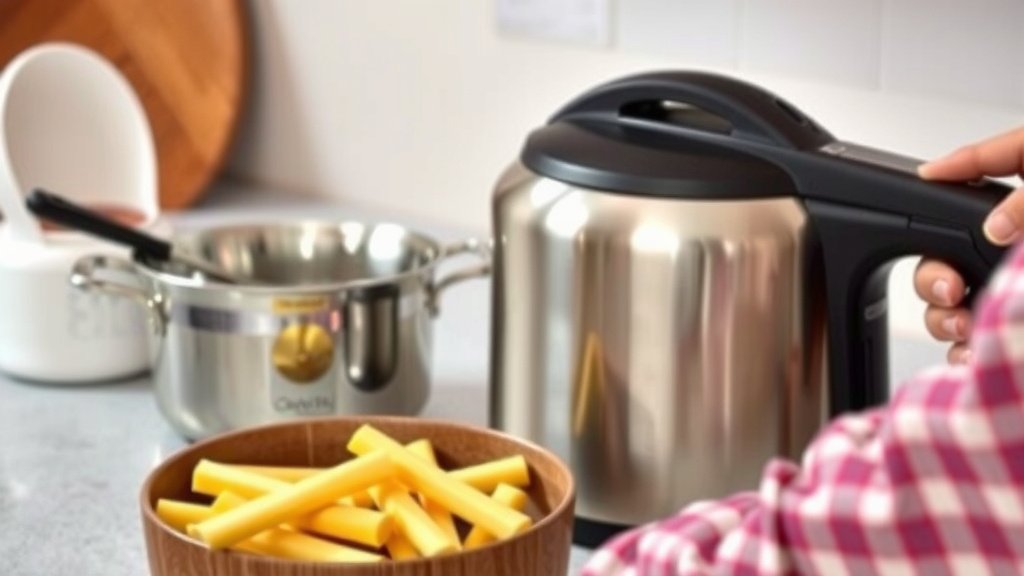
Ready to get cooking? Here’s a quick reminder of what to keep in mind:
- Know your altitude and adjust cooking times accordingly.
- Consult your pressure cooker’s manual for specific instructions.
- When in doubt, increase the cooking time by about 5% per 1,000 feet.
- Check food for doneness before serving.
- For stovetop models, be aware of how the pressure gauge functions at your altitude.
- Electric models may have automatic adjustments; check your settings.
When to Seek Expert Advice
If you’re still unsure or have a particularly tricky recipe, don’t hesitate to look for resources. Many university extension offices offer excellent advice on high-altitude cooking. Websites from reputable culinary schools or organizations like the USDA also provide helpful charts and tips (USDA Complete Guide to Home Canning).
Remember, the goal is to ensure your food is cooked safely and reaches the desired texture. A little knowledge goes a long way when pressure cooking at altitude. You’ve got this!
Conclusion
You’ve learned that high altitude pressure cooking isn’t so different from sea-level cooking, it just needs a few smart adjustments. Lower atmospheric pressure means water boils at a cooler temperature, which can make your food take longer to cook. We found that by increasing cooking times by about 5% for every 1,000 feet you live above sea level, you can get great results. Always check your pressure cooker’s manual, and don’t be afraid to test your food for doneness. Now you’re ready to pressure cook with confidence, no matter your elevation!
Frequently Asked Questions
Do I really need to adjust my pressure cooker at high altitudes?
Yes, you do. The lower atmospheric pressure at higher altitudes changes the boiling point of water. This means your pressure cooker may not reach the same internal temperature as it would at sea level, potentially leading to undercooked food.
How much should I increase my cooking time for high altitude pressure cooking?
A good rule of thumb we found is to add about 5% to your recipe’s cooking time for every 1,000 feet you are above sea level. For example, at 5,000 feet, you’d add roughly 25% to the original cook time.
Are electric pressure cookers different for high altitudes?
Many modern electric pressure cookers have built-in altitude adjustments or are designed to operate at a higher internal pressure. Always check your specific model’s manual to see if it has automatic features or if you need to make manual time adjustments.
What if my stovetop pressure cooker doesn’t seem to be building pressure correctly at altitude?
Older stovetop models with weighted gauges might not function optimally. Your cooker might vent too early. If your model has adjustable pressure settings, consult your manual about increasing the PSI slightly, but never exceed your cooker’s safe limits.
Will all foods require adjustments for high altitude pressure cooking?
Foods that require longer cooking times, like dried beans or tough meats, are most affected. Quick-cooking items like vegetables or fish may not need significant adjustments, but it’s still wise to check them a bit earlier than the recipe states.