Rice Cooker vs Boiling: Which Method is Healthier?
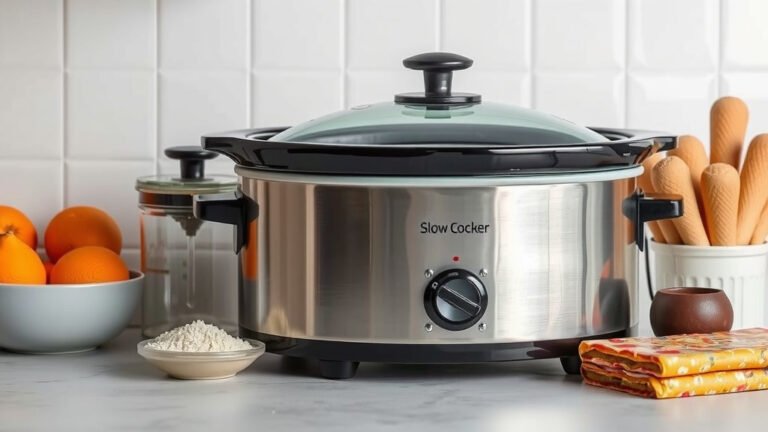
When comparing rice cooker vs boiling, both methods cook rice effectively, but a rice cooker often provides a healthier and more convenient option. Rice cookers tend to retain more nutrients than boiling because they use less water, preventing some water-soluble vitamins from being lost down the drain. This makes the rice cooked in a cooker a bit more nutrient-dense. A rice cooker works by using precise water amounts and steaming to retain nutrients.
Choosing between these two common methods depends on your priorities. If you’re looking for simplicity and consistency, a rice cooker is your best bet. Boiling rice, while straightforward, requires more attention and can result in nutrient loss. We’ve looked into how each method impacts your food and your time.
- Rice cookers are generally healthier.
- They preserve more nutrients than boiling.
- Boiling can lose some vitamins in the water.
- Rice cookers offer more convenience.
Let’s break down the differences between cooking rice in a rice cooker versus boiling it on the stovetop, so you can choose the best method for your needs.
Rice Cooker vs. Boiling: Which Cooking Method is Healthier?
When you’re deciding how to cook your rice, you might wonder if one method offers more health benefits than another. We’ve looked into the science and found that while both methods can give you perfectly cooked rice, a rice cooker often has an edge when it comes to preserving nutrients.
Understanding Nutrient Loss in Rice Cooking
Rice is a good source of vitamins and minerals. Some of these nutrients are water-soluble. This means they can dissolve in water. When you cook rice, especially by boiling, some of these nutrients can end up in the cooking water. This water is often discarded, taking the nutrients with it.
Water-Soluble Vitamins and Minerals
Key nutrients like B vitamins (thiamine, niacin, B6) and some minerals can be lost this way. Think of it like making tea. The flavor and color leach out into the water. Rice can experience a similar process, though to a lesser extent for most nutrients.
The Role of Water Amount
The amount of water used in cooking plays a big part. Boiling typically uses a lot of water, often much more than the rice can absorb. This excess water is drained, and with it go those precious water-soluble nutrients. Researchers have found that excessive water can lead to a greater loss of these vitamins (NCBI).
How a Rice Cooker Preserves Nutrients
A rice cooker works differently. It uses a precise amount of water. The cooker heats the water and then steams the rice until all the liquid is absorbed or evaporated. Because there’s no excess water to drain, fewer nutrients are lost. A rice cooker uses a precise amount of water to cook rice efficiently.
Precise Water-to-Rice Ratio
Rice cookers are designed for a perfect ratio. You add a specific amount of water for the amount of rice. This ensures most of the water is absorbed by the grains. This process is more efficient for retaining nutrients compared to boiling. It’s like cooking pasta al dente versus boiling it until it’s mushy – less water, more retained goodness.
Steaming Action
The steaming function in many rice cookers is also a nutrient saver. Steaming, in general, is known to preserve more vitamins than boiling. This is because the food isn’t submerged in water. The heat is applied through steam, which is gentler.
The Boiling Method: Convenience and Potential Downsides
Boiling rice on the stovetop is a classic method. Many of us learned to cook rice this way. It’s straightforward, but it requires a bit more attention than a rice cooker. You need to monitor the heat and the water level.
Potential for Nutrient Leaching
As we discussed, the main concern with boiling is nutrient loss. If you boil rice using a large amount of water and then drain it, you’re essentially rinsing away some of the vitamins. This might not be a huge difference for calories, but for micronutrients, it can add up over time.
Inconsistency Can Be an Issue
Boiling can also sometimes lead to unevenly cooked rice. Some grains might be perfectly cooked, while others are a bit too firm or too mushy. This inconsistency can be frustrating. A rice cooker offers more consistent results batch after batch.
Comparing Key Factors: Rice Cooker vs. Boiling
Let’s look at a few key areas side-by-side to see how these two methods stack up. It’s not just about health; convenience and the final texture of your rice matter too!
| Feature | Rice Cooker | Boiling (Stovetop) |
|---|---|---|
| Nutrient Retention | High (less water, steaming) | Moderate to Low (water-soluble vitamins can leach) |
| Convenience | Very High (set it and forget it) | Moderate (requires monitoring) |
| Consistency | High (uniform results) | Moderate (can vary) |
| Ease of Use | Very Easy (push a button) | Easy to Moderate (requires attention) |
| Time Commitment | Low (hands-off cooking) | Moderate (active cooking time) |
Flavor and Texture
Some people feel that boiling rice can result in a slightly different flavor or texture. Rice cooked in a cooker often has a slightly chewier, more distinct grain. Boiling, especially if the water isn’t fully absorbed, might lead to a softer, more “fluffy” texture. Both are enjoyable, but they are different experiences.
Making the Healthiest Choice for Your Rice
If your primary goal is to get the most nutritional bang for your buck, a rice cooker is generally the way to go. The method naturally minimizes the loss of important vitamins and minerals that can be leached out during boiling.
Maximizing Nutrients with Boiling
Can you still be healthy when boiling? Absolutely! If you prefer boiling, try using the minimum amount of water necessary for the rice. This reduces the amount of water available for nutrients to leach into. Another option is to use the leftover starchy water for other cooking purposes, like thickening sauces or soups. This way, you’re not completely discarding those nutrients.
The Overall Picture of Health
It’s important to remember that rice is just one part of your diet. The overall healthiness of your meal depends on many factors, including portion size, what you serve the rice with, and your overall eating habits. So, while a rice cooker might offer a slight health advantage, don’t stress too much if you’re boiling your rice.
A Quick Checklist for Healthier Rice Cooking
Here’s a quick rundown to help you choose the best method for you:
- Prioritize Nutrient Retention: Use a rice cooker if you want to keep more vitamins.
- Minimize Water When Boiling: Use just enough water to cook the rice thoroughly.
- Don’t Drain All the Water: If boiling, try to let the rice absorb most of the liquid.
- Consider the Steaming Method: Steaming, like in a rice cooker, is excellent for nutrient preservation.
- Think About Consistency: Rice cookers offer reliable, even results.
- Balance Health and Convenience: Choose the method that fits your lifestyle and goals best.
Conclusion
You’ve seen how both rice cooker and boiling methods prepare your grains. A rice cooker generally wins for health, as it better preserves water-soluble nutrients. This is thanks to its precise water usage and steaming action. Boiling can lead to nutrient loss if excess water is drained away. While boiling is still a perfectly fine way to cook rice, especially if you minimize water usage, the rice cooker offers a healthier and more consistent result with minimal effort. For your next meal, consider your priorities: for maximum nutrients and convenience, your rice cooker is the way to go.
Frequently Asked Questions
Does boiling rice make it less healthy?
Boiling rice itself doesn’t make it unhealthy, but it can lead to a loss of certain water-soluble vitamins in the cooking water. If you drain this water, those nutrients are discarded. Using minimal water for boiling can help retain more of them.
Can I still get nutrients from boiled rice?
Yes, you can! Rice still provides carbohydrates and some minerals even after boiling. If you’re concerned about losing vitamins, try using just enough water for the rice to absorb, or use the leftover starchy water for other dishes.
Is brown rice healthier in a rice cooker or boiled?
Brown rice, like white rice, tends to retain more of its nutrients when cooked in a rice cooker. The outer bran layer of brown rice contains many of its beneficial fibers and nutrients, which are best preserved with less water and steaming.
Are there any health benefits to using the water from boiled rice?
The water left over from boiling rice is starchy and can contain some of the water-soluble vitamins that leached out. It can be used to thicken soups, stews, or sauces, effectively recycling those nutrients back into your meal.
Does the type of rice matter for nutrient loss between methods?
Generally, the method of cooking has a similar impact on most types of rice regarding nutrient loss. However, whole grains like brown rice may have more nutrients in their outer layers, making them potentially more susceptible to loss if boiled with excess water.