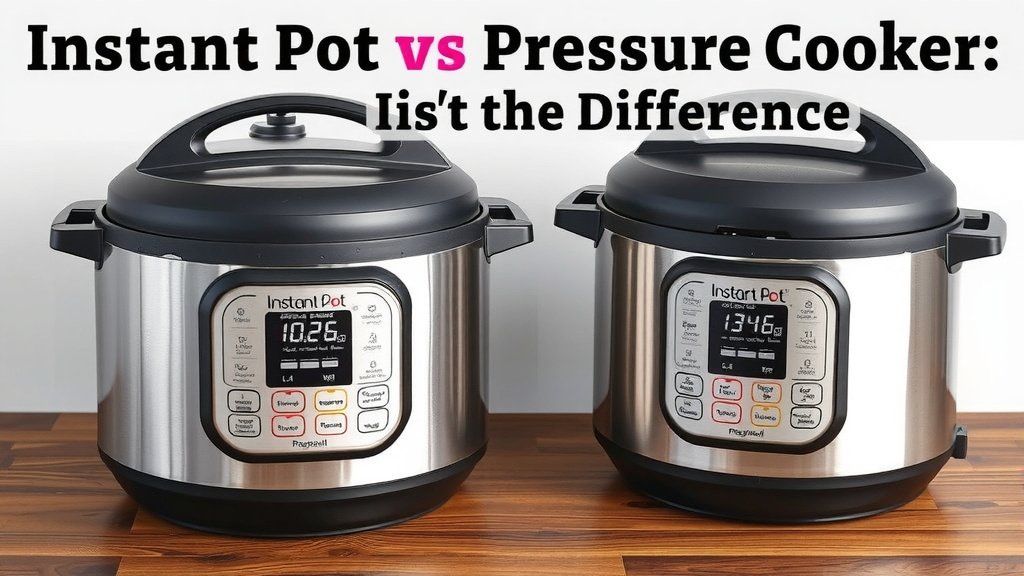
Instant Pot vs Pressure Cooker: What’s the Difference
Yes, an Instant Pot is a pressure cooker, but it’s so much more! Think of it as a multi-cooker that uses high-pressure steam to cook food incredibly fast. You can also use it for slow cooking, sautéing, steaming, and even making yogurt. It’s a versatile kitchen tool.
Many people wonder if their beloved Instant Pot is simply a fancy pressure cooker. We found that while pressure cooking is its star feature, its ability to handle multiple functions makes it a true kitchen workhorse. This is why it’s become so popular in home kitchens across the country.
- Instant Pots ARE pressure cookers.
- They also do much more!
- Think slow cooking, sautéing, and more.
- It’s a versatile appliance.
Let’s dive into what makes your Instant Pot a pressure cooker and how its other features work, so you can get the most out of this amazing appliance.
Understanding Your Instant Pot: More Than Just a Pressure Cooker
So, you’ve got an Instant Pot, and you’re wondering, “Is this just a fancy pressure cooker?” The short answer is yes, it absolutely is a pressure cooker. But that’s like saying a smartphone is just a telephone! Your Instant Pot uses the power of pressure cooking, but it also packs in a whole suite of other cooking methods.
We found that its ability to excel at multiple tasks is what makes it a true kitchen superhero. Think of it as your personal sous chef, ready to tackle almost any cooking challenge you throw its way. Let’s break down how that pressure cooking magic works and what else it can do for you.
How Your Instant Pot Creates Pressure
At its core, an Instant Pot is a high-pressure cooker. It seals in steam, which increases the internal temperature and pressure. This high-pressure environment cooks food much faster than traditional methods. Imagine a regular pot on the stove; it cooks at the boiling point of water, about 212°F (100°C). Your Instant Pot, however, can reach temperatures well above that, typically around 240°F (115°C).
This higher temperature means food cooks significantly quicker. For example, dried beans that might take hours on the stovetop can be tender in under an hour. Tough cuts of meat become fork-tender in a fraction of the time. We found that this speed is one of the most appealing features for busy home cooks.
The Science of Steam and Pressure
How does it achieve this? Your Instant Pot has a secure lid with a sealing ring. When you set it to pressure cook, it heats the liquid inside. As the liquid heats up, it produces steam. Because the lid is sealed, the steam can’t escape. This causes the pressure inside the pot to rise.
The pot’s internal sensors monitor this pressure. Once it reaches a certain level, the heating element reduces its power, maintaining a consistent, high-pressure environment. The pressure release valve is another key component. You can manually release the steam or let the pot release it naturally over time. Many experts suggest that understanding these basic principles helps you feel more confident using your appliance (Cleveland Clinic).
Beyond Pressure: The Many Hats of Your Instant Pot
While pressure cooking is its claim to fame, calling your Instant Pot *just* a pressure cooker would be a huge understatement. It’s designed to be a multi-cooker, meaning it can perform several cooking functions. This versatility is why so many people find it indispensable.
Sauté Function: Get a Head Start
Before you even think about pressure cooking, you can use the Sauté function. This allows you to brown meats or soften vegetables directly in the Instant Pot’s inner pot. It’s incredibly convenient because you can build flavor right where you’ll be cooking the rest of your meal. No extra pan needed!
We found this feature to be a lifesaver for one-pot meals. You can sear chicken thighs, then add your liquid and other ingredients to pressure cook them right in the same pot. This saves on cleanup and ensures all those delicious browned bits get incorporated into your dish. It’s a flavor-building step that many traditional pressure cookers don’t offer.
Slow Cook Function: The Patient Cooker
Yes, your Instant Pot can also function as a slow cooker. While it might not be *exactly* the same as a traditional ceramic slow cooker, it does a very good job. You can set it to low or high heat and let your ingredients simmer for hours, just like you’re used to.
This is great for those days when you want dinner to cook while you’re out. We found that the heating element at the bottom of the pot provides consistent heat. You get that tender, slow-cooked result without needing a separate appliance. It’s a space-saver in your kitchen cabinets!
Steam Function: Gentle Cooking
Need to steam vegetables, fish, or dumplings? The Steam function is perfect for this. You add liquid to the inner pot, place your food in a steamer basket, and let the Instant Pot work its magic. The steam generated cooks your food gently and healthily.
Steaming is a fantastic way to preserve nutrients in your food. Many health organizations recommend steaming as a healthy cooking method. For instance, steaming vegetables can help retain more vitamins compared to boiling (National Institutes of Health).
Yogurt Function: Homemade Goodness
This is one of the more surprising functions for many users! Your Instant Pot can actually make homemade yogurt. It has specific settings to help incubate the milk at the right temperatures for the cultures to do their work. It takes patience, but the results are delicious and often more affordable than store-bought.
We found that making yogurt at home allows you to control the ingredients, like sugar content and fat levels. It’s a wonderful way to experiment with different flavors and types of yogurt.
Other Convenient Features
Depending on your specific Instant Pot model, you might find even more functions. Common ones include:
- Rice Cooker: Perfect fluffy rice every time.
- Porridge: Great for oatmeal and other grains.
- Keep Warm: Automatically keeps food warm after cooking.
- Delay Start: Set your meal to begin cooking later.
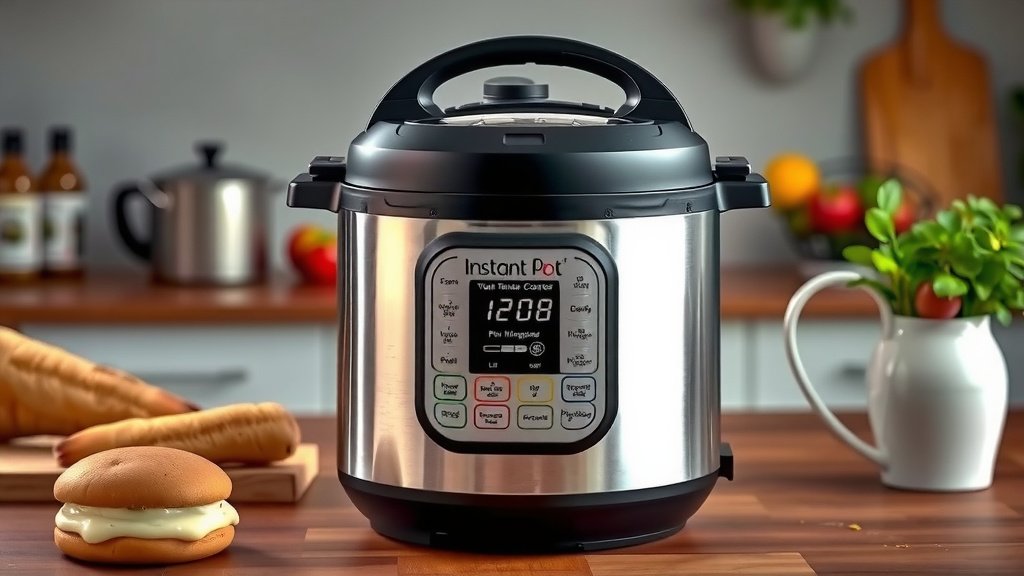
Comparing Traditional vs. Instant Pot Pressure Cooking
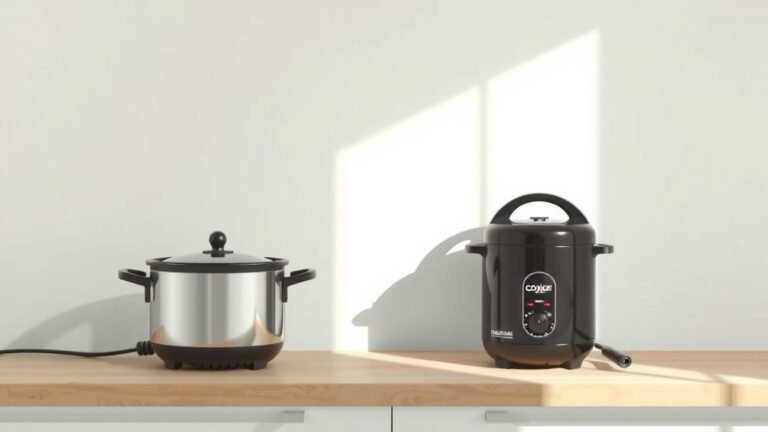
It’s helpful to see how your Instant Pot stacks up against older stovetop pressure cookers. They both achieve the same goal—faster cooking via pressure—but the experience is quite different.
| Feature | Traditional Stovetop Pressure Cooker | Instant Pot Electric Pressure Cooker |
|---|---|---|
| Heat Source | Stovetop burner (gas or electric) | Internal electric heating element |
| Operation | Requires constant monitoring and temperature adjustment | Programmable with preset functions, often hands-off |
| Safety Features | Relies on user vigilance; can be intimidating | Multiple built-in safety mechanisms, pressure regulators, and alerts |
| Versatility | Primarily pressure cooking | Pressure cooking, sauté, slow cook, steam, yogurt, etc. |
| Ease of Use | Can have a steeper learning curve | Generally more user-friendly with digital displays and presets |
We found that the automatic settings and safety features of the Instant Pot make it much more approachable for beginners. Traditional cookers require a bit more attention and experience to use safely and effectively. The electric nature also means you can set it and walk away, which is a huge plus for busy households.
Getting the Most Out of Your Pressure Cooker Features
To truly benefit from your Instant Pot’s capabilities, here are a few tips we’ve gathered:
- Always ensure you have enough liquid for pressure cooking.
- Understand natural pressure release versus quick release.
- Don’t overfill the inner pot; leave room for steam.
- Experiment with different functions for various recipes.
- Read your specific model’s manual for detailed instructions.
Conclusion
So, is your Instant Pot a pressure cooker? Absolutely! But as you’ve seen, it’s so much more than just that. Its ability to build flavor with sauté, cook low and slow, gently steam, and even make yogurt makes it a true kitchen all-star. You’re not just buying a pressure cooker; you’re investing in a versatile appliance that can simplify many of your cooking tasks.
Now that you understand its core functions and diverse capabilities, we encourage you to try a new recipe using a different setting. You’ll be amazed at how much more your Instant Pot can do for you!
Frequently Asked Questions
Can I use my Instant Pot for cooking meals that usually take a long time?
Yes, you can! The pressure cooking function drastically reduces cooking times for foods like tough cuts of meat, dried beans, and grains. You’ll find many recipes that cut down cooking hours to mere minutes.
Is an Instant Pot safer than a stovetop pressure cooker?
We found that Instant Pots generally offer more advanced safety features. They have multiple built-in safety mechanisms, pressure regulators, and automatic shut-offs that make them very user-friendly and safe compared to older stovetop models.
Do I have to use special pots or pans with my Instant Pot?
No, you don’t. Your Instant Pot comes with a stainless steel inner pot that is used for almost all functions, including pressure cooking, sautéing, and slow cooking. You typically don’t need any additional cookware inside it.
Can I sauté ingredients in my Instant Pot before pressure cooking?
Yes, you can! The Sauté function is one of its most popular features. It allows you to brown meats and soften vegetables directly in the pot before switching to pressure cook, which helps build flavor and reduces the need for extra pans.
Is the slow cook function on an Instant Pot the same as a dedicated slow cooker?
While it performs similarly, the Instant Pot’s slow cook function heats primarily from the bottom. Dedicated slow cookers often heat more evenly around the sides. However, we found it works well for most slow cooker recipes and saves counter space.