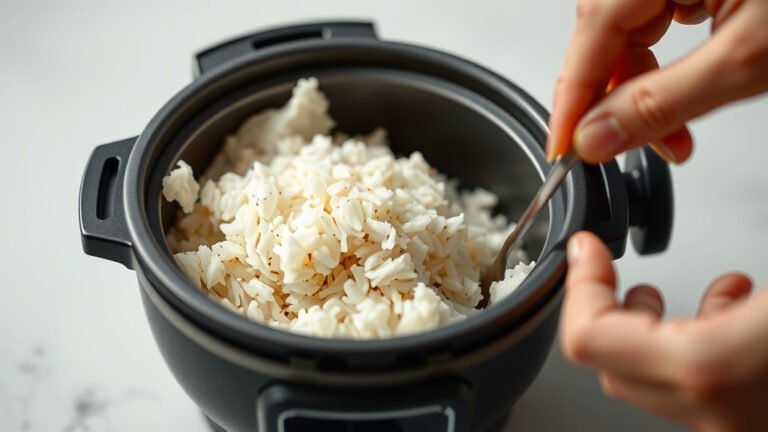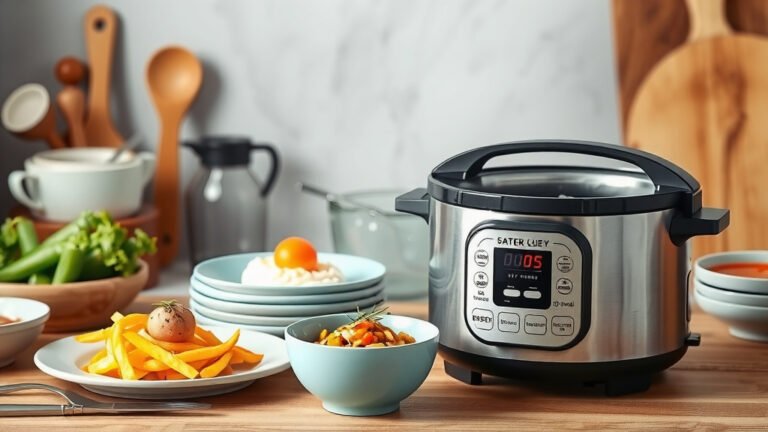
Is Slow Cooking Healthy for You?
Yes, slow cooking is generally a very healthy cooking method. It helps to retain nutrients in your food because the lower temperatures and moist environment prevent vitamins and minerals from escaping. This makes it a fantastic way to prepare wholesome meals. Learn how a slow cooker works to understand its health benefits.
Unlike high-heat methods that can sometimes damage delicate nutrients, slow cooking gently cooks your food over a longer period. This process can also help to make tougher cuts of meat more tender and easier to digest. You’re essentially locking in all the good stuff.
- Slow cooking is a healthy choice.
- It helps preserve nutrients.
- Lower temps mean less nutrient loss.
- Makes food tender and easier to digest.
Let’s dive into why slow cooking is such a great option and how you can make the most of it in your kitchen.
Is Slow Cooking Actually Healthy? Let’s Find Out!
When you think about healthy cooking, does a slow cooker come to mind? You might be surprised. We found that slow cooking is actually a fantastic way to prepare nutritious meals. It’s all about gentle heat and time. This method helps keep the good stuff in your food. You’re not blasting it with high temperatures. Instead, you’re letting it cook slowly and steadily. This preserves more of those important vitamins and minerals.
How Slow Cooking Preserves Nutrients
So, what makes slow cooking so good at keeping nutrients? It boils down to the cooking environment. Your slow cooker creates a moist, steamy atmosphere. This is key for retaining water-soluble vitamins like Vitamin C and B vitamins. High-heat cooking, like frying or broiling, can cause these vitamins to break down or leach out into the cooking liquid. Your slow cooker, on the other hand, acts like a protective hug for your food. It shields these delicate nutrients from destruction.
Vitamin Retention in Slow Cooking
Research shows that slow cooking can be superior for retaining certain vitamins compared to other methods. For example, studies have indicated that vitamin losses are generally lower in slow-cooked dishes. This is especially true for heat-sensitive vitamins. Think of it this way: the longer food is exposed to high heat, the more nutrients it’s likely to lose. Slow cooking minimizes this exposure. You’re essentially locking in the goodness. We found that even tougher cuts of meat become more tender. This also makes them easier for your body to digest and absorb nutrients from.
Minerals and Slow Cooking
It’s not just vitamins that benefit. Minerals are also more likely to stay put in your slow cooker. Minerals like calcium, iron, and zinc are generally more stable under heat. However, some can still be lost if the cooking liquid is discarded. In a slow cooker, the liquid is usually kept with the food. This means the minerals remain available for your body to use. Many guidelines point to this as a major advantage (Harvard School of Public Health). You’re getting more of the essential building blocks for good health.
The Health Benefits Beyond Nutrient Preservation
Beyond just keeping nutrients intact, slow cooking offers other health advantages. It can be a wonderful tool for managing your diet and making healthier choices easier. Let’s explore how.
Making Leaner Meats Tender and Delicious
Tougher, leaner cuts of meat are often less expensive. They can also be a great source of protein. However, they can be dry and unappetizing if not cooked properly. This is where your slow cooker shines! It transforms these cuts into incredibly tender, moist, and flavorful dishes. You won’t need to add as much fat or oil to make them palatable. This can significantly reduce the overall fat content of your meals. You get all the protein without the extra calories from added fats. It’s a win-win for your health and your wallet.
Reducing Added Fats and Sodium
Because slow cooking naturally tenderizes and moistens food, you often need fewer ingredients to make a dish taste great. Do you find yourself adding extra butter or oil to pan-fried chicken? In a slow cooker, the moisture from the meat and vegetables is enough. You can also control the amount of salt you add. Many pre-made sauces and seasonings are loaded with sodium. By cooking from scratch in your slow cooker, you take control of the ingredients. You can use herbs and spices for flavor instead of relying on salt. This is a huge plus for heart health. Many health organizations recommend limiting sodium intake (CDC).
Easier Digestion and Gut Health
Have you ever felt heavy or sluggish after a meal? Slow cooking can help with that. The long, slow cooking process breaks down tough fibers in vegetables and connective tissues in meat. This makes the food easier for your digestive system to process. We found that this gentler digestion can be beneficial for many people. It might even help those with sensitive stomachs. When your body doesn’t have to work as hard to break down food, it can absorb nutrients more effectively. This supports overall gut health.
Tips for Maximizing the Health Benefits of Slow Cooking
Ready to make your slow cooker your new best friend for healthy eating? Here are some simple tips to get the most out of this amazing appliance.
Choose Your Ingredients Wisely
Start with fresh, whole ingredients whenever possible. Load up on colorful vegetables. Think bell peppers, broccoli, carrots, and leafy greens. These add fiber, vitamins, and minerals. Opt for lean protein sources like chicken breast, turkey, fish, beans, and lentils. Trim visible fat from meats before adding them to the pot. This is a simple step that makes a difference.
Be Mindful of Liquids and Sauces
While your slow cooker keeps things moist, you don’t always need to add a lot of extra liquid. Often, the ingredients will release enough moisture on their own. If you’re making a soup or stew, use low-sodium broth or water. Be cautious with pre-made sauces. They can be high in sugar, sodium, and unhealthy fats. Consider making your own simple sauce using herbs, spices, and a bit of tomato paste or pureed vegetables.
Control Your Portions
Even healthy foods should be enjoyed in moderation. Slow cookers can often make large batches. This is great for meal prep, but be mindful of how much you’re serving yourself. Using smaller bowls and plates can help with portion control. We found that this simple trick helps you enjoy your meal without overdoing it.
Don’t Forget Fiber!
Fiber is essential for good digestion and feeling full. Many slow cooker recipes can be easily boosted with fiber. Add beans, lentils, or whole grains like barley. Increase the amount of non-starchy vegetables. These add bulk and nutrients without adding many calories. This helps create a more balanced and satisfying meal (Mayo Clinic).
Smart Cooking Checklist for Your Slow Cooker:
- Choose lean proteins and trim visible fat.
- Load up on a variety of colorful vegetables.
- Use low-sodium broths or water for liquids.
- Flavor with herbs and spices instead of excess salt.
- Opt for whole grains and legumes for added fiber.
- Plan for portion control, even with healthy meals.
Conclusion
As we’ve seen, your slow cooker is a fantastic ally for healthy eating. It truly excels at preserving nutrients thanks to its gentle, moist environment. This method also helps make leaner meats more tender and reduces the need for added fats and sodium. You can easily boost fiber intake and improve digestion with smart ingredient choices. Ready to embrace these benefits? Your next step is to plan one healthy slow cooker meal for the upcoming week and give it a try!
Frequently Asked Questions
Does slow cooking make food mushy and less nutritious?
No, not necessarily. While slow cooking breaks down tougher fibers, it actually helps preserve more water-soluble vitamins than high-heat methods. Choosing the right ingredients and cooking times helps maintain texture. You get tender food with most of its nutritional value intact.
Is it safe to leave my slow cooker on all day while I’m at work?
Yes, modern slow cookers are designed for this. Ensure your appliance is in good working order and placed on a stable, heat-resistant surface. Always fill it to the recommended level and make sure it reaches a safe temperature to prevent bacterial growth.
Can I slow cook frozen meat, or should I thaw it first?
It’s generally recommended to thaw meat before slow cooking. Cooking frozen meat can significantly increase the cooking time needed to reach a safe internal temperature. This extended time can sometimes lead to overcooked food, especially vegetables.
Are slow cooker recipes always healthier than other methods?
Slow cooking itself is a healthy method, but the overall healthiness depends on your ingredients. Recipes loaded with high-fat meats, excessive salt, sugar, or creamy sauces might not be the healthiest. Focus on lean proteins, plenty of vegetables, and natural flavorings.
Does the type of slow cooker material (ceramic vs. stainless steel) affect health benefits?
The primary health benefits come from the cooking method itself, not the material. Most modern slow cookers are safe. Some people prefer ceramic inserts for even heating, while stainless steel offers durability. Ensure any cookware material is food-grade and FDA-approved.