Pressure Cooker Valve Direction: What You Need to Know
The valve on your pressure cooker should generally face **upwards or slightly towards the handle**. This alignment is key for proper steam release and safe operation. You’ll want to ensure it’s securely in place before cooking begins.
Understanding how your pressure cooker works is important for **food safety and delicious results**. The direction of the valve affects how pressure builds and escapes. We’ve researched this to help you cook with confidence.
- Valve points up or toward the handle.
- Ensures safe steam release.
- Check before every use.
- Crucial for proper cooking.
Below, we’ll break down exactly how to orient your pressure cooker valve and what to look out for to make sure everything is working correctly.
Understanding Your Pressure Cooker Valve Direction
So, you’re ready to put your pressure cooker to work, but a quick question pops up: which way should that little valve be facing? It’s a simple question, but getting it right is **super important** for safety and cooking success. We’ve looked into it, and generally, you’ll want your pressure cooker valve to point **upwards or slightly towards the handle**.
This simple adjustment helps ensure that steam escapes safely and efficiently. Think of it like a tiny directional signal for the steam. It guides the hot vapor away from you and your kitchen workspace. It’s a small detail that makes a big difference in how your pressure cooker performs. Let’s dive a little deeper into why this matters so much.
The Function of Your Pressure Cooker Valve
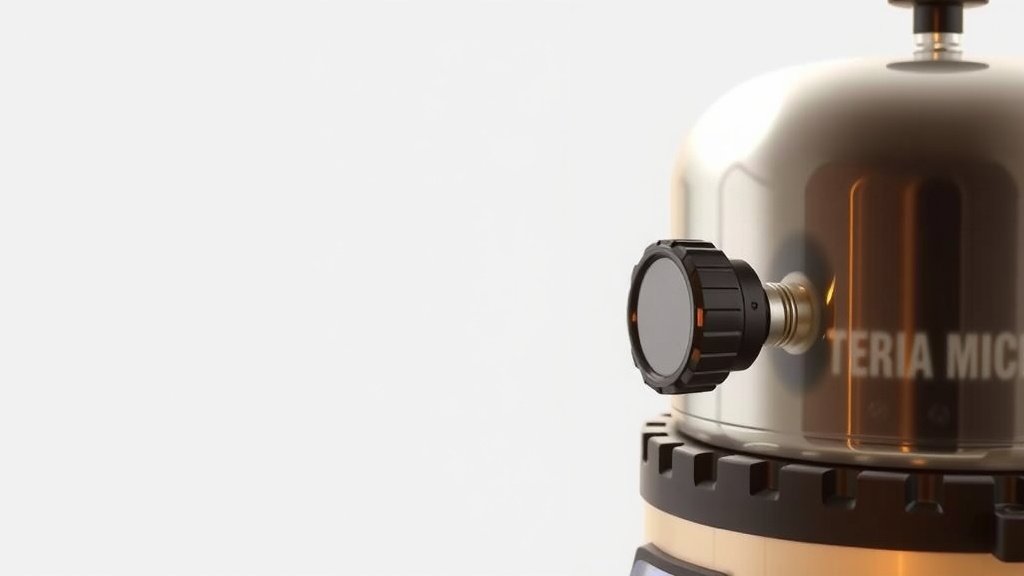
Your pressure cooker valve, often called the **pressure regulator or vent pipe**, is the gateway for steam. When you heat your cooker, water inside turns to steam. This steam needs a place to go to build up the necessary pressure. The valve controls this steam release. Your pressure cooker valve, often called the “pressure regulator or vent pipe,” is the gateway for steam, and understanding its function is key.
How Pressure Builds Safely
A pressure cooker works by trapping steam. This steam increases the internal pressure. Higher pressure means a higher cooking temperature. This allows food to cook much faster than traditional methods. The valve’s job is to allow a controlled release of excess steam. It keeps the pressure within safe limits.
Why Direction Matters
When the valve is oriented correctly, it directs the escaping steam **away from potential hazards**. This usually means away from your face, hands, or any flammable materials. If the valve were pointed directly at you, it could be a safety risk. It could scald you or cause discomfort. Pointing it upwards or towards the handle, which is often farther away from you, is the **safest bet**.
Identifying Your Pressure Cooker’s Valve Type
Not all pressure cookers are created equal. You might have a newer electric model or a classic stovetop version. The valve design can vary. Knowing what you have helps you understand its specific needs.
Stovetop Pressure Cookers
These are the traditional models. They often have a distinct valve assembly that sits on top. You might see a weighted piece or a spring-loaded mechanism. These are typically designed to sit in a specific way to vent steam correctly. Always refer to your owner’s manual.
Electric Pressure Cookers
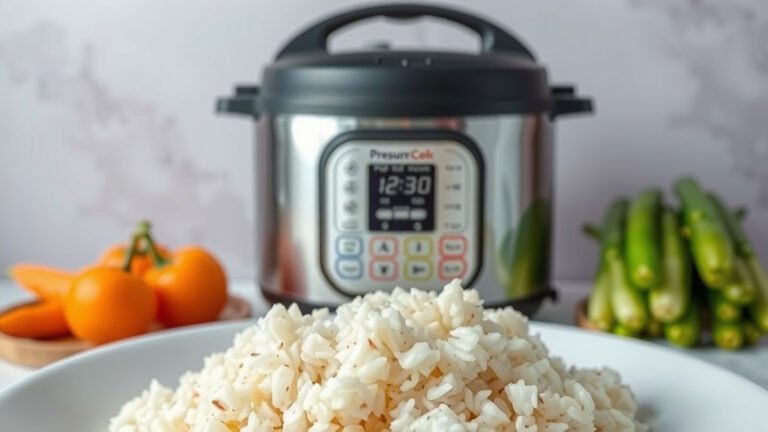
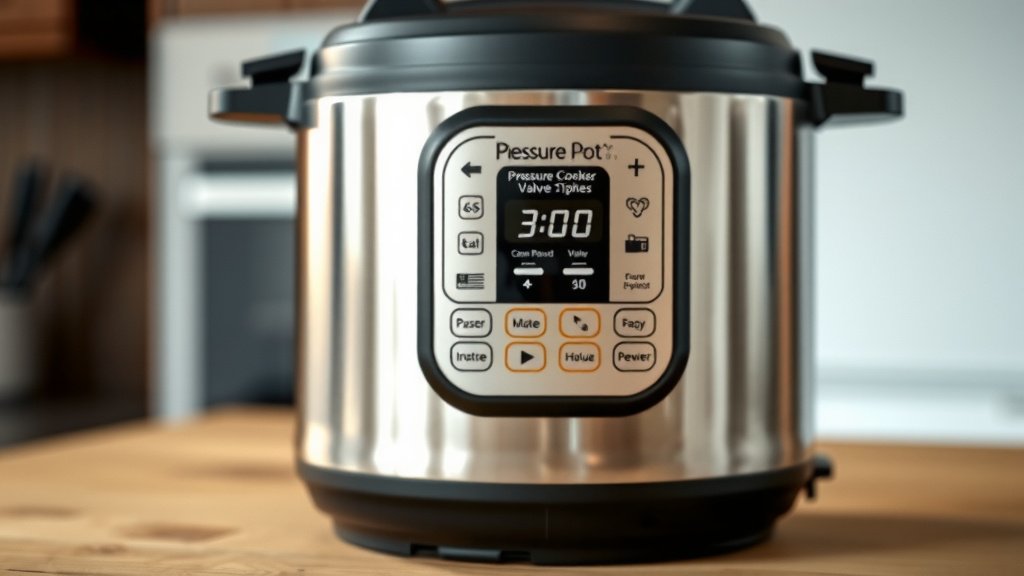
Electric models, like the popular Instant Pot, often have a steam release valve located on the lid. This valve might be a simple knob or a lever. It usually has clear markings indicating the “venting” position. When you’re done cooking, you’ll twist or flip this to release the pressure.
The “Venting” and “Sealing” Positions
For electric models, especially, this valve often has two main positions: “Venting” and “Sealing.” You’ll ensure it’s in the “Venting” position for steam release. The “Sealing” position is for when you want pressure to build up. Always double-check these settings before you begin cooking.
Step-by-Step: Setting Your Valve Correctly
Getting the valve right is a simple, quick step. It’s part of the pre-cooking routine. Think of it like checking your car mirrors before you drive.
Consult Your Manual First
This is the golden rule! Every pressure cooker is a bit different. Your **owner’s manual** is the ultimate guide. It will show you precisely how your specific model’s valve should be positioned for cooking and for releasing steam. If you’ve lost it, a quick search online for your model number should help you find a digital copy.
Visual Check for Stovetop Models
For stovetop models, look at the vent pipe on top. The valve piece, whether it’s a weight or a spring mechanism, typically sits on this pipe. You want it to be balanced and able to move freely, but oriented so steam goes up and away. Many are designed to have a natural resting position that points upwards.
Confirming the Setting on Electric Models
Electric pressure cookers usually have a clear indicator on the steam release valve. It might say “Venting” or show a symbol. You’ll want to ensure the valve is aligned with the **”Venting” indicator** when you intend to release pressure. For cooking, you’d set it to “Sealing.”
Common Pitfalls to Avoid
It’s easy to overlook small details when you’re eager to get cooking. But a couple of common mistakes can lead to less-than-ideal results or even safety issues.
Valve Obstructed?
Make sure nothing is blocking the valve. Food debris can get stuck. This can prevent steam from escaping properly. A blocked valve can lead to **over-pressurization**. Always clean your valve after each use.
Incorrect Venting Direction?
As we discussed, the direction matters. If your valve is pointing towards a wall, cabinet, or especially towards you, **reposition it**. Safety first!
Misinterpreting “Venting” vs. “Sealing”
This is a big one for electric models. If you set it to “Sealing” when you mean to vent, your cooker won’t depressurize. If you set it to “Venting” when you need pressure to build, your food won’t cook correctly. Always **double-check the markings**.
A Quick Checklist for Valve Success
Before you power up or place your pressure cooker on the stove, run through this quick checklist:
- Manual Review: Did you quickly glance at your manual for your specific model?
- Valve Cleanliness: Is the valve free of any food particles or blockages?
- Proper Orientation: Is the valve pointing upwards or safely away from you?
- Electric Setting Check: If electric, is the valve set to “Venting” for release or “Sealing” for cooking?
- Secure Fit: Does the valve seem securely attached and not wobbly?
- Clear Path: Is there a clear path for steam to escape upwards without hitting anything?
Conclusion
You’ve learned that the direction of your pressure cooker valve is a small but mighty detail. Keeping it pointed upwards or towards the handle ensures steam escapes safely. This simple step is essential for preventing burns and ensuring your meals cook perfectly. Always remember to check your manual for your specific model. Before you cook, give your valve a quick clean and a visual check. You’re now ready to pressure cook with more confidence and peace of mind!
Frequently Asked Questions
What if my pressure cooker valve is loose?
If your pressure cooker valve feels loose, stop immediately. A loose valve might not seal properly or could detach during cooking, posing a safety hazard. Consult your owner’s manual or contact the manufacturer for guidance on how to tighten or replace it.
Can I use my pressure cooker if the valve is clogged?
No, never use a pressure cooker with a clogged valve. A blockage prevents steam from escaping, which can lead to dangerous over-pressurization. Always clean the valve thoroughly after each use to prevent food particles from accumulating.
Does the valve direction matter for electric pressure cookers?
Yes, the valve direction is critical for electric pressure cookers, too. These often have specific “venting” and “sealing” positions. Ensure the valve is in the “venting” position when you intend to release pressure, directing steam away from you and your surroundings.
What happens if the valve points down while cooking?
If your pressure cooker valve points downwards while cooking, it’s not ideal for safety. Steam could be directed towards your stovetop or countertop, and in some cases, towards you. Reposition it so it faces upwards or safely away from you and your kitchen surfaces.
How do I know if my valve is working correctly?
You’ll know your valve is working correctly if steam releases steadily and audibly when it’s supposed to. For stovetop models, the weighted regulator should jiggle or hiss. For electric models, the steam should escape when set to the “venting” position. If you hear unusual noises or no steam is released, check your manual or consult a professional.