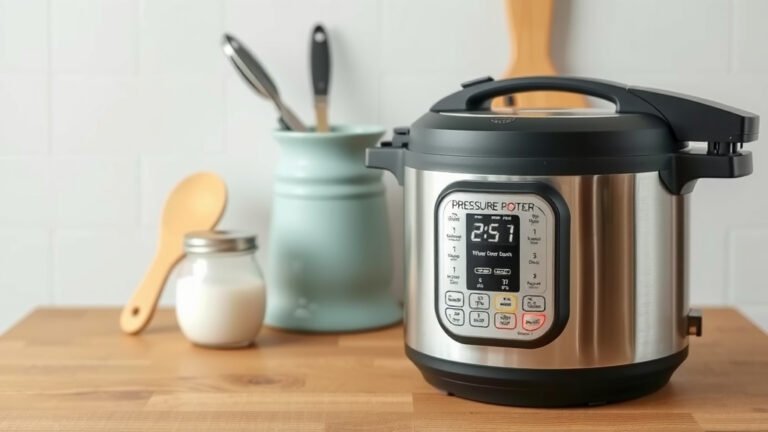
Can You Put Cold Water on a Hot Pressure Cooker? Safety Tips
No, you should not put cold water on a hot pressure cooker. Doing this can cause thermal shock, which may warp the pot, damage the seals, or even crack the metal. In the worst case, sudden temperature changes can make the lid lock or release steam in ways you really don’t want in your kitchen.
So what do you do when dinner’s ready but your recipe needs to cool things down fast? We dug into what manufacturers and kitchen safety experts say, and we found there are safe cooling methods that work just as well. Many experts say the best move is simply letting the cooker sit and release pressure on its own, or using a controlled quick-release method instead. Trust us, your patience here pays off.
- Never run cold water over a hot, pressurized cooker.
- Sudden temperature changes can warp the pot or damage the lid and seals.
- Natural pressure release is the safest way to cool it down.
- Some cookers allow a controlled quick release, but check your manual first.
- Always make sure pressure is fully gone before opening the lid.
Below, we break down exactly why this rule matters, what happens if you break it, and the safe ways to cool your pressure cooker without ruining it or your dinner.
Why Cold Water and a Hot Pressure Cooker Don’t Mix
The short answer: cold water hits hot metal and the metal contracts fast. That sudden shrinkage is called thermal shock, and it’s rough on any pot, but it’s especially rough on a pressure cooker. Why? Because your cooker is built to hold pressure with a tight seal. Anything that warps the metal or stresses that seal puts the whole system at risk (Mayo Clinic warns about sudden temperature swings and cookware in general for this reason).
What Thermal Shock Does to Your Cooker
Think of it like pouring ice water into a hot glass from the oven. It can crack. Your pressure cooker’s base, lid, and gasket all expand when heated. Cooling them unevenly makes parts shrink at different rates.
What does that mean for you? We found that warped bases are one of the most common results. A warped base won’t sit flat, which means uneven heating and failed seals down the road. Gaskets can harden or crack early. Some aluminum models can even develop stress fractures, and aluminum doesn’t bend back.
- Warped base — the pot wobbles on the burner and heats unevenly.
- Damaged gasket — steam leaks, pressure builds wrong, food undercooks.
- Stressed lid lock — the locking mechanism may misalign over time.
- Electrical damage — for electric models, water near the housing is its own hazard.
The Burn Risk You Might Not Expect
Here’s the part most people miss. Cooling the pot too fast can drop the internal temperature before the pressure drops. That pressure imbalance is dangerous.
If the inside pressure is higher than the air outside, the contents are still boiling hot — often above 212°F. Open the lid too soon and you get a burst of scalding steam and foamy spray. The CDC lists scald burns as one of the most common kitchen injuries, and pressure cooker steam is far hotter than a normal pot’s steam. Nobody wants a face full of chili, right?
Safe Ways to Bring the Pressure Down
Good news: you have two main options, and both are easy. They’re called natural release and quick release. Many experts say choosing between them comes down to what you’re cooking and how hungry you are.
Natural Pressure Release
This is the “do nothing” method, and honestly, it’s the safest. You simply turn off the heat and walk away. The cooker cools on its own while the pressure drops gradually. No steam spraying, no metal stress, no drama.
There’s a bonus, too. Natural release keeps cooking your food gently as the pressure falls. We found it works beautifully for soups, stews, beans, and big cuts of meat. It also keeps broths from boiling up through the valve.
When Natural Release Works Best
- Soups, broths, and anything foamy or starchy.
- Dried beans and lentils, which spit foam.
- Large roasts and whole chickens.
- Any time you’re not in a rush.
Quick Pressure Release
Quick release means you flip or press the valve and let steam escape on purpose. It’s fast — often under two minutes — but it’s loud and steamy, so keep your hands and face clear.
On electric cookers, there’s usually a switch or button on top. On stovetop models, you nudge the valve with a long spoon. Never use your bare hand. The steam coming out is hot enough to scald skin instantly (Cleveland Clinic burn care guidance applies here: steam burns run deep).
When Quick Release Makes Sense
- Tender vegetables, eggs, and seafood that overcook easily.
- Pasta and quick-cooking grains.
- Recipes where you add delicate ingredients at the end.
A Note on Cold Water and Stovetop Models
Here’s a nuance worth knowing. Some older stovetop cooker manuals mention running tepid water over the lid to speed things up — but only after the pressure indicator shows zero. We found modern manufacturers, especially for electric models, have dropped this advice entirely. Newer seals and safety sensors don’t like sudden temperature swings.
So before you ever try it, check your manual. If your brand doesn’t say it’s okay, treat cold water as off-limits. And tepid water is the ceiling — never ice-cold water, never ice packs, never a blast from the faucet on full cold.
How Long Each Method Takes
| Method | Typical Time | Best For | Risk Level |
|---|---|---|---|
| Natural release | 10–30 minutes | Stews, beans, roasts, broths | Lowest |
| Quick release | 1–2 minutes | Veggies, eggs, seafood | Low, with care |
| Combination (10 min natural, then quick) | 10–12 minutes | Most everyday recipes | Low |
| Cold water on hot cooker | Under a minute | Nothing — skip it | High |
Notice that combo method in the middle? It’s a favorite. You let the pressure fall most of the way naturally, then finish with a quick release. Many experts say it gives you speed and safety in one move.

Your Quick Checklist Before You Open the Lid
- Pressure indicator reads zero (or the float valve is fully down).
- No hissing sounds coming from the valve.
- Steam released away from cabinets, curtains, and your face.
- Lid turns or opens smoothly — never force it.
- Tilt the lid so steam vents away from you.
- Manual checked if you’re trying a new trick.
What If You Already Cooled It the Wrong Way?
Don’t panic. One round of cold water probably didn’t destroy your cooker, but don’t just move on like nothing happened, either.
First, inspect the base. Set it on a flat counter and check for rocking or gaps. Next, look at the gasket for cracks, stiff spots, or warping. Then run a test: fill the pot halfway with water, seal it, and bring it up to pressure. If it seals fine and holds steady, you’re likely in the clear.
If the lid sticks, the valve hisses oddly, or the base wobbles, stop using it. A compromised pressure cooker isn’t a gamble worth taking. Replacing a gasket is cheap. A trip to the burn unit is not.
Conclusion
Cold water and a hot pressure cooker simply don’t belong together. We found that the rush to save a few minutes just isn’t worth a warped base, a ruined gasket, or a face full of scalding steam. Instead, let your cooker do the work with a natural release, finish with a careful quick release, or use the combo method when you’re short on time. Your dinner will still be hot, and your cooker will thank you with years of reliable service. Your next step? Pull out your manual tonight and confirm which release method your model approves — before you need it in a hurry.
Frequently Asked Questions
Can I put my electric pressure cooker’s inner pot in the sink to cool it?
You can, but only after you’ve removed the pot from the housing and the pressure has fully dropped. We found that dunking a hot inner pot into cold sink water can still cause thermal shock, especially with nonstick coatings. Let it sit on a trivet for a few minutes first, and your pot will last much longer.
Is it safe to run cold water over just the lid of a stovetop pressure cooker?
Only if your manual explicitly says it’s okay, and only with tepid — not cold — water after pressure reads zero. Some older stovetop models allowed this trick, but newer seals and sensors don’t handle temperature swings well. When in doubt, skip it and use a quick release instead.
What happens if I open the lid before all the pressure is gone?
The lid will resist opening on most modern models, which is a good thing. On older cookers without those locks, you’d get a violent burst of steam and boiling food spraying outward. That’s how serious scald burns happen, so always wait for the pressure indicator to read zero.
Does cooling a pressure cooker too fast ruin the food inside?
It can. Rapid cooling cuts short the carryover cooking that happens during natural release, which matters for beans, roasts, and tough cuts of meat. We found dishes like these often turn out tougher or undercooked when the temperature drops too fast. Natural release isn’t just safer — it usually tastes better, too.
How do I know if my pressure cooker gasket is damaged and needs replacing?
Look for cracks, stiff spots, stretching, or a gasket that no longer feels soft and pliable. Another telltale sign is steam leaking around the lid during normal cooking. We found most manufacturers sell replacement gaskets cheaply, and swapping one takes just a few minutes.