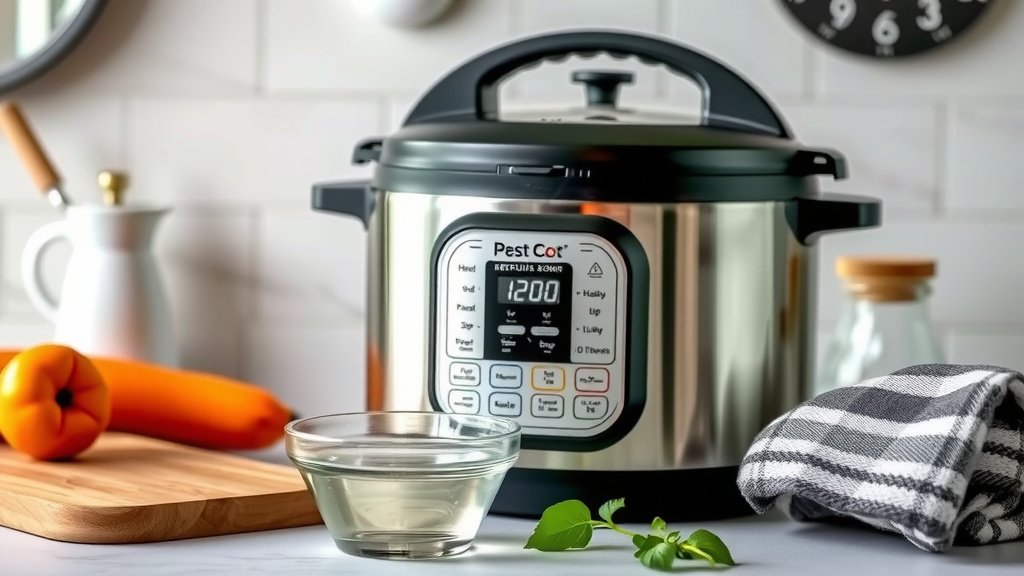
When to Release Pressure on a Cooker: A Quick Guide
You should release pressure on a pressure cooker only after it has naturally depressurized or after you have safely performed a quick release. Attempting to open a pressurized cooker can cause a violent eruption of hot food and steam, leading to serious burns and damage to your cooker. Always follow your cooker’s specific instructions for pressure release.
Understanding when and how to release pressure is key to safe and successful pressure cooking. Rushing the process is one of the most common mistakes home cooks make. We found that patience during the cooling process is just as important as the cooking time itself for achieving tender, perfectly cooked meals.
- Pressure cookers need time to release steam.
- Natural release is often safest for certain foods.
- Quick release is faster but requires caution.
- Always check your manual for your model’s specifics.
- Never force open a cooker that is still pressurized.
Below, we’ll walk you through the different methods for releasing pressure and when it’s best to use each one, so your cooking adventures are always safe and delicious.
Understanding Pressure Cooker Depressurization
Knowing when to release pressure on your cooker is just as important as the cooking time itself. Releasing pressure too soon can be dangerous. It can also lead to poorly cooked food. We found that patience during this final stage leads to much better results. Your pressure cooker needs time to let go of all that built-up steam safely.
The Two Main Methods of Pressure Release
There are two primary ways your pressure cooker will lose pressure. Each method is suited for different types of recipes. Understanding the difference helps you choose the right approach for your meal. This ensures both safety and optimal cooking outcomes. Many recipes will specify which method to use.
Natural Pressure Release (NPR)
Natural pressure release is like letting your cooker cool down on its own. You simply turn off the heat. Then, you let the cooker sit undisturbed. The pressure will gradually decrease as the cooker and its contents cool. This process can take anywhere from 10 to 30 minutes, sometimes longer. It depends on the amount of food and liquid inside.
When to Use Natural Release
This method is generally recommended for foods that can become tough. Think of tough cuts of meat like roasts or brisket. Foods like beans, grains, and even some whole poultry benefit greatly from NPR. We found that this slow release allows the fibers in meats to relax. It also helps liquids redistribute evenly. This results in more tender and moist food. It’s also often preferred for recipes that contain a lot of liquid, as it helps prevent siphoning or sputtering.
What Happens During Natural Release?
As the cooker cools, the steam inside condenses. This condensation reduces the internal pressure. The float valve, which pops up when the cooker is pressurized, will drop back down. You’ll know it’s safe to open when the float valve is completely down. Many experts suggest checking the valve before attempting to open. This ensures all pressure is gone (Cleveland Clinic).
Quick Pressure Release (QPR)
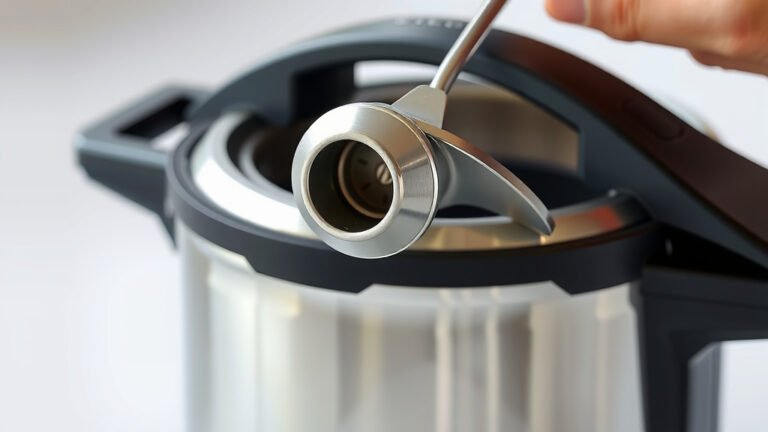
Quick pressure release is the opposite of natural release. It’s a much faster way to vent the steam. Most electric pressure cookers have a steam release valve on the lid. You’ll manually move this valve to the “venting” or “quick release” position. For stovetop models, you might use a utensil to carefully push the valve. Be very careful; the steam is extremely hot.
When to Use Quick Release
QPR is ideal for foods that cook quickly and can become mushy if left to sit. This includes delicate vegetables, fish, or seafood. It’s also useful when you need to stop the cooking process immediately. If you’ve accidentally overcooked something slightly, a quick release can prevent further cooking. We found that using QPR for vegetables helps them retain their vibrant color and a bit of crunch. It’s a real time-saver when you’re in a hurry.
Safety Precautions for Quick Release
You must be cautious when using quick release. Always keep your hands and face away from the steam vent. The steam can cause severe burns. Many pressure cooker manuals advise against using QPR for foods that are very frothy or foamy. This includes things like oatmeal, barley, or pasta. These foods can clog the vent or sputter out of the cooker. If you see any sputtering, stop the quick release and switch to natural release. Always follow your cooker’s specific instructions for safe operation.
| Method | Best For | Time Involved | Caution |
|---|---|---|---|
| Natural Release (NPR) | Tough meats, beans, grains, whole poultry, liquid-heavy dishes | 10-30+ minutes | None, but requires patience |
| Quick Release (QPR) | Delicate vegetables, fish, seafood, recipes needing immediate stop | Under 1 minute | Hot steam, potential for sputtering with frothy foods |
The Importance of the Float Valve
Your pressure cooker has a safety feature called a float valve. This small metal pin pops up when the cooker reaches pressure. It stays up as long as there is pressure inside. You should never try to force the lid open if the float valve is still up. It’s your cooker’s way of telling you it’s not ready to be opened. We found that trusting the float valve is a key safety habit.
When in Doubt, Choose Natural Release
If a recipe doesn’t specify the release method, or if you’re unsure, natural release is almost always the safest bet. It gives the cooker plenty of time to depressurize. It also tends to produce more tender results. Many home cooks stick to natural release for most of their cooking. This simple rule can help prevent accidents. It also ensures consistently good food (FDA recommendations).
What if My Cooker Depressurizes Too Quickly?
If your cooker seems to lose pressure very quickly during natural release, don’t panic. Sometimes, if there’s very little liquid or the cooker is very hot, it might cool down faster. The key is still waiting for that float valve to drop. If it drops immediately and your food isn’t cooked, you may need to add more liquid and cook for a bit longer. This is a good reminder to always ensure you have enough liquid as per the recipe. If your cooker seems to lose pressure quickly, ensure you have enough liquid as per the recipe.
Troubleshooting Common Release Issues
Sometimes things don’t go exactly as planned. If you’re using quick release and the valve starts sputtering a lot of food, stop. Immediately switch to natural release. This is more common with things like oatmeal or pasta. If the float valve seems stuck, do NOT force it. Try gently rocking the cooker (if it’s a stovetop model) or letting it sit longer. Sometimes, a bit of trapped steam is the culprit. Never try to pry the lid open.
Here’s a quick checklist to remember before opening your cooker:
- Has enough time passed for natural release?
- Is the float valve completely down?
- Is there no steam escaping from the lid edges?
- Are you keeping your face and hands away from the vent?
- Does your recipe specify a particular release method?
- Have you checked your cooker’s manual for specific instructions?
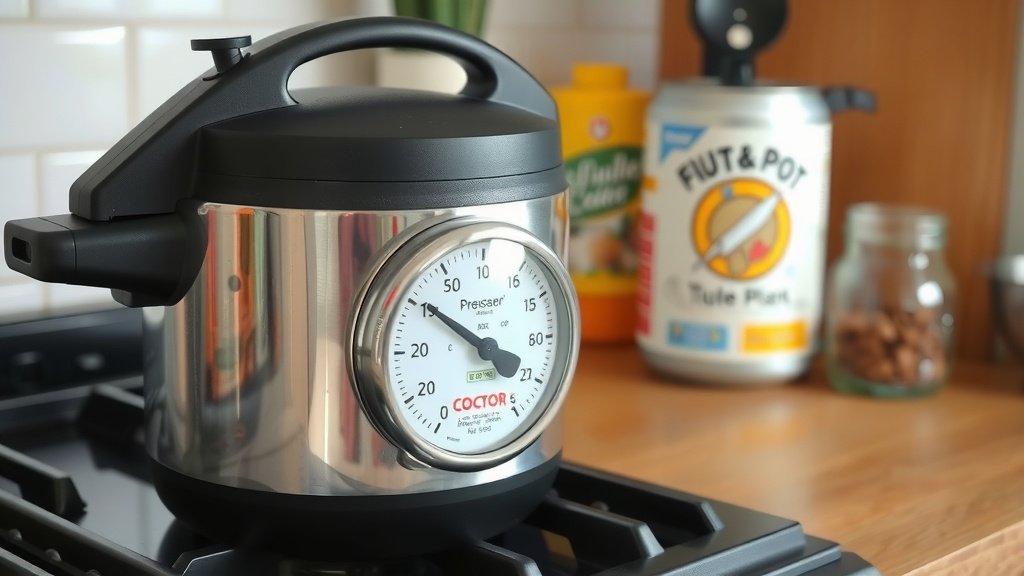
Conclusion
You’ve learned the crucial difference between natural and quick pressure release. Remember, patience is your best friend. Natural release is usually the safest and yields the most tender results. Quick release offers speed but requires caution with certain foods. Always trust your float valve and consult your cooker’s manual. By understanding these methods, you’re ready to tackle any recipe with confidence. Now, go ahead and safely enjoy your perfectly cooked meals!
Frequently Asked Questions
What if my pressure cooker’s float valve is stuck?
If your float valve seems stuck, don’t force it. Gently rocking a stovetop model or simply waiting longer can often help. Trapped steam can sometimes cause it to stick. Never try to pry the lid open if the valve is still up.
Can I use quick release for everything?
No, you should not use quick release for all foods. It’s best avoided for very frothy or foamy foods like oatmeal or pasta. These can clog the vent or sputter out. If sputtering occurs during quick release, stop and switch to natural release.
How long does natural release usually take?
Natural pressure release typically takes between 10 to 30 minutes. This time can vary depending on how much food and liquid is inside the cooker. Larger amounts or hotter contents will take longer to cool down.
Is it okay if steam escapes during natural release?
A very small amount of steam might escape during natural release, which is normal. However, if you see a strong, consistent stream of steam or hear hissing, your cooker might not be fully depressurized. Wait for the float valve to drop completely.
When should I absolutely avoid opening the pressure cooker?
You should absolutely avoid opening your pressure cooker if the float valve is still in the raised position. This indicates that there is still pressure inside. Forcing the lid open can cause a dangerous expulsion of steam and hot food.