Pressure Cooker Safety: Are They Safe to Use
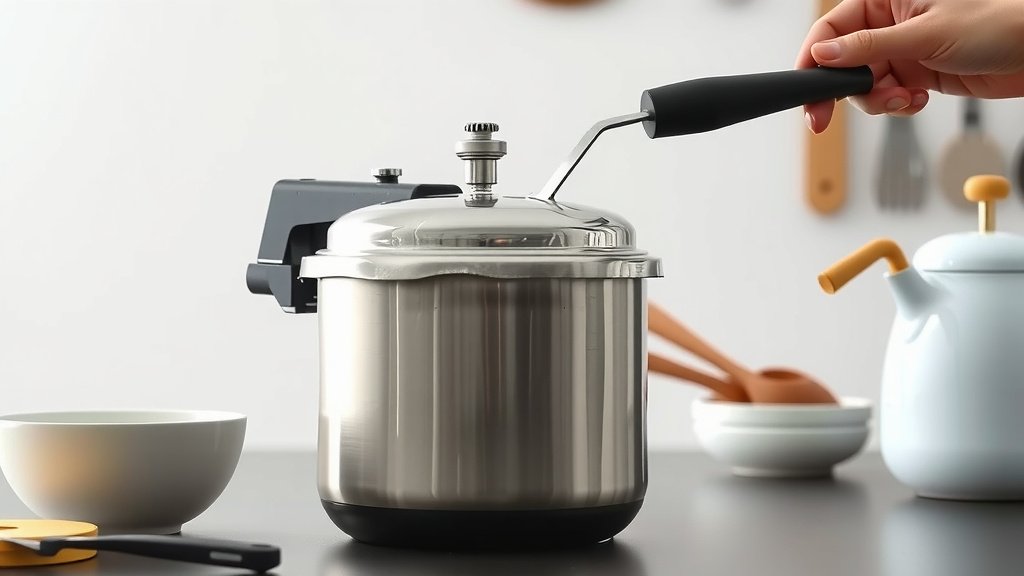
Yes, a pressure cooker is safe to use for cooking. Modern pressure cookers are designed with multiple safety features to prevent accidents. When used properly, they can even be safer than traditional stovetop cooking methods.
You might have heard old stories about pressure cookers being dangerous. Those were usually older models. Today’s cookers have safety locks and pressure release valves. We found that following the manufacturer’s instructions is key to enjoying safe and efficient cooking.
- Modern pressure cookers are built with safety first.
- They have multiple features to prevent pressure buildup.
- Always follow the instruction manual for best results.
- Proper use makes them a safe kitchen tool.
Ready to learn more? Below, we’ll walk you through exactly how these safety features work and what you need to do to ensure your pressure cooker experience is always worry-free.
Understanding Pressure Cooker Safety Features
You’re probably wondering if a pressure cooker is truly safe. The short answer is yes! Modern pressure cookers are incredibly safe. They have come a long way from older models. Today’s designs are packed with safety features. We found that these features work together like a team. They ensure your cooking experience is worry-free. So, let’s dive into what makes them so safe.
Built-in Safety Mechanisms
Think of your pressure cooker as having a safety squad. They are always on duty. The main goal is to control the pressure inside. This prevents it from reaching dangerous levels. You’ll find several key components designed for this purpose.
The Safety Lock Mechanism
One of the most important features is the lid lock. You can’t open the cooker while it’s pressurized. This is a vital safety step. It prevents you from accidentally opening the pot. This stops hot steam and food from escaping suddenly. Many modern cookers have a visual indicator. It shows when the lid is securely locked. This gives you extra peace of mind.
Pressure Release Valves: The Pressure’s Escape Route
Every pressure cooker has at least one pressure relief valve. This is like a tiny emergency exit. If the pressure gets too high, this valve opens. It releases just enough steam. This maintains a safe cooking environment. Some models have a primary valve. Others have a secondary backup valve. Both are designed to work reliably. They are tested rigorously before leaving the factory.
Overpressure Plugs: An Extra Layer of Protection
Beyond the main valves, many cookers have an overpressure plug. This is often a small, rubbery piece. It’s located on the lid. If both pressure valves somehow fail, this plug is designed to melt or pop out. This releases the steam in a less dramatic way. It’s a final safety net. We found this feature adds another level of assurance. It ensures you’re protected even in unlikely scenarios. Our guide on how to replace a pressure cooker gasket also covers the overpressure plug, another key safety component.
Proper Usage is Key to Safe Pressure Cooking
While the cooker has amazing safety features, your role is crucial. How you use the cooker matters. Following a few simple guidelines makes all the difference. It’s like driving a car; the car is safe, but you need to drive it responsibly.
Reading the Manual: Your Cooking Bible
Seriously, read that manual! Every pressure cooker is a little different. The manufacturer knows their product best. They provide specific instructions. These cover everything from filling levels to cooking times. They also detail proper maintenance. We found that users who read their manuals are the most successful. They also have the safest experiences. Don’t guess; know!
Filling Your Pressure Cooker Correctly
There are rules about how much you can put inside. Most pressure cookers have a maximum fill line. You should never go above it. Usually, it’s two-thirds full for most foods. For foaming foods like grains or beans, it’s often only halfway. Why? These foods can expand. They can also create foam. This foam could block the pressure release valves. Keeping fill levels correct is a simple but vital step.
Ensuring the Sealing Ring and Valves are Clear
Before you even turn on the heat, do a quick check. Make sure the rubber sealing ring inside the lid is clean. It should be properly seated. Also, check that the pressure release valve is clear of any food debris. A blocked valve is a safety hazard. A quick wipe and inspection take seconds. It’s a small habit that pays off big in safety.
Understanding Pressure Release Methods
There are a few ways your pressure cooker releases pressure. Knowing them helps you use it safely. You’ll typically see two methods: Natural Release and Quick Release. Some recipes might call for a combination.
| Release Method | How it Works | When to Use |
|---|---|---|
| Natural Release | You turn off the heat and let the pressure drop on its own. This can take 10-30 minutes. The lid won’t open until the pressure is gone. | Best for meats, stews, beans, and grains. It helps tenderize food and prevents delicate items from breaking apart. |
| Quick Release | You manually open the steam release valve. This lets steam escape rapidly. It brings the pressure down fast, usually in a minute or two. | Good for vegetables or seafood. You want them cooked but still firm. It stops them from overcooking. Be cautious of the hot steam! |
We found that understanding these methods helps you achieve the best results. It also ensures you know what to expect. For quick release, always keep your hands and face away from the steam. The steam is extremely hot and can cause burns.
Maintenance for Long-Term Safety
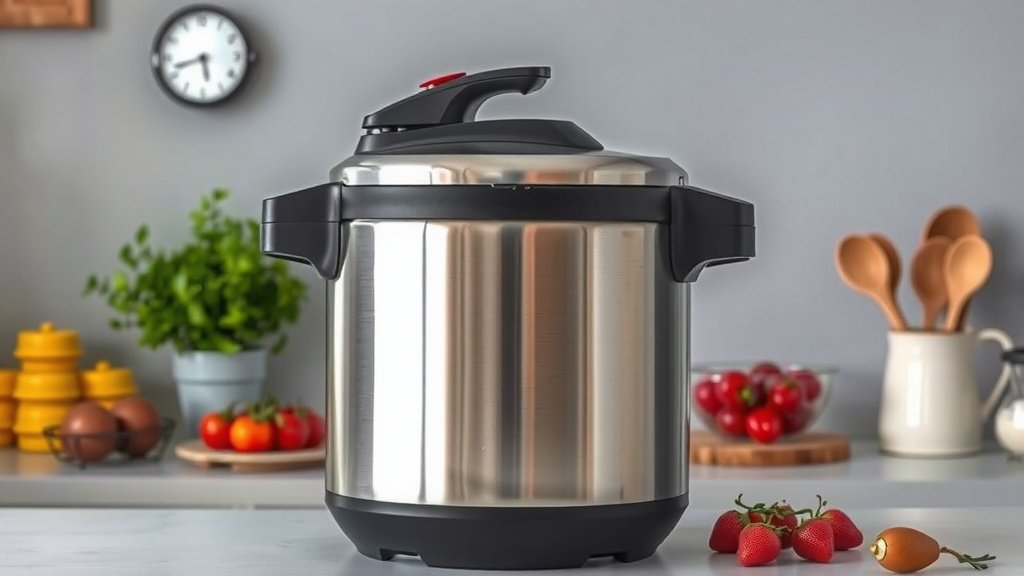
Just like any kitchen tool, your pressure cooker needs a little care. Proper maintenance keeps it working safely and efficiently for years. It’s not complicated, but it’s important.
Regular Cleaning is Essential
Clean your pressure cooker after every use. Pay special attention to the lid, the sealing ring, and the valves. Food particles can get stuck. This can interfere with the sealing or the release mechanisms. Many parts are dishwasher safe, but always check your manual. Some sealing rings might need hand washing to maintain their elasticity.
Inspecting the Sealing Ring and Gasket
The rubber sealing ring (or gasket) is vital for creating a good seal. Over time, it can wear out. Check it regularly for cracks, stiffness, or a lingering odor. If it looks damaged, it’s time for a replacement. A worn-out ring can prevent the cooker from reaching pressure. It could also cause steam to leak. Replacement parts are usually easy to find from the manufacturer.
Checking the Valves and Vents
Periodically, make sure the pressure release valves and any small vents aren’t clogged. You can use a small brush or a pipe cleaner. This ensures they are ready to function if needed. This is a simple check that ensures your cooker’s safety features are ready to go.
Here’s a quick checklist for staying safe:
- Always read your pressure cooker’s manual.
- Never fill past the maximum fill line.
- Ensure the lid is locked before cooking.
- Keep the sealing ring and valves clean and clear.
- Understand natural vs. quick pressure release.
- Inspect your cooker for wear and tear regularly.
Conclusion
You’ve learned that modern pressure cookers are indeed safe kitchen tools. Their advanced design includes multiple safety features like lid locks and pressure release valves. We found that by simply following the manufacturer’s instructions and performing basic maintenance, you can cook with confidence. Your pressure cooker is ready to help you prepare delicious meals quickly and safely. So, go ahead and give it a try for your next dish!
Frequently Asked Questions
Can a pressure cooker explode?
Modern pressure cookers are designed to prevent explosions. They have safety mechanisms like pressure release valves and overpressure plugs. These features ensure pressure is released safely if it builds too high. Following instructions and keeping the cooker clean greatly reduces any risk.
Is it safe to leave a pressure cooker unattended?
While modern pressure cookers are safe, it’s best practice not to leave them completely unattended. We recommend staying nearby, especially during the initial pressurization and release phases. This allows you to monitor cooking and react if needed, ensuring optimal safety.
What should I do if my pressure cooker is hissing loudly?
A gentle hiss is normal during pressure cooking as the valve releases excess steam. However, a very loud or continuous hiss, or steam escaping from the lid’s edge, could mean a problem. This might indicate a blocked valve or a faulty sealing ring. Check your manual and ensure all parts are clean and properly seated.
Are electric pressure cookers safer than stovetop models?
Both electric and stovetop pressure cookers are safe when used correctly. Electric models often have more automated safety features and don’t require monitoring the heat source. Stovetop models offer more manual control. Your comfort and understanding of the specific model’s features are key to safety.
How often should I replace the sealing ring on my pressure cooker?
The lifespan of a sealing ring varies, but we found it’s good to inspect it every few months. If you notice any signs of wear, such as cracks, stiffness, or a permanent odor, it’s time for a replacement. A damaged ring can affect the cooker’s ability to seal and pressurize properly.