Pressure Cooker Not Building Pressure? Fix It Now
Your pressure cooker not building pressure is usually due to a few common issues. Often, it means there’s a problem with the steam valve, a faulty gasket, or that your cooker isn’t quite full enough with liquid. These are the most frequent culprits when your cooking times stretch out unexpectedly.
It can be frustrating when your trusty cooker seems to be letting you down. We know how much you rely on it for quick, delicious meals. Many cooks find that a simple check of the sealing mechanism and ensuring the correct liquid amount solves the problem, restoring its pressure-building power.
- Check your steam valve for blockages.
- Inspect the rubber gasket for damage or wear.
- Ensure you have the minimum required liquid.
- Verify the lid is sealed completely.
- Clean all pressure release vents thoroughly.
Let’s walk through exactly what to check to get your pressure cooker back to its steamy, speedy self.
Troubleshooting Your Pressure Cooker’s Pressure Issues
You’ve got dinner plans, and your pressure cooker is usually your speedy secret weapon. But what happens when it’s just not building pressure? Don’t panic! This is a common hiccup. Often, a few simple checks can get your cooker back in working order. We’ve found that most pressure-building problems stem from a few key areas. Let’s dive in and figure out what’s going on.
Common Reasons for Pressure Loss
When your pressure cooker fails to build pressure, it’s usually a sign that steam is escaping somewhere it shouldn’t be. Think of it like a leaky balloon; it just won’t inflate properly if air is escaping. Your pressure cooker relies on a tightly sealed environment to create steam and the resulting pressure. If that seal is compromised, or if the steam can’t build up correctly, you won’t get that signature hiss or the quick cooking times you love.
Is It the Gasket’s Fault?
The rubber or silicone gasket is a superstar in your pressure cooker. Its job is to create a tight seal between the lid and the pot. Over time, this gasket can become worn, cracked, or hardened. A damaged gasket is one of the most frequent culprits for pressure loss. It might look okay at first glance, but even small cracks can let precious steam escape.
Inspecting Your Gasket
Take a good look at your gasket. Is it dry and brittle? Do you see any tears or nicks? Sometimes, food particles can get stuck in the gasket groove, preventing a good seal. If it looks warped or feels stiff, it’s probably time for a replacement. Many manufacturers offer replacement gaskets for their models, and swapping them out is usually quite simple. Research and found that replacing an old gasket can often restore pressure-building capabilities immediately. Research and found that replacing an old gasket can often restore pressure-building capabilities immediately.
Cleaning the Gasket Area
Even if your gasket looks in good shape, a thorough cleaning is essential. Make sure to remove the gasket and wash it gently with warm, soapy water. Also, clean the groove where the gasket sits inside the lid. Any dried food bits or residue can interfere with the seal. After cleaning, dry both the gasket and the groove completely before reassembling. A clean seal is a happy seal!
The Steam Valve: A Potential Bottleneck
Your steam valve is the gatekeeper for steam. It’s designed to release excess pressure safely, but it also needs to seal properly for pressure to build. If the valve is stuck, clogged, or damaged, it can prevent your cooker from reaching the necessary pressure levels.
Checking for Blockages
Sometimes, small pieces of food can get lodged in the steam valve or the vent pipe it connects to. This is especially common if you’re cooking things like grains or beans that can expand and clog things up. To check, ensure the cooker is completely cool and depressurized. Then, carefully inspect the valve. You can often gently prod it with a toothpick or a soft brush to dislodge any debris. Many guides recommend a visual inspection for any obvious blockages.
Understanding Valve Types
Pressure cookers have different types of valves. Some have a simple weighted rocker that jiggles, while others have spring-loaded valves or even electronic sensors. Whatever type you have, its function is the same: to seal when pressure builds and release safely when needed. If your valve feels loose, wobbly, or doesn’t move freely, it could be the problem.
Lid Sealing Issues
A properly sealed lid is absolutely critical for your pressure cooker to work. If the lid isn’t closing correctly, or if there’s something preventing it from latching securely, steam will escape immediately.
Is the Lid On Correctly?
It sounds obvious, but sometimes the lid isn’t fully engaged. Most pressure cooker lids need to be turned or locked into place to create a seal. Make sure you’re following your specific model’s instructions for locking the lid. You should feel or hear a distinct click or secure fit. If it feels loose or wobbly after you think it’s locked, try re-seating it.
Obstructions on the Rim
Just like with the gasket, anything on the rim of the pot or the lid can prevent a proper seal. Check for any dried food, dents, or damage on the lid’s rim or the pot’s edge. Even a tiny imperfection can be enough to let steam slip out. A gentle wipe-down of both surfaces is a quick and easy fix if this is the issue.
Liquid Levels: The Unsung Hero
This is perhaps the most overlooked reason your pressure cooker isn’t building pressure: not enough liquid. Pressure cookers work by boiling water (or other liquids) to create steam. Without enough liquid, there isn’t enough steam being produced to reach the required pressure.
Minimum Liquid Requirements
Most pressure cooker manuals specify a minimum amount of liquid required for safe operation. This is typically around 1 to 2 cups, depending on the size and type of cooker. Always check your manual for the exact amount. Cooking very moist ingredients might make you think you don’t need extra liquid, but the cooker still needs a baseline to generate steam.
Why So Much Liquid?
The liquid doesn’t just cook your food; it’s the engine for pressure. As the liquid heats up, it turns into steam. This steam is trapped inside the pot, and its volume increases dramatically, thus building pressure. If the liquid level drops below the minimum while cooking, the cooker might not be able to generate enough steam to maintain pressure. Many sources, like cooking safety guidelines, strongly advise against operating a pressure cooker below the minimum liquid mark.
When to Add More Liquid
If you’re cooking something for a very long time, or if you’re using ingredients that absorb a lot of liquid (like dried beans or certain grains), you might need to add more liquid during the cooking process. However, you must do this carefully, as opening a pressurized cooker is dangerous. It’s usually best to ensure you start with enough liquid for the entire cooking time as specified in your recipe. If you suspect you didn’t add enough, it’s often safer to depressurize, add more liquid, and start over. Research indicates this is a common beginner mistake.
A Quick Checklist for You
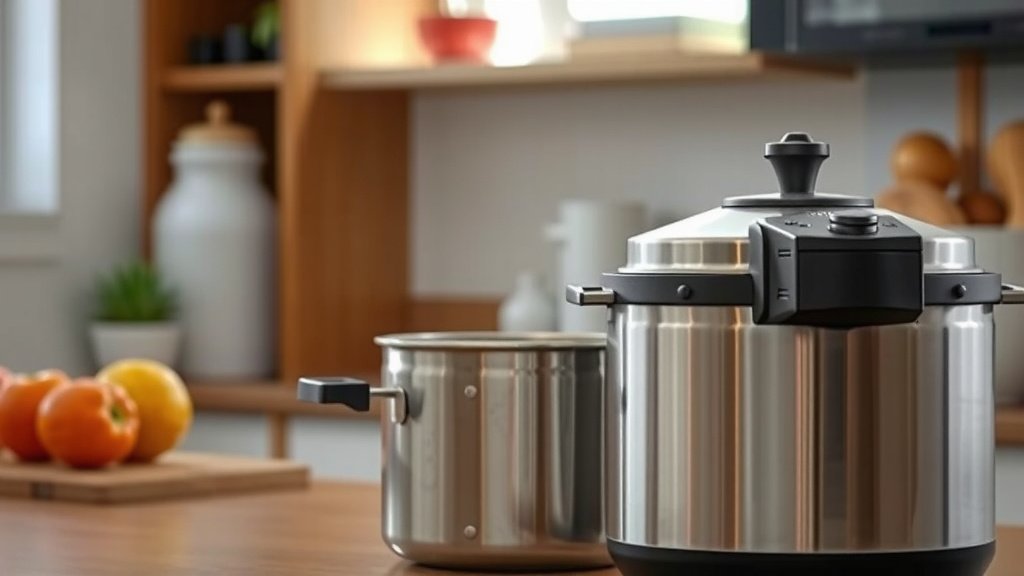
To help you troubleshoot, here’s a quick rundown of what to check. Think of this as your pressure cooker’s spa day checklist!
- Confirm the lid is locked securely.
- Inspect the gasket for tears or wear.
- Ensure the minimum liquid requirement is met.
- Check the steam valve for any food blockages.
- Clean the rim of the pot and the lid.
- Verify that all safety vents are clear.
Conclusion
It’s frustrating when your pressure cooker isn’t building pressure, but as you’ve seen, it’s usually a fixable issue. You’ve learned to check the simple things first: a properly sealed lid, a clean and intact gasket, and ensuring there’s enough liquid. Don’t forget to give your steam valve a quick check for any hidden blockages. Most of the time, one of these steps will get your cooker back to its speedy, efficient self.
Take a deep breath, run through this checklist, and you’ll be enjoying perfectly cooked meals again in no time. Happy cooking!
Frequently Asked Questions
My pressure cooker is hissing, but not building pressure. What’s wrong?
A hiss usually means steam is escaping somewhere it shouldn’t be. This often points to a problem with your gasket not creating a tight seal, or a blockage in the steam valve. Check both of these components for wear or debris first.
Can I use my pressure cooker without the minimum amount of liquid?
No, you absolutely should not. Your pressure cooker needs a minimum amount of liquid to generate the steam required to build pressure. Operating it without enough liquid can damage the cooker and is unsafe.
My lid won’t lock down properly, preventing pressure. What should I do?
If your lid isn’t locking, check the rim of the pot and the lid for any dents or food debris that might be in the way. Make sure you’re aligning it correctly according to your model’s manual before attempting to lock it.
How often should I replace the rubber gasket on my pressure cooker?
Most manufacturers recommend replacing the gasket every 1-2 years with regular use, or sooner if you notice it becoming stiff, cracked, or if it no longer seals properly. A visual inspection can tell you if it’s time.
I cleaned my pressure cooker, but it still won’t build pressure. Any other ideas?
If cleaning the gasket and valve didn’t help, ensure there are no obstructions in the actual pressure release vents. Also, confirm that the lid is fully engaged and locked; sometimes it just needs a little extra nudge to seal completely.