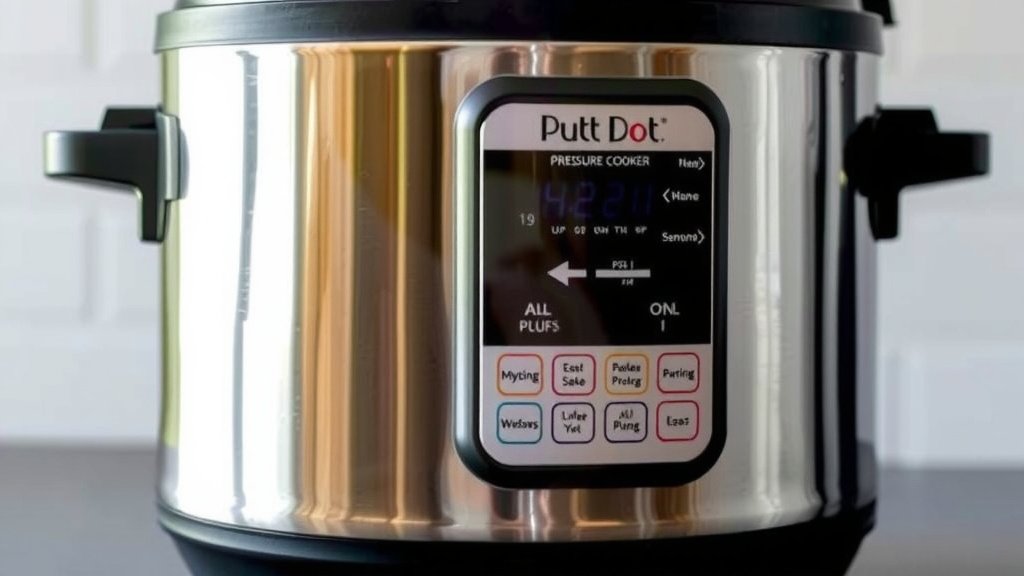
Pressure Cooker PSI Explained: What You Need to Know
PSI in a pressure cooker stands for pounds per square inch. This measurement tells you how much pressure your cooker builds up inside. It’s a key factor in how quickly your food cooks. The higher the PSI, the hotter the steam gets and the faster your meals will be ready.
Think of PSI as the cooking power of your pressure cooker. Different recipes might call for different pressure levels. Understanding PSI helps you achieve the perfect cooking time and texture for your dishes. It ensures your food is cooked safely and deliciously every time you use it.
- PSI means pounds per square inch.
- It measures the pressure inside your cooker.
- Higher PSI means faster, hotter cooking.
- It’s vital for correct cooking times.
- Different recipes need different PSI levels.
Let’s break down what PSI really means for your cooking and how to use it right. We’ll cover everything you need to know to get the most out of your pressure cooker.
Understanding Pressure Cooker PSI: Your Cooking Powerhouse
PSI in your pressure cooker refers to pounds per square inch. It’s a simple yet powerful measure. It tells you exactly how much pressure is building up inside the cooker. This pressure is what makes your food cook so much faster. Think of it like this: the more pressure, the hotter the steam gets. And hotter steam cooks food in a blink!
The PSI level directly affects your cooking times. It’s a key number to understand for delicious results. Different recipes need different pressure levels. Knowing this helps you choose the right setting. It ensures your food is cooked to perfection every single time. Let’s dive into what this means for your kitchen.
The Science Behind the Sizzle: How PSI Works
Your pressure cooker works by trapping steam. As water heats up, it turns into steam. In a regular pot, this steam escapes. In a pressure cooker, a tight-fitting lid seals it all in. This trapped steam builds up pressure inside the pot.
This build-up of pressure raises the boiling point of water. Normally, water boils at 212°F (100°C). But under pressure, water can reach much higher temperatures. For example, at 15 PSI, water boils around 250°F (121°C). This superheated steam cooks your food much faster than regular boiling or steaming.
Different Pressure Levels, Different Cooking Speeds
Most electric pressure cookers operate at around 10 or 12 PSI. Stovetop models often reach higher pressures, typically 15 PSI. Some commercial or specialty cookers might go even higher. You’ll usually see the maximum PSI listed on the cooker itself or in its manual.
Why does this difference matter? A higher PSI means a higher cooking temperature. This can drastically cut down cooking times. For instance, a recipe that takes 30 minutes at 10 PSI might only take 20 minutes at 15 PSI. It’s like giving your food a speed boost!
Common PSI Settings and Their Impact
You’ll often find recipes suggesting specific PSI levels. A common pressure setting is 15 PSI. This is often considered the “standard” for many recipes. It provides a good balance of speed and effective cooking for a wide variety of foods.
Some recipes, especially for delicate items, might call for a lower pressure, like 5 or 8 PSI. This gentler heat is ideal. It prevents overcooking or mashing softer ingredients. Always check your recipe and your cooker’s capabilities.
Choosing the Right PSI for Your Recipe
So, how do you know which PSI to use? The best guide is always your recipe. Recipes are developed with specific pressure levels in mind. Following them closely is your best bet for success. They’ve often been tested to ensure optimal results at a certain PSI.
If a recipe doesn’t specify a PSI, a good rule of thumb is to use your cooker’s maximum pressure. This is usually 15 PSI for stovetop models or the highest setting available on your electric cooker. However, use your judgment. For very tender items, you might want to reduce the pressure slightly.
What Your Pressure Cooker Manual Says
Your pressure cooker’s manual is your best friend. It will tell you the maximum PSI your specific model can reach. It might also offer guidance on different settings. Some electric models have pre-set buttons for things like beans or poultry. These buttons automatically adjust the pressure and time for you.
Reading your manual ensures you use the cooker safely. It also helps you understand its features. Don’t toss that manual! It holds the keys to unlocking your cooker’s full potential.
When to Adjust PSI Based on Ingredients
Think about what you’re cooking. Tougher cuts of meat or dried beans benefit from higher pressure. This intense heat breaks down fibers quickly. This makes them tender and flavorful in a fraction of the usual time.
Softer foods, like vegetables or fish, might do better with lower pressure. High pressure can turn delicate ingredients to mush. If you’re unsure, err on the side of caution. Start with a slightly lower pressure or time and adjust as needed. You can always cook something a bit longer, but you can’t un-cook it!
PSI and Pressure Cooker Safety: What You Need to Know
Safety is incredibly important with pressure cookers. They build up significant pressure. Always ensure your pressure release valve is clear. A clogged valve can be dangerous. Your manual will show you where this is and how to clean it.
Never force a pressure cooker open. Wait until the pressure has completely dropped. Most electric models have a float valve that indicates when it’s safe to open. For stovetop models, you’ll need to wait for the pressure indicator to drop. Forcing it open can cause burns from escaping steam or hot food.
Understanding Pressure Release Methods
There are a few ways to release pressure: natural release, quick release, and cold water release (only for stovetop models). Natural release allows the pressure to drop on its own. This takes time but is gentler on food.
Quick release involves manually opening the steam valve. This is faster but can cause some liquids to spray. It’s best for foods that don’t mind a bit of vigorous steam. Understanding these methods ensures safe operation. Always consult your manual for the recommended release method for your cooker.
A Quick Checklist for Pressure Cooker PSI Success
Getting the most out of your pressure cooker is simple when you keep these points in mind:
- Always check your recipe for the recommended PSI.
- Know the maximum PSI your pressure cooker can achieve.
- Ensure your pressure release valve is clean and clear.
- Never force open a pressure cooker that is still pressurized.
- Understand the different pressure release methods.
- When in doubt, start with a slightly lower pressure or shorter time.
Conclusion
You’ve learned that PSI in your pressure cooker is all about pounds per square inch, directly measuring the internal pressure. This pressure is what superheats steam, cooking your food faster and more efficiently. Understanding PSI helps you match your cooker’s power to your recipe’s needs. Always refer to your recipe and manual for the best results and safe operation. Now you’re ready to pressure cook with confidence and enjoy delicious meals even faster!
Frequently Asked Questions
What is the standard PSI for most pressure cooker recipes?
Most standard pressure cooker recipes are developed around 15 PSI. This is often considered the go-to pressure for a wide range of foods. It provides a good balance for tenderizing tough cuts and cooking staples efficiently.
Can I use my electric pressure cooker on a stovetop recipe?
It’s generally not recommended. Electric pressure cookers have a maximum PSI they can safely reach, often lower than stovetop models. Stovetop recipes are designed for higher pressure capabilities, so direct substitution might not yield the same results or could be unsafe.
What happens if I use a lower PSI than a recipe calls for?
If you use a lower PSI than your recipe specifies, your food will likely take longer to cook. The lower pressure means a lower cooking temperature, so the ingredients won’t break down as quickly. You may need to extend the cooking time to achieve the desired tenderness.
Is it safe to open my pressure cooker if the pressure hasn’t fully dropped?
No, it is never safe to force open a pressure cooker that is still pressurized. Doing so can cause a sudden release of scalding steam and hot food, leading to severe burns. Always wait for the pressure indicator or float valve to drop completely.
How do I know the PSI of my specific pressure cooker model?
Your pressure cooker’s maximum PSI is usually listed on the appliance itself, often near the handles or lid. The most reliable place to find this information is in your owner’s manual. It will clearly state the maximum pressure your model is designed to handle.