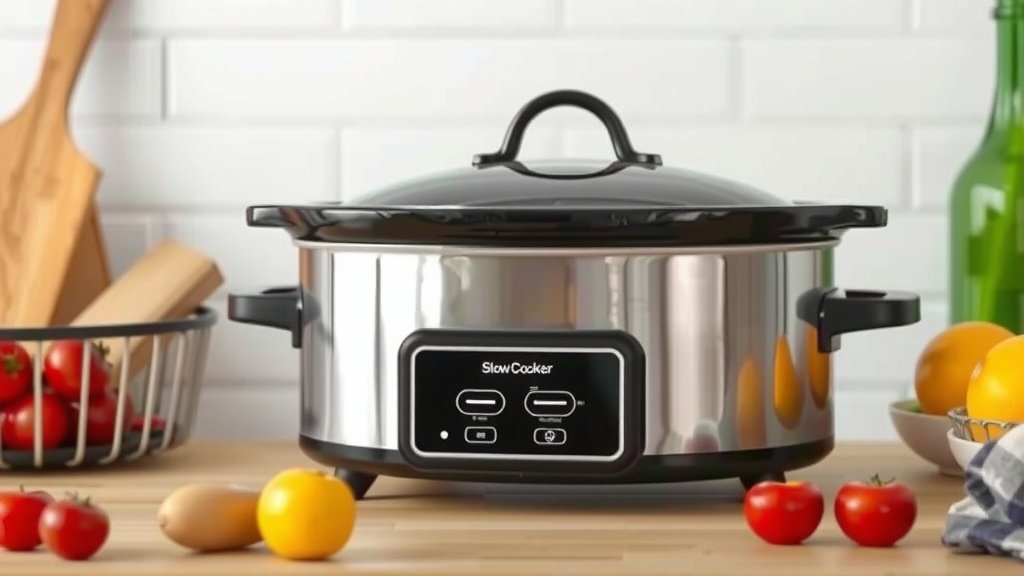
Slow Cooker Lid Rattling? Here’s Why
Your slow cooker lid rattling is usually perfectly normal. It happens because the steam needs a place to escape. This natural process helps your food cook properly without building too much pressure inside. Think of it as your slow cooker gently sighing as it works its magic.
This little bit of noise means your slow cooker is maintaining the right temperature. It prevents the lid from becoming too heavy and potentially cracking. Many users worry about this sound, but research shows it’s a sign of a well-functioning appliance. It’s your kitchen helper doing its job effectively.
- Lid rattling is normal.
- Steam escapes to prevent pressure buildup.
- It’s a sign your slow cooker is working correctly.
- This helps maintain proper cooking temperatures.
Let’s dive into why that rattle happens and what it means for your cooking. We’ll cover everything to put your mind at ease and ensure your slow cooker meals are a success.
Understanding Your Slow Cooker Lid’s Rattle
That little rattle from your slow cooker lid? It’s likely perfectly normal and a sign your appliance is working just the way it should. You’re not alone in wondering about it; many home cooks notice this sound. It’s not a sign of a broken lid or a faulty cooker. Instead, it’s a natural part of the cooking process.
We’ve all been there, listening to our kitchen gadgets and trying to figure out if every sound is a cause for concern. With slow cookers, that gentle rattling is usually a good thing. It means your cooker is managing its internal temperature and steam effectively. Let’s break down exactly why this happens.
Why the Rattle Happens: The Science of Steam
The primary reason your slow cooker lid rattles is the natural production of steam. As your food cooks, liquids within it heat up and turn into steam. This steam needs to escape the pot.
Steam Escape: A Necessary Vent
Your slow cooker isn’t designed to be completely airtight. There are tiny gaps between the lid and the pot. These gaps are intentional. They allow some of the steam to escape, which is a good thing for your cooking.
Think of it like a pressure cooker needing a vent. While a slow cooker doesn’t build extreme pressure, it still needs a way for excess steam to leave. This prevents a build-up that could cause other issues.
The Role of Heat and Expansion
When your slow cooker heats up, the lid and the pot itself expand slightly. This minor expansion can change the fit between the lid and the pot. Even a slight looseness can allow steam to wiggle its way out.
This thermal expansion is perfectly normal for most kitchenware. It’s just physics at play. The heat causes the materials to get a bit bigger, which can create the space for that rattling sound.
Is a Rattling Lid Dangerous?
Let’s get straight to the point: a rattling lid is not dangerous. It doesn’t mean your food is unsafe or that your cooker is about to break. In fact, it’s the opposite. It indicates your cooker is functioning as intended.
Preventing Pressure Buildup
If the lid were perfectly sealed, steam would build up inside. This could lead to increased internal pressure. While a slow cooker won’t explode like a stovetop pressure cooker, excessive pressure could potentially cause the ceramic insert to crack. It might also force liquid out of the pot.
Research on kitchen appliance safety often highlights the importance of proper venting. For slow cookers, this venting is achieved through those small gaps and the resulting steam escape (FDA recommendations for appliance use). The rattle is a sonic cue that this venting is happening correctly.
Maintaining Consistent Cooking Temperatures
The escape of steam also helps regulate the temperature inside the slow cooker. If the lid were too tightly sealed and steam couldn’t get out, the internal temperature might fluctuate more wildly. Allowing some steam to escape helps maintain the steady, low temperature that slow cookers are famous for.
This consistency is key to tender meats and perfectly cooked vegetables. The gentle rattle is a small price to pay for perfectly cooked meals. It’s a sign that your slow cooker is maintaining its ideal cooking environment.
When to Be Concerned: Signs of a Real Problem
While a rattle is normal, there are a few other sounds or issues that might signal a problem with your slow cooker. It’s good to know the difference.
Loud Clanking or Grinding
If you hear loud clanking or grinding sounds, that’s different from a gentle rattle. This could indicate a mechanical issue. It might be that the heating element is failing or something is loose internally. In these cases, it’s best to stop using the appliance and check your manual.
No Heat or Uneven Cooking
The most obvious sign of a problem is if your slow cooker isn’t heating up at all, or if the food is cooking very unevenly. This suggests a malfunction with the heating element. A rattling lid won’t cause these issues. A rattling lid won’t cause issues with the heating element.
Cracked Ceramic Insert
A cracked ceramic insert is a serious problem. Never use a slow cooker with a cracked insert, as it can break further during cooking and potentially contaminate your food. A rattling lid, as we’ve discussed, actually helps prevent this.
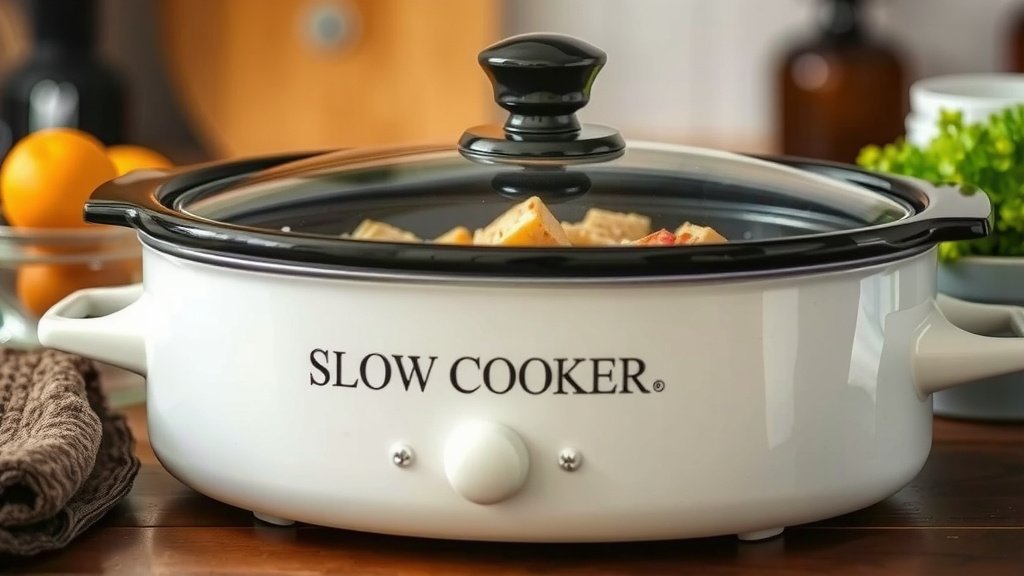
Tips for a Quieter (or Not!) Slow Cooker Experience
You don’t necessarily need to eliminate the rattle, as it’s usually a sign of good function. However, understanding it can help you relax about the noise. Here are a few points to keep in mind.
The Lid’s Fit
Different slow cooker models have slightly different lid fits. Some are designed to be a bit looser to allow for steam escape. Others might have a tighter seal. If your lid rattles a lot, it might just be the design of your specific model.
Positioning Matters
Sometimes, how you place the lid can affect the rattling. Make sure it’s seated properly on the pot. If it’s slightly askew, it might rattle more than usual.
Accommodating the Sound
Many users find that simply understanding the cause of the rattle makes it less noticeable. Knowing it’s a sign of good performance can turn an annoyance into a comforting kitchen sound. It’s the sound of dinner being made!
Check Your Manual
If you’re still concerned about your slow cooker’s noise, consult your owner’s manual. It will often explain normal operating sounds. Many manufacturers consider a gentle rattle to be standard operation.
Consider Lid Designs
Some newer slow cooker lids are designed with specific steam vents or a more snug fit. If you find the rattling particularly bothersome, you might explore models known for quieter operation. However, remember that effective steam release is always important.
Lid Material and Weight
The material of your lid (glass, ceramic, etc.) and its weight can also influence how much it rattles. A heavier glass lid might make a more pronounced sound when steam tries to escape than a lighter one.
What the Rattle Actually Tells You
Essentially, that rattle is your slow cooker’s way of saying, “I’m working hard!” It confirms a few key things about its operation:
- The heating element is functioning correctly.
- Steam is being produced as food cooks.
- There is an escape route for the steam.
- The temperature inside is stable.
- The appliance is working as designed.
So, the next time you hear that gentle jiggle from your slow cooker lid, try to appreciate it. It’s a small, normal sound that means your meal is on its way to being delicious.
Conclusion
You’ve learned that your slow cooker lid rattling is typically normal operation. It’s a healthy sign that steam is escaping, preventing excess pressure and helping maintain consistent cooking temperatures. This gentle sound is your appliance working efficiently to create delicious meals.
Don’t let the noise cause you worry. Instead, appreciate it as a signal that your slow cooker is doing its job well. If you ever suspect a real problem, like loud grinding or no heat, always check your manual or contact the manufacturer.
Next time, when you hear that rattle, relax and trust your slow cooker. Your next tasty dish is already on its way!
Frequently Asked Questions
Can I stop my slow cooker lid from rattling?
While you can’t entirely stop the rattle if it’s due to normal steam escape, you can sometimes minimize it. Ensure the lid is seated properly on the pot. Some models are designed to be a bit looser, so a slight rattle is just their nature.
Does a rattling lid mean my food is cooking too fast?
No, a rattling lid doesn’t mean your food is cooking too fast. It actually indicates your slow cooker is working correctly to maintain a steady, low temperature. The steam escape helps regulate the heat for slow, even cooking.
Is it okay to use my slow cooker if the lid is slightly loose?
Yes, a slightly loose lid that rattles is perfectly fine and often intended. This allows steam to escape, which is important for preventing pressure buildup. A perfectly airtight seal isn’t necessary or desirable for most slow cookers.
What if my slow cooker lid doesn’t rattle at all?
If your slow cooker lid never rattles, it might have a very tight seal or is designed differently. This isn’t necessarily a problem, but ensure you still see some condensation on the lid, which indicates steam is building and cooking is happening. If you notice no steam or condensation, check that it’s heating properly.
Could a rattling lid damage my slow cooker?
A rattling lid from normal steam escape will not damage your slow cooker. In fact, it helps prevent potential issues like the ceramic insert cracking from pressure buildup. It’s a sign of healthy operation, not a cause for concern.