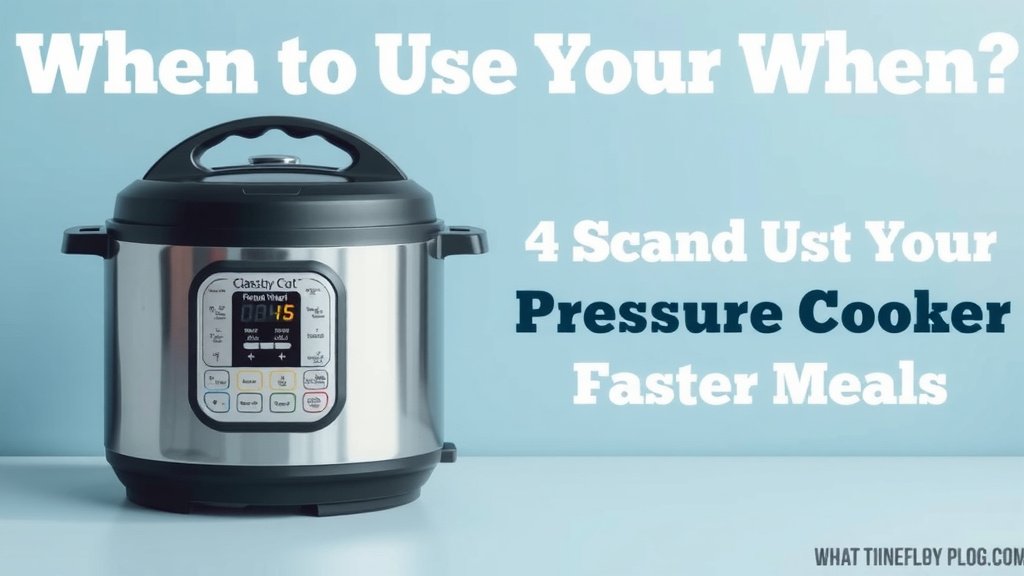
When to Use Your Pressure Cooker for Faster Meals
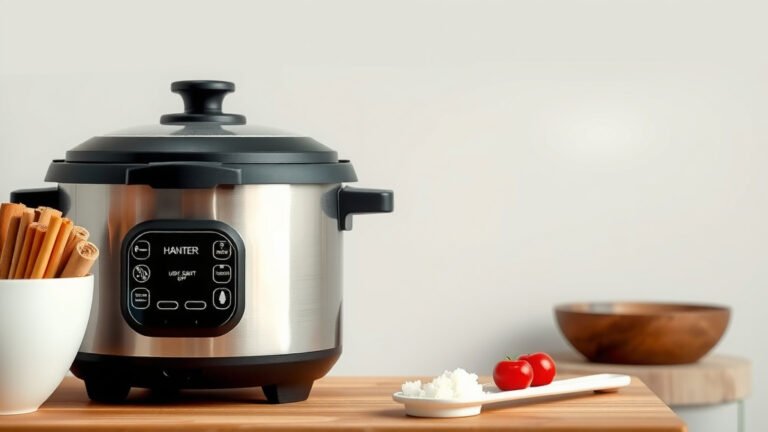
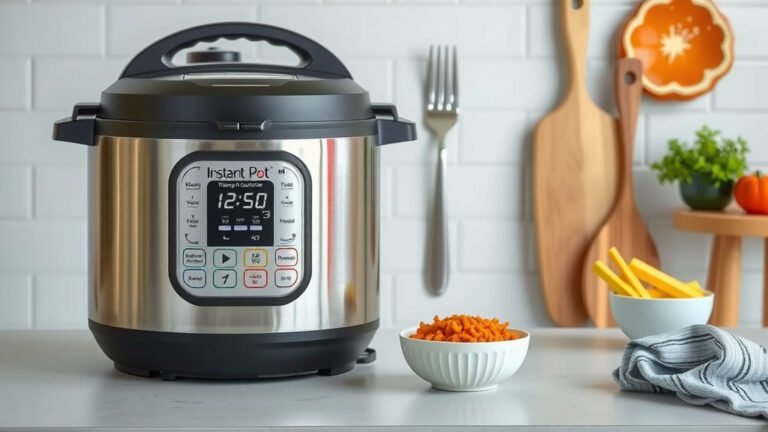
You should use a pressure cooker when you want to cook foods quickly and efficiently. This handy kitchen gadget uses steam pressure to tenderize tough cuts of meat, cook dried beans without soaking, and speed up cooking times for stews and grains. It’s a real time-saver for busy weeknights.
Beyond just speed, pressure cookers are great for preserving nutrients and flavor. The sealed environment traps moisture and heat, meaning your ingredients cook in their own juices. This often results in more tender and flavorful meals than traditional stovetop methods. Plus, they use less energy.
- Cooks food up to 70% faster.
- Tenderizes tough meats and cooks dried beans quickly.
- Preserves more nutrients and flavor.
- Saves energy compared to conventional cooking.
- Great for soups, stews, grains, and even desserts.
Ready to see how this amazing tool can transform your cooking? Let’s dive into the specific situations where your pressure cooker truly shines.
So, you’ve got this super-powered pot sitting on your shelf, and you’re wondering when exactly it’s your best friend in the kitchen. Think of your pressure cooker as your secret weapon for meals that need a little extra help to become tender and delicious, fast. It’s perfect for those nights when time is tight but you still want something hearty and satisfying.
When Your Schedule Needs a Serious Speed Boost
Your pressure cooker can dramatically cut down cooking times. This means you get delicious meals on the table much faster than with traditional methods. It’s especially useful for dishes that normally take hours.
Tackling Tough Cuts of Meat
Got a tough cut like a chuck roast or pork shoulder? A pressure cooker is your go-to. It uses high pressure to break down the tough connective tissues in meat. You’ll end up with fall-apart tender results in a fraction of the time. Many recipes that would take all day in a slow cooker can be done in under an hour.
The Magic of Dried Beans
Remember soaking dried beans overnight? Those days are over! Pressure cooking can cook dried beans, like chickpeas or kidney beans, from start to finish in about 30-40 minutes. No pre-soaking needed. This is a huge win for weeknight chili or homemade hummus.
Soups and Stews in a Flash
This is where your pressure cooker truly shines. Soups and stews often require long simmering times to develop flavor and tenderize ingredients. Your pressure cooker does this rapidly. You can make a rich, complex-tasting stew in about 20-30 minutes of cook time. This is amazing for busy evenings!
Perfect Grains and Risotto
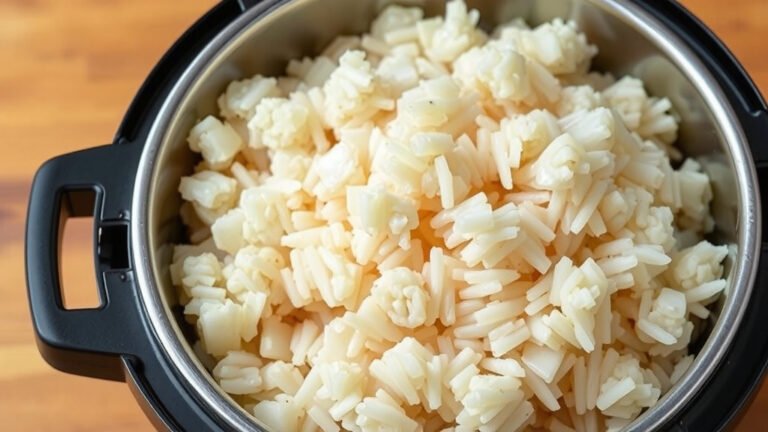
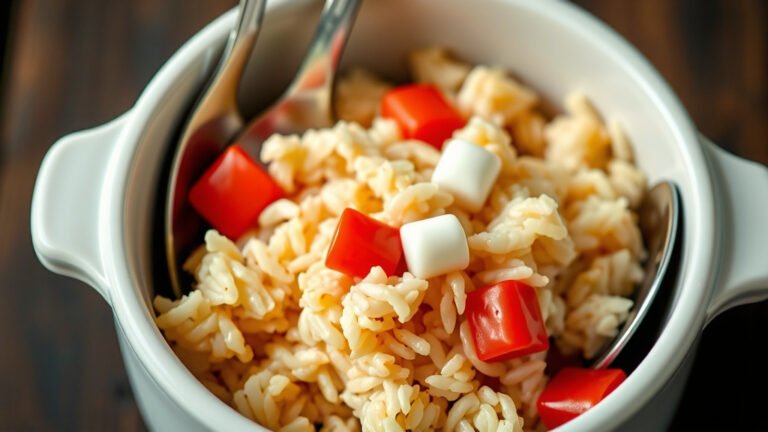
Cooking grains like brown rice or quinoa can sometimes take a while. Pressure cooking shortens this time significantly. Even better, it makes a creamy, delicious risotto quickly. Normally, risotto demands constant stirring for 30 minutes. Your pressure cooker can achieve a similar texture in about 6-8 minutes of actual cooking time. It’s a wonderful way to get restaurant-quality results at home.
Maximizing Flavor and Nutrition
Beyond speed, your pressure cooker helps lock in flavor and nutrients. The sealed environment means less moisture escapes. This concentrates the tastes of your ingredients. It also means fewer vitamins and minerals are lost during cooking.
Retaining Nutrient Density
Research suggests that pressure cooking can help preserve more nutrients compared to other cooking methods. For example, studies have shown that certain vitamins, like vitamin C, degrade less under pressure. This is because the cooking time is shorter and less water is used (NCBI).
Intensifying Natural Flavors
When food cooks in a sealed pot, the steam and natural juices circulate. This creates a more intense, concentrated flavor profile. You often don’t need as much added salt or seasoning because the ingredients’ own deliciousness is amplified.
When You Want to Save Energy and Effort
Using your pressure cooker can also be an economical choice. It uses less energy than your oven or stovetop for long-cooking dishes. Plus, it frees up your oven for other things.
Energy Efficiency Wins
Because pressure cookers cook food so much faster, they use less electricity or gas. Think about how long your oven runs to braise a pot roast. A pressure cooker accomplishes a similar result using a fraction of the energy. This can add up to real savings on your utility bills over time.
Less Kitchen Heat
Especially in warmer months, you don’t want to heat up your entire kitchen with a long oven session. Your pressure cooker stays contained on the stovetop or plugs into a single outlet (for electric models). This keeps your kitchen cooler and more comfortable.
Specific Food Types That Benefit Most
Certain foods just seem to be made for the pressure cooker. If you love these items, you’ll want to get your pressure cooker out.
Legumes Galore
We already mentioned dried beans, but it goes for lentils and peas too. They cook incredibly fast and become wonderfully tender. This makes them perfect for soups, dips, and side dishes.
Tougher Vegetables
Root vegetables like potatoes, carrots, and sweet potatoes cook much faster and evenly. They retain a good texture without becoming mushy, especially if you time them carefully.
Certain Desserts
Believe it or not, you can make some amazing desserts in your pressure cooker! Think cheesecakes, custards, and even some cakes. They come out incredibly moist and tender.
Your Pressure Cooker Checklist: When to Reach For It
Here’s a quick rundown to help you decide:
- You have a tough cut of meat that needs tenderizing.
- You want to cook dried beans or lentils without soaking.
- You’re short on time but want a hearty stew or soup.
- You’re cooking grains like brown rice or quinoa and want speed.
- You want to preserve more nutrients in your vegetables.
- You want to save energy and keep your kitchen cooler.
Conclusion
You’ve learned that your pressure cooker is a champion for speed and efficiency. It transforms tough meats into tender delights, makes dried beans a weeknight possibility, and whips up hearty soups and perfect grains in record time. Beyond saving you precious minutes, it locks in more nutrients and flavor, while also being energy-efficient. Ready to make the most of this kitchen workhorse? Start by picking one recipe from the article that sounded appealing and give your pressure cooker a try this week!
Frequently Asked Questions
Can I use my pressure cooker for delicate vegetables?
You can, but you need to be careful with cooking times. Delicate vegetables like broccoli or asparagus can overcook very quickly. It’s often best to add them towards the end of the cooking cycle or use a quick-release method to stop the cooking process immediately.
Is pressure cooking really more nutritious than other methods?
Research suggests that it can be. Because the cooking time is shorter and less water is used, fewer heat-sensitive vitamins and minerals may be lost compared to boiling or long simmering. This helps retain more of the food’s natural goodness.
How do I know if a recipe is suitable for a pressure cooker?
Look for recipes that naturally require long cooking times for tenderizing or softening. This includes tough cuts of meat, dried beans, stews, and grains. Many traditional recipes can be adapted, but it’s best to start with recipes designed for pressure cookers.
Can I use my pressure cooker if I don’t have much counter space?
Yes! Pressure cookers, especially electric models, often have a smaller footprint than many slow cookers or large pots. Since they cook food so quickly, they free up your stovetop or oven for other tasks, making efficient use of your kitchen space.
What’s the difference between a stovetop and an electric pressure cooker?
Stovetop models rely on your stove’s heat for pressure and temperature control. Electric models are self-contained units with built-in heating elements and digital controls, often offering more pre-set functions. Both achieve tender results, but electric ones offer more convenience and precision.