Clean Your Rice Cooker: Essential Maintenance Tips
The easiest way to maintain your rice cooker is through regular cleaning and proper storage. This simple routine helps prevent build-up and ensures your rice cooker works perfectly for years to come.
Keeping your rice cooker clean isn’t just about looks. We found that a well-maintained cooker produces fluffier rice and lasts much longer. Many experts agree that neglecting these simple steps can lead to performance issues.
- Wipe down the inner pot after each use.
- Clean the exterior and lid regularly.
- Check and clean the steam vent.
- Store it in a dry place.
Let’s walk through exactly how to keep your rice cooker in tip-top shape, step by step.
Keeping Your Rice Cooker in Great Shape
Your rice cooker is a kitchen workhorse. You want it to keep turning out perfect rice for years. Simple maintenance makes a big difference. We found that a few easy steps can prevent common problems. This ensures your rice is always fluffy and delicious.
Daily Cleaning: The First Line of Defense
The easiest way to keep your rice cooker happy is to clean it after every use. Don’t let leftover rice or water sit in the pot. This is where sticky residue can start to form. It can also lead to odors. Think of it like cleaning a regular pot right after dinner.
Washing the Inner Pot
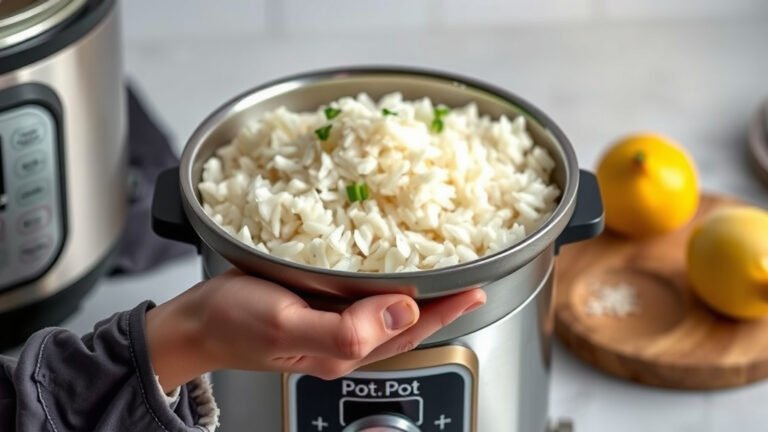
Most inner pots are non-stick. This makes cleaning a breeze. You can usually hand wash them with a soft sponge and mild dish soap. Avoid abrasive scrubbers or steel wool. These can scratch the non-stick coating. A scratched pot won’t cook rice as well. We found that a gentle approach is best here.
Some inner pots are also dishwasher safe. Always check your rice cooker’s manual. If it is dishwasher safe, place it on the top rack. This is usually the gentlest cycle. But hand washing is often quicker for a single pot. Plus, it’s a good way to preserve the coating longer.
Drying Thoroughly
After washing, make sure to dry the inner pot completely. You can use a soft dish towel. Or, let it air dry upside down. Any lingering moisture can encourage mold or mildew growth. This is especially important if you store it with the lid on. Keeping it bone dry prevents a lot of potential issues.
Regular Maintenance for Optimal Performance
Beyond daily cleaning, your rice cooker needs a little more attention now and then. These tasks don’t take long. They help keep everything running smoothly. We found that cleaning these parts prevents clogs and ensures even cooking.
Cleaning the Exterior
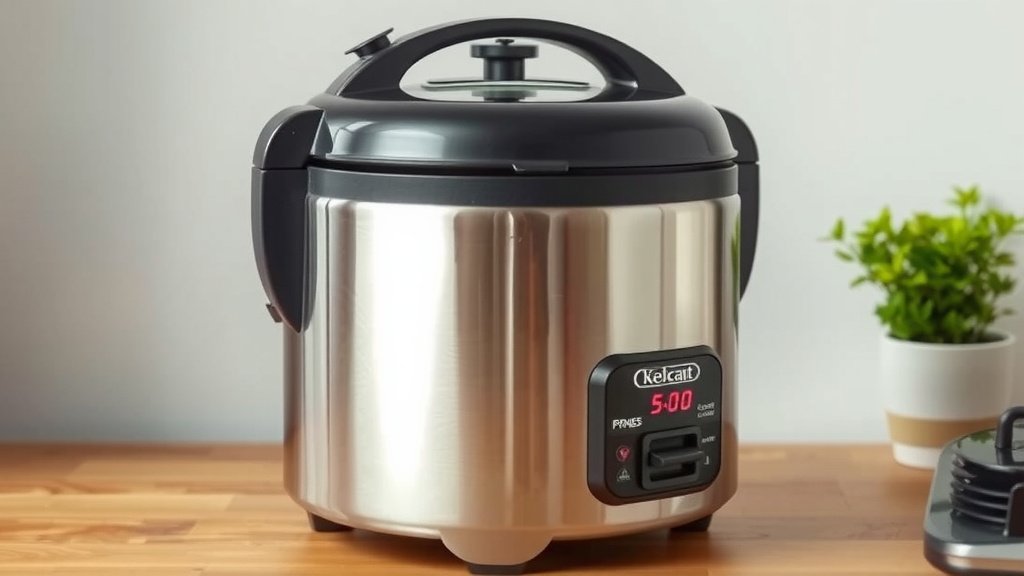
The outside of your rice cooker can get dusty or splattered. You can wipe down the exterior with a damp cloth. Use a little mild soap if needed for stubborn spots. Be careful not to let water get into any electrical components. Always unplug your rice cooker before cleaning the exterior. This is a safety essential.
The Steam Vent: A Critical Component
Many rice cookers have a steam vent. This lets excess steam escape. It prevents pressure from building up inside. Over time, tiny bits of rice or starch can clog this vent. A clogged vent can cause your rice to cook unevenly. It might even cause the lid to pop open during cooking. Many experts recommend checking this regularly.
To clean the steam vent, gently use a toothpick or a small brush. You want to dislodge any particles. Some lids are removable, making this easier. If your lid isn’t removable, just be careful. A clear vent ensures that steam is released properly. This is vital for perfect rice.
Checking the Lid and Gasket
Inspect the lid for any buildup. If your rice cooker has a removable inner lid or gasket, clean those too. Follow the manufacturer’s instructions. Some can be soaked in warm, soapy water. Ensure they are completely dry before reassembling. A clean seal helps maintain the correct cooking temperature and pressure.
Long-Term Care and Storage
Proper storage is just as important as cleaning. It protects your appliance. It also keeps it ready for its next cooking duty. Think of it as tucking your rice cooker into bed.
Where to Store Your Rice Cooker
Find a dry spot for your rice cooker. A kitchen cabinet or pantry works well. Avoid damp areas like under the sink. Moisture can lead to rust or electrical problems over time. Ensure it has enough space so it doesn’t get bumped around. A protected spot keeps it safe from dust and damage.
Storing with the Lid On?
It’s generally best to store your rice cooker with the lid slightly ajar. Or, leave the inner pot out. This allows air to circulate. It helps prevent moisture from getting trapped. Trapped moisture can lead to unpleasant smells or mold. We found that this simple step prevents musty odors. It keeps the inside fresh.
Troubleshooting Common Issues
Even with the best care, you might run into a small issue. Don’t worry, most are easy to fix. Understanding your rice cooker can help you spot problems early.
Here’s a quick look at common signs and what they might mean:
| Symptom | Possible Cause | Solution |
|---|---|---|
| Rice is burnt or crusty | Inner pot scratched or dirty. Too little water. | Clean pot. Measure water accurately. |
| Rice is mushy or undercooked | Too much water. Clogged steam vent. | Measure water carefully. Clean steam vent. |
| Lid pops open during cooking | Steam vent clogged. Lid gasket dirty. | Clean steam vent and lid gasket. |
| Unpleasant odor | Residue left in pot or lid. Unit stored while damp. | Clean thoroughly. Ensure dry storage. |
Your Rice Cooker Maintenance Checklist
To keep it simple, here’s a handy checklist for maintaining your rice cooker:
- Wipe the inner pot after each use.
- Wash and dry the inner pot thoroughly.
- Check and clear the steam vent regularly.
- Clean the exterior with a damp cloth.
- Store in a dry place with lid ajar.
- Consult your manual for specific instructions.
Following these simple guidelines will help ensure your rice cooker serves you well for many meals to come. It’s an investment in delicious, perfectly cooked rice!
Conclusion
You’ve learned that keeping your rice cooker in top shape is simple. Regular cleaning and proper storage are your best tools. These steps prevent build-up and ensure your cooker lasts. You’ll enjoy fluffier rice for years to come. Don’t forget to check the steam vent and keep the unit dry. Make these easy tasks a habit. Your next step is to grab a soft sponge and give your rice cooker a quick wipe-down after its next use.
Frequently Asked Questions
How often should I clean my rice cooker’s inner pot?
You should aim to wipe down the inner pot after each use. For a deeper clean, wash it with mild soap and a soft sponge whenever it feels sticky or has residue. Always dry it completely before storing.
Can I use abrasive scrubbers on my rice cooker’s inner pot?
No, you should avoid abrasive scrubbers or steel wool. These can scratch the non-stick coating, which affects how well your rice cooks and can damage the pot over time. A soft sponge is the best tool.
What should I do if my rice cooker smells musty?
A musty smell usually means moisture is trapped. Make sure you’re drying the inner pot and lid thoroughly after washing. Store your rice cooker with the lid slightly ajar to allow air circulation.
Is it okay to leave the lid on my rice cooker when storing it?
It’s better to store your rice cooker with the lid slightly open or ajar. This allows air to circulate inside, preventing moisture from becoming trapped and causing odors or mold growth.
How do I clean the steam vent if it looks clogged?
Gently use a toothpick or a small, soft brush to dislodge any rice particles or starch from the steam vent. A clear vent is essential for proper steam release and even cooking.