Can You Cook Frozen Rice in a Rice Cooker? Yes—Here’s How
Yes, you can cook frozen rice in a rice cooker, and it works surprisingly well. The rice cooker simply treats it like a longer cooking job, adding extra water and time to thaw and reheat the grains evenly. Many experts say it’s one of the easiest ways to revive leftover rice without a stovetop.
We researched this topic and found a few things worth knowing before you press start. Frozen rice can clump together, so breaking it up first helps a lot. You’ll also want to add a splash of water to keep the grains from drying out. And if you froze the rice properly in the first place, you’ll get fluffy results every time.
Quick recap before we dive in:
- Yes, frozen rice cooks fine in a rice cooker.
- Break up clumps and add extra water before cooking.
- Expect a longer cooking time than fresh rice.
- Food safety matters, so freeze rice quickly and reheat it fully.
- Fresh rice usually tastes a bit better, but frozen is a close second.
Below, we break down everything you need to know about cooking frozen rice in your rice cooker. We’ll cover the exact steps, the safety rules, and a few tricks we found along the way.
Cooking Frozen Rice in Your Rice Cooker
Your rice cooker can absolutely handle frozen rice, and it does a better job than most people expect. The machine just treats it like a longer cooking cycle. Extra water helps steam the frozen grains back to life. We found that the whole process is closer to “reheat” than “cook,” which is great news for busy weeknights.
Think of it like warming up a cold house. You don’t need a new furnace; you just need more time and a steady heat source. Your rice cooker is that steady heat source, and it never gets impatient.
Why the Rice Cooker Handles Frozen Rice So Well
Rice cookers work by sensing temperature and moisture. Frozen rice starts cold and watery as it thaws, so the cooker simply keeps heating until it hits the right finish point. Many experts say this slow, even warming is actually gentler than a microwave blast, which often dries out the edges before the middle thaws. Want the full picture of what’s happening inside your cooker? Our guide to how a rice cooker works breaks down each step.
We found that a rice cooker also traps steam inside the pot. That trapped moisture keeps the grains from turning crunchy, which is the number one complaint people have about reheated rice.
Step-by-Step: How to Do It Right
Break Up the Clumps First
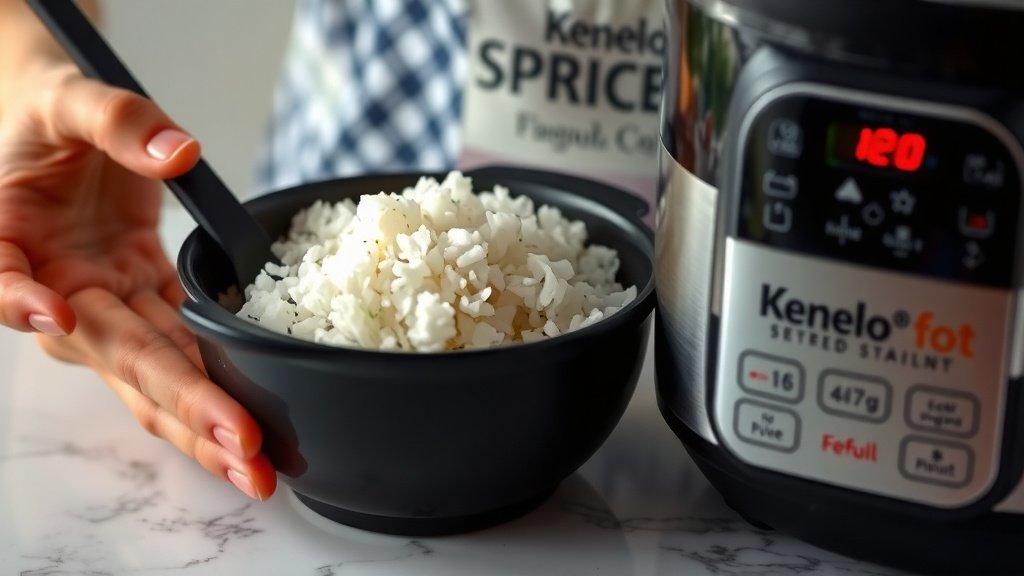
Frozen rice usually freezes into one solid brick or a few big chunks. Drop that brick in as-is and you’ll get frozen centers with mushy outsides. Instead, let the rice sit on the counter for 5 to 10 minutes, then break it apart with a fork or your hands.
You don’t need perfect separation. Just aim for loose, crumbly pieces about the size of marbles. Smaller pieces mean even heating and no surprise cold pockets.
Add Extra Water the Right Way
Frozen rice loses moisture during freezing and thawing. Without a little help, it can come out dry. The fix is simple: splash in water before you press start. Many cooking guides recommend 1 to 2 tablespoons of water per cup of rice (Mayo Clinic suggests similar moisture tricks for reheating grains).
How Much Water to Use
Here’s a quick guide we put together based on common rice maker advice:
| Amount of Frozen Rice | Water to Add | Expected Result |
|---|---|---|
| 1 cup | 1–2 tablespoons | Fluffy, lightly steamed |
| 2 cups | 2–3 tablespoons | Soft and even |
| 3+ cups | 3–4 tablespoons | Tender, watch the time |
Err on the side of less water. You can always fluff in a teaspoon more after cooking, but you can’t undo soggy rice. Trust us on that one.
Pick the Right Setting
If your cooker has a “reheat” or “steam” function, use it. Basic models? Just use the regular white rice cycle. Fancy models with “quick” modes work too, but the standard cycle gives the most even results because it heats slowly.
One tip we found helpful: stir the rice once halfway through if your cooker lets you open the lid safely. It redistributes the heat and breaks up any stubborn chunks.
How Long Will It Take?
Expect longer cooking times than fresh rice. A normal fresh batch might take 25 to 35 minutes. Frozen rice often takes 40 to 50 minutes, depending on how much you’re reheating and how big the chunks were.
Don’t panic if it seems slow. The cooker is thawing and cooking at the same time, kind of like defrosting bread in the oven instead of the microwave. Slow and steady wins the texture game.
Frozen vs. Fresh: What’s the Real Difference?
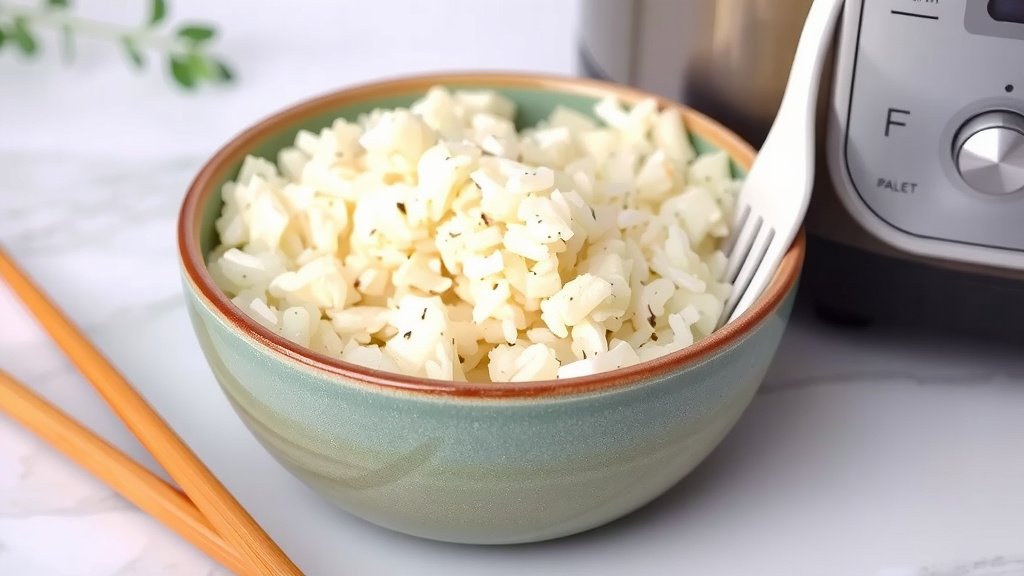
Honestly? Less than you’d think. We found that rice frozen properly and reheated with steam comes very close to fresh. Here’s how they stack up:
| Factor | Fresh Rice | Frozen, Reheated Rice |
|---|---|---|
| Texture | Best of the best | Very close with added water |
| Cook time | 25–35 minutes | 40–50 minutes |
| Flavor | Bright and clean | Mildly softer, still tasty |
| Convenience | Requires cooking from scratch | Ready whenever you are |
Frozen rice is the clear winner on convenience. Fresh wins on texture by a small margin. For fried rice, soups, and burrito bowls, most people can’t tell the difference.
Food Safety Rules You Should Never Skip
Here’s where we need to put on the serious hat for a minute. Cooked rice carries a bacteria called Bacillus cereus, and its spores can survive cooking. Left at room temperature too long, those spores can grow toxins that reheating won’t destroy (USDA and CDC food safety guidance both flag this).
Freeze Rice the Safe Way
The golden rule: get leftover rice into the fridge or freezer within one hour of cooking. Spread it in a thin layer on a sheet pan to cool fast, then bag it up. USDA guidance says leftovers kept at safe temperatures are good in the freezer for a few months with best quality, though they stay safe longer.
Reheat It Fully, Every Time
When you’re ready to eat, reheat rice until it’s steaming hot all the way through. USDA guidance recommends reheating leftovers to 165°F. Let the rice cooker finish its full cycle, and give it a stir to check for cold spots before serving. Skip the “warm” setting for reheating; it’s too gentle to do the job safely.
Your Quick Pre-Cook Checklist
Before you press start, run through this list we keep taped near our own kitchen counter:
- Thaw briefly so the rice breaks apart easily.
- Crumble the clumps into small, even pieces.
- Add 1–2 tablespoons of water per cup of rice.
- Use a full cooking cycle, not the warm setting.
- Stir once mid-cook to banish cold pockets.
- Check it’s steaming hot before you serve.
That’s the whole routine. Six small steps that take less than two minutes of actual effort, and the rice cooker does the rest while you get on with your evening.
Conclusion
Your rice cooker is more capable than you might think, and frozen rice is no challenge for it. Break up the clumps, splash in a little water, and run a full cycle instead of the warm setting. That’s really all it takes. You’ll wait a bit longer than you would for fresh rice, but the texture comes out remarkably close, and dinner gets a whole lot easier. The safety rules matter most: freeze rice fast after cooking and reheat it until it’s steaming hot. We found that once you’ve done this a couple of times, it becomes second nature. So tonight, grab that bag of frozen rice from your freezer, run through the quick checklist, and let your rice cooker handle the rest while you take care of everything else on your plate.
Frequently Asked Questions
Can you put frozen rice directly in a rice cooker without thawing?
You can, but we don’t recommend skipping the brief counter rest entirely. Letting the rice sit for 5 to 10 minutes makes it much easier to break apart, which leads to even heating. Dropping in a solid frozen block risks cold spots in the middle even after a full cycle.
Does cooking frozen rice in a rice cooker use more electricity or wear out the machine?
The extra 10 to 15 minutes of cook time uses a little more power, but it’s negligible on your electric bill. Rice cookers are built for repeated heating cycles, so an occasional frozen-rice batch won’t shorten your machine’s life. Your cooker won’t even notice the difference. Curious what that extra cook time means for your power bill? Our guide to rice cooker electricity use puts real numbers on it.
Can you cook frozen fried rice or frozen rice with vegetables mixed in?
Yes, and it actually works well because the extra ingredients add moisture back into the grains. Break the mixture apart the same way and add a tablespoon of water per cup. Just stir once mid-cycle so the mix-ins distribute evenly instead of settling at the bottom.
Why is my reheated rice coming out mushy in the rice cooker?
Soggy rice usually means too much water or chunks that were still frozen solid in the center. Use less water next time — start with 1 tablespoon per cup — and make sure the rice is broken into small, even pieces before cooking. The bigger the chunks, the more uneven your results will be.
How many times can you safely reheat frozen rice?
Food safety experts suggest reheating rice only once. Each trip through the temperature danger zone gives bacteria another chance to grow, so repeated reheating raises the risk. Your best move is portioning rice into single-meal servings before freezing, so you thaw and reheat exactly what you’ll eat.