Why Rice Sticks to Your Cooker Bottom: The Science Explained
Rice sticks to the bottom of the cooker because of the starch released from the grains as they cook. This starchy water acts like glue when heated, especially if the rice is exposed to direct heat for too long. It’s a common issue when cooking rice on the stovetop, but easy to manage with the right techniques to prevent that dreaded burnt layer.
This sticky situation happens more often with certain types of rice and cooking methods. The ratio of water to rice plays a big role, as does the heat applied. Understanding these factors helps you achieve fluffy, separate grains instead of a baked-on mess. We’ve all been there, staring at a pot of perfectly cooked rice with a stubborn layer stuck below!
- Rice sticks due to starches released during cooking.
- These starches create a sticky residue when heated.
- Water-to-rice ratio and heat levels are key factors.
- Proper techniques prevent rice from sticking and burning.
Let’s walk through why this happens and how you can easily prevent it, so you can enjoy perfectly cooked rice every single time.
The Sticky Truth: Why Rice Clings to Your Cooker
You’ve cooked rice countless times, yet today it’s a challenge. Your perfectly fluffy rice is stuck fast to the bottom of the pot. It feels like a cooking mystery, doesn’t it? Let’s get to the bottom of why this happens and how you can avoid it.
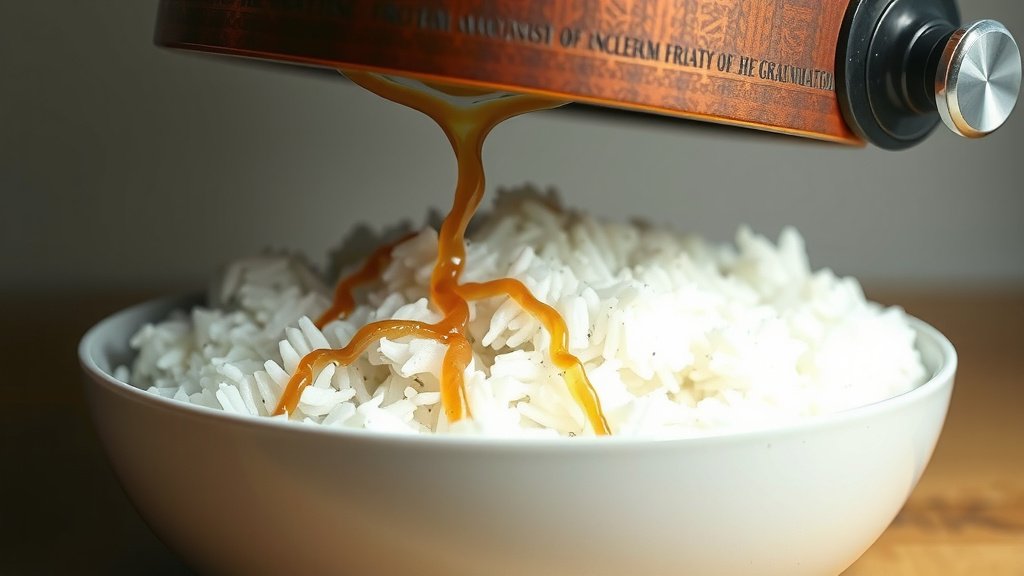
The main culprit behind rice sticking is the starch that escapes from the rice grains as they absorb water and heat up. Think of it like a natural glue. When this starchy water gets hot and thick, it can bond with the bottom of your pot, especially if it’s a direct heat source like a stovetop burner.
Understanding the Starch Factor
Rice grains are coated in a fine powder of starch. When you rinse rice, you remove some of this. But even so, as the rice cooks, it releases more starch into the cooking water. This creates that slightly milky or cloudy liquid you see in the pot.
This starchy liquid is your rice’s way of getting tender and fluffy. However, it also has a sticky quality. When this starch is exposed to sustained heat without enough moisture or movement, it caramelizes and forms a firm bond with the metal of your pot. It’s a bit like making rice pudding – the starch thickens the liquid beautifully. But for plain rice, it’s not the desired outcome.
The Role of Heat and Direct Contact
The intensity and duration of heat are huge factors. When rice sits directly on a hot burner for too long, the water at the bottom evaporates quickly. This leaves the starch-laden solids exposed to intense heat. This is where that delicious, but often stubborn, crust forms.
Imagine you’re trying to make caramel. You heat sugar and water until the water boils away, and the sugar transforms. Rice starch behaves a little like sugar under heat. When the water disappears from the bottom layer of the pot, the starch gets a concentrated dose of heat, leading to sticking and even burning.
Stovetop vs. Other Methods
Stovetop cooking presents the most common scenario for sticking. This is because the heat source is directly beneath the pot, offering a very focused and intense energy transfer. Electric rice cookers, on the other hand, often have a more diffused heat and a non-stick inner pot, which helps prevent this. Electric rice cookers, on the other hand, often have a more diffused heat and a non-stick inner pot, which helps prevent this.
Microwave cooking can also lead to sticking if the water distribution is uneven or if the cooking time is too long. You might find a dry, stuck layer in one spot and perfectly cooked rice elsewhere.
Rice Type Matters: The Starch Content Connection
Not all rice is created equal when it comes to starch. Some varieties are naturally stickier than others, making them more prone to clinging to your pot.
High-Starch Grains
Short-grain and medium-grain rice varieties, like Arborio (used for risotto) or Calrose, tend to have a higher amylopectin starch content. This type of starch is more prone to gelatinizing and becoming sticky. That’s why these rices are great for dishes where you want that creamy, bound texture.
When you cook these types of rice without proper attention, they’re more likely to form that adhered layer at the bottom. Their natural stickiness is a feature for certain cuisines, but a bug for simple steamed rice.
Low-Starch Grains
Long-grain rice, such as Basmati and Jasmine, typically has a higher amylose starch content. Amylose is less sticky than amylopectin. This is why these varieties are often preferred when you want distinct, fluffy grains that don’t clump together. They still release starch, but generally less of the super-sticky kind.
However, even these less-starchy types can stick if the cooking conditions aren’t right. It’s a matter of degree.
Key Factors in Preventing Rice Sticking
Now that you know why it happens, let’s talk about how to stop it. A few simple adjustments can make a world of difference in your rice-cooking game.
The All-Important Water-to-Rice Ratio
Getting this ratio right is absolutely critical. Too little water, and the rice won’t cook through properly, leading to dry, sticking grains. Too much water, and you might end up with mushy rice, though it’s less likely to stick aggressively. Getting this water-to-rice ratio right is absolutely critical for preventing sticking.
Most rice types have a recommended ratio, usually around 1:1.5 or 1:2 (rice to water). Always check the package instructions, as different grains have different needs. For example, brown rice typically requires more water and a longer cooking time than white rice.
We found that deviating even slightly from the recommended ratio can impact texture. For instance, a common guideline suggests 1 cup of white rice to 1.5 cups of water (USDA). Adjustments might be needed based on your stove’s heat and the age of your rice.
Rinsing Your Rice: A Starch Buster
Did you know rinsing your rice before cooking can help? This step removes excess surface starch. While it won’t eliminate starch entirely, it significantly reduces the amount that goes into your cooking water.
To rinse, place the rice in a fine-mesh sieve. Run cold water over it, gently swishing the grains with your fingers, until the water runs mostly clear. Many experts recommend this as a crucial step for preventing clumping and sticking (Harvard T.H. Chan School of Public Health).
Controlling the Heat: Simmering is Key
Once your rice comes to a boil, it needs to simmer gently. This means reducing the heat to low. You want the water to be at a slow bubble, not a rolling boil. A gentle simmer allows the rice to cook evenly without the water at the bottom boiling away too quickly.
Resist the urge to peek too often! Lifting the lid lets heat and steam escape, disrupting the cooking process. When you do check, look for the water to be mostly absorbed, not completely gone.
The Power of Rest and Steam
After the cooking time is up and the heat is turned off, don’t jump right in. Let your rice rest, covered, for about 10-15 minutes. This resting period is often overlooked but is vital.
During this time, the residual steam continues to cook the rice gently. It also allows moisture to redistribute evenly throughout the grains. This process helps achieve fluffy, separated rice and minimizes the chance of a sticky bottom layer. It’s like letting a steak rest after cooking – it makes a big difference!
Using the Right Pot and Heat Source
A heavy-bottomed pot is your friend when cooking rice on the stovetop. This type of pot distributes heat more evenly, reducing hot spots that can cause rice to scorch. Materials like stainless steel with an aluminum core or cast iron are excellent choices.
If you have a gas stove, a flame-tamer or a heat diffuser can be a lifesaver. These tools spread the flame’s heat before it hits the bottom of your pot, providing a gentler, more consistent temperature. Electric burners can be trickier, as they often have a more concentrated heat.
When Rice Still Sticks: Tips for Rescue
So, you’ve followed all the steps, but there’s still a bit of sticking. Don’t panic! Sometimes, a thin layer of perfectly toasted rice is actually delicious.
If you want to salvage the rice and the pot, let the pot cool down a bit first. Then, try gently scraping the bottom with a wooden spoon or spatula. For stubborn bits, add a tablespoon or two of water to the pot after it’s cooled slightly and let it sit for a few minutes. The moisture can help loosen the stuck-on rice. Avoid aggressive scrubbing while the pot is hot, as this can damage your cookware.
Here’s a quick checklist to keep your rice from sticking:
- Rinse your rice thoroughly before cooking.
- Use the correct water-to-rice ratio.
- Bring to a boil, then simmer on low heat.
- Keep the lid on during cooking and resting.
- Let the rice rest after cooking.
- Use a heavy-bottomed pot for even heating.
Conclusion
You’ve now seen that rice sticking to the bottom of your cooker isn’t a cooking curse, but a science lesson in starch and heat! Understanding how starches in rice behave when heated is key to fluffy, perfect grains every time. By minding your water-to-rice ratio, giving your rice a good rinse, and controlling your heat with a gentle simmer, you’ll conquer that sticky bottom.
Don’t let a little sticking discourage you. With these simple adjustments, you can consistently achieve rice that’s wonderfully separate and delicious. Your next pot of rice is just a few mindful steps away from perfection!
Frequently Asked Questions
Why does my rice always stick when I cook it on the stovetop?
Stovetop cooking often uses direct heat, which can cause the water at the bottom of the pot to evaporate too quickly. This concentrates the starches released by the rice, leading them to caramelize and stick to the pot. Using a heavy-bottomed pot and a heat diffuser can help distribute heat more evenly.
Is it bad if a little bit of rice sticks to the bottom?
A thin layer of stuck rice, sometimes called ‘socarrat’ in other cuisines, can be quite tasty and adds a nice texture. However, excessive sticking indicates the rice may have cooked too quickly or dried out at the bottom, potentially burning the rice rather than toasting it.
Does rinsing rice actually prevent it from sticking?
Yes, rinsing rice is very effective at preventing sticking. It removes excess surface starch from the grains. Less starch in the cooking water means less sticky residue to bond with the bottom of your pot.
Why does my rice cooker still make rice stick sometimes?
Even in rice cookers, rice can stick if the inner pot has a damaged non-stick coating or if you’re cooking a particularly starchy type of rice without rinsing. Overfilling the cooker can also sometimes lead to uneven cooking and sticking.
Can I fix rice that is already stuck to the bottom of the pot?
Yes, you can often rescue stuck rice. Let the pot cool slightly, then add a tablespoon or two of water and let it sit for a few minutes to help loosen the grains. Gently scrape with a wooden spoon or spatula once it’s loosened, avoiding harsh scrubbing that could damage your pot.