Where Does Rice Cooker Water Go? The Science Explained
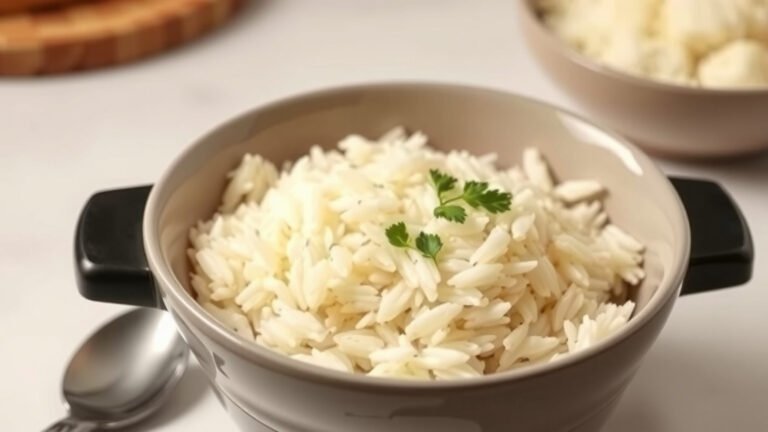
So, where does the water go in a rice cooker? It doesn’t magically disappear! Most of the water is absorbed by the rice and turned into steam. The remaining excess water is collected in a special tray or reservoir. This is how your rice cooker ensures perfectly cooked, fluffy rice every time. It’s a clever system designed for simplicity and great results. You can often remove this little tray to empty it after cooking. Our guide explains how a rice cooker works to manage water for perfect rice.
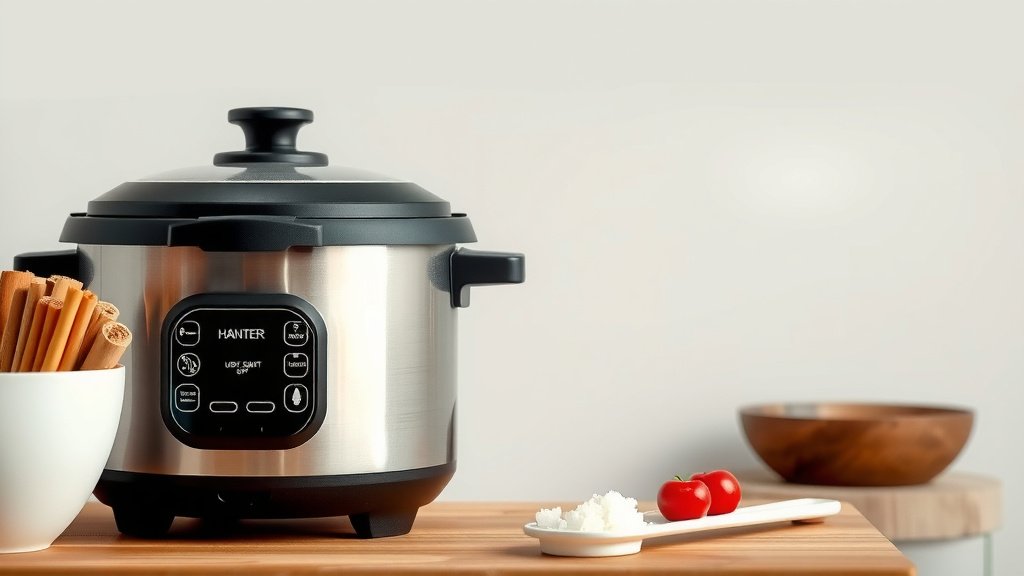
Rice cookers are pretty smart kitchen appliances. They manage the cooking process automatically. You add rice and water, close the lid, and the machine does the rest. It precisely controls temperature and timing. This process turns plain grains into delicious fluffy rice. You don’t have to babysit it like you would a pot on the stove. Many models even have a “keep warm” function.
- Water absorption is key.
- Steam helps cook the rice.
- Excess water goes into a separate tray.
- This system prevents mushy or burnt rice.
We found that understanding this simple process makes using your rice cooker even more satisfying. Let’s take a closer look at exactly how your rice cooker handles that water.
How Your Rice Cooker Manages Water During Cooking
Ever wonder what happens to all that water you pour into your rice cooker? It’s a fair question! Your rice cooker is designed to use that water efficiently. Most of it gets absorbed by the rice. Some turns into steam. A little bit might be left over. We found that understanding this helps you use your appliance better.
The Water Cycle Inside Your Rice Cooker
Absorption: The Rice Drinks Up
The primary role of the water is to hydrate the rice. Rice grains are like tiny sponges. They soak up water as they heat up. This absorption process softens the grains. It also helps them cook evenly from the inside out. You’ll notice the rice plumps up. This is a direct result of water absorption. Understanding the correct water-to-rice ratio is crucial for proper absorption.
Research shows that the amount of water absorbed depends on the type of rice. For example, white rice absorbs water differently than brown rice. Brown rice has a bran layer. This layer slows down water absorption slightly. It also means brown rice often needs a little more water and time to cook properly.
Steam: The Gentle Cooker
As the water heats, it turns into steam. This steam is trapped inside the rice cooker by the lid. Steam is an excellent conductor of heat. It surrounds the rice grains. This creates a moist environment. The steam gently cooks the rice from all sides. It ensures that every grain is cooked to perfection.
Think of it like steaming vegetables. The steam cooks them without making them soggy. Your rice cooker uses the same principle. The trapped steam is key to fluffy, evenly cooked rice. It prevents the rice from scorching on the bottom. This is a common problem with stovetop cooking.
Condensation and Drainage: Where the Excess Goes
Not all the water is absorbed or becomes steam. Some steam will inevitably condense back into water. This happens on the cooler surfaces inside the cooker. Most modern rice cookers have a clever way to manage this. They direct this condensed water away from the rice.
This is often where you’ll find a small collection tray or a drip cup. This component is usually located at the base of the cooker or just under the lid. It catches any excess water. This prevents the cooked rice from becoming too wet or mushy. We found this feature to be incredibly useful. It’s a simple design that makes a big difference in rice texture.
The Removable Drip Tray
Many rice cooker models have a drip tray that you can easily remove. This is super convenient. After cooking, you can take it out and empty any collected water. This helps keep your cooker clean. It also prevents water from leaking out when you open the lid.
Some manufacturers suggest emptying this tray after each use. We found this to be good practice. It stops old water from sitting there. It also prevents any lingering odors from developing. It’s a small step that contributes to a better cooking experience overall.
The Role of the Rice Cooker’s Design
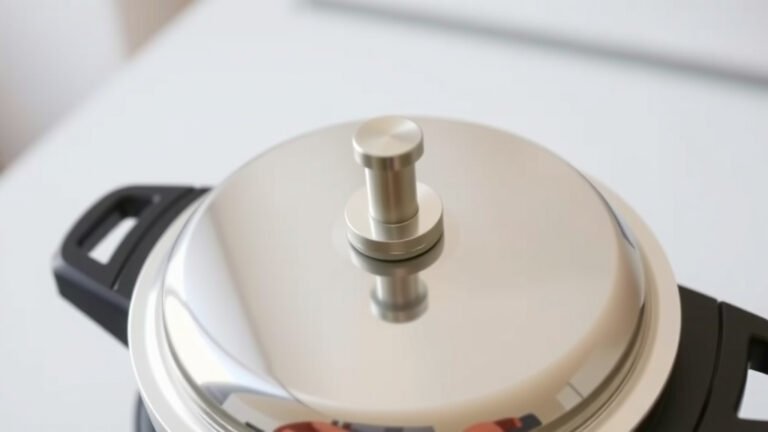
The shape of the inner pot and the lid design play a role. The inner pot is usually rounded. This shape helps distribute heat evenly. The lid creates a tight seal. This traps the steam effectively. Some lids have a small vent. This allows a tiny amount of excess steam to escape. This prevents pressure from building up too high.
We found that the quality of the lid seal is important. A good seal means more efficient steaming. It helps maintain the perfect cooking temperature. It also means less water is lost to the outside. This leads to better results in your rice bowl.
Different Rice Cooker Types and Water Handling
While the basic principles are the same, some advanced rice cookers have unique features. These can affect how water is managed. Let’s look at a few.
Basic Electric Rice Cookers
These are your standard models. They have a heating element at the base. They operate using a simple thermostat. The water is absorbed and used for steaming. Any excess collects in the drip tray. They are straightforward and reliable.
Induction Heating (IH) Rice Cookers
IH rice cookers use electromagnetic coils. These heat the inner pot directly. This allows for more precise temperature control. Some IH models have advanced settings. They can adjust water levels or cooking cycles. They aim for even better texture. The water management is still based on absorption and steam, but the control is finer.
Pressure Cooker Rice Cookers
These models cook rice under pressure. This speeds up the cooking time. The pressure forces water into the rice grains. This can result in a different texture. The water management system is similar. However, the higher pressure can affect steam dynamics. They often have robust safety features to handle the pressure.
Troubleshooting Common Water-Related Issues
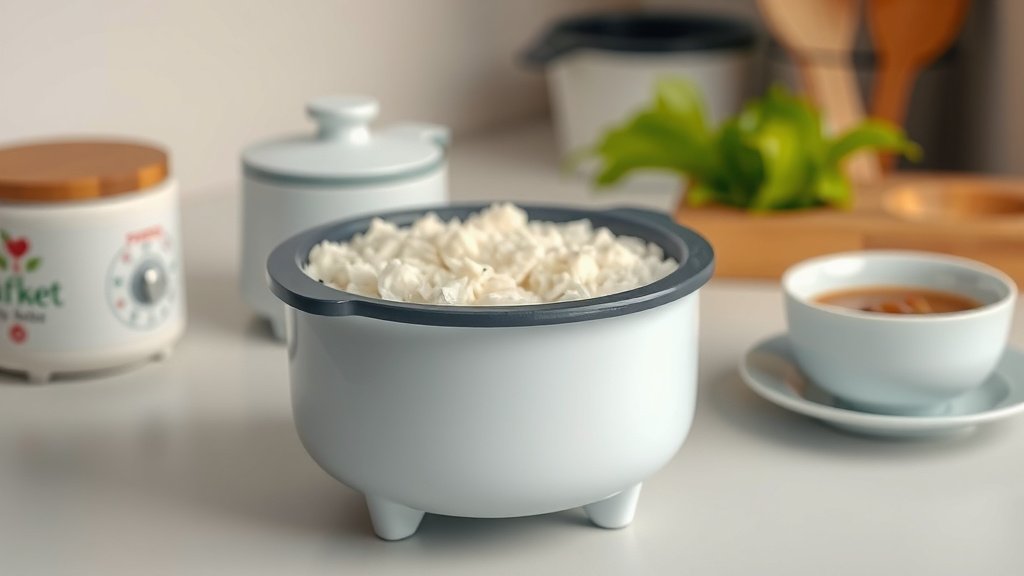
Sometimes, things don’t go as planned. If your rice is too wet or too dry, it might be a water issue.
Rice Too Wet or Mushy
This usually means there was too much water. It could also be that the lid wasn’t sealed properly. This allowed steam to escape too early. Or, the drip tray might have been overflowing. We found that using the correct water-to-rice ratio is critical. Always follow the instructions for your specific rice type.
Rice Too Dry or Hard
This suggests not enough water was used. Alternatively, the water may have evaporated too quickly. This can happen if the lid isn’t secure. Make sure you are measuring your rice and water accurately. We found that using the measuring cup that came with your cooker is best. It’s calibrated for that specific model.
A Quick Water Checklist for Perfect Rice
Let’s recap how to ensure your rice cooker uses water perfectly:
- Always use the correct water-to-rice ratio.
- Measure ingredients carefully using the provided cup.
- Ensure the lid is properly closed and sealed.
- Check that the steam vent is clear of debris.
- Empty the drip tray after cooking if your model has one.
- Select the correct rice setting on your cooker.
By understanding how your rice cooker handles water, you can achieve consistently delicious results. It’s a simple process, but it’s what makes these appliances so effective. Happy cooking!
Conclusion
You’ve learned that your rice cooker cleverly manages water through absorption and steam. The rice itself drinks up most of the water, plumping up beautifully. Steam then gently cooks every grain, ensuring a perfect texture. Any leftover condensation is neatly collected in a drip tray, keeping your rice just right. This simple, effective system is why rice cookers are so reliable. For your next perfect bowl, always double-check your water-to-rice ratio and ensure the lid is sealed tight!
Frequently Asked Questions
How much water should I actually put in my rice cooker?
The amount of water depends on the type and amount of rice you are cooking. Always refer to the markings inside your rice cooker’s inner pot or the instructions that came with it. We found that using the included measuring cup is the most accurate way to get it right.
Can I use any kind of water in my rice cooker?
For the best results and to prevent mineral buildup, it’s generally recommended to use filtered or distilled water. Tap water can sometimes leave deposits over time. Your rice will taste best with clean, pure water.
What if I forget to empty the drip tray?
If you forget to empty the drip tray, it might overflow during the cooking process. This could lead to extra moisture around your cooked rice or even water leaking out. We found that a quick check and empty after each use keeps things tidy and prevents messes.
Does the type of rice affect how much water is absorbed?
Yes, different types of rice absorb water differently. Brown rice, for instance, has a bran layer that slows absorption. This is why brown rice often requires more water and a longer cooking time than white rice. Always check the package for specific instructions.
Can I just use hot water instead of cold water in my rice cooker?
While some people do use hot water to speed up the process, cold or room temperature water is generally recommended. Cold water allows for a more controlled and gradual heating of the rice. This promotes even cooking and better texture. We found that sticking to the recommended water temperature gives the most consistent results.