Cooker Hood Placement: The Ideal Spot for Your Kitchen
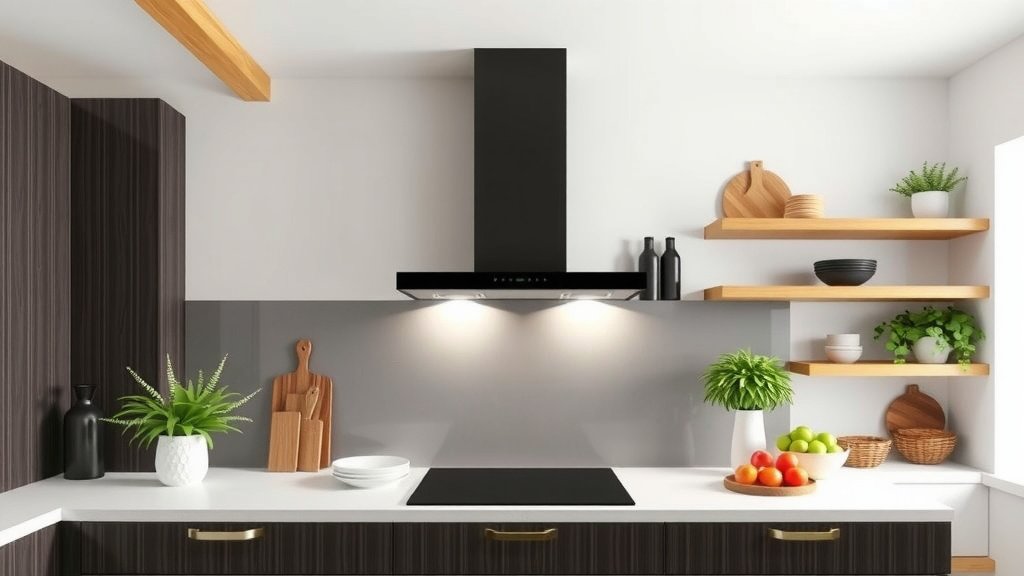
The ideal spot to position your cooker hood is directly above your cooktop, typically between 24 and 36 inches from the surface. This placement ensures it can effectively capture smoke, grease, and odors right as they’re produced. Getting the Our guide explains what a cooker hood is and how it functions.height and alignment correct is key for efficient kitchen air purification.
Many factors influence the perfect placement, including your cooktop’s type and your kitchen’s layout. Ensuring adequate clearance is vital for both safety and performance. We found that a well-positioned hood significantly improves air quality and reduces cleanup. Getting this right means a more pleasant cooking experience.
- Hood placement is above the cooktop.
- Height matters: 24-36 inches is common.
- Consider your cooktop type for best results.
- Proper alignment captures fumes effectively.
- Good placement means cleaner air.
Let’s walk through the essential guidelines for positioning your cooker hood to get the most out of it.
Finding the Perfect Spot for Your Range Hood
Positioning your range hood correctly is key for a fresh-smelling kitchen. You want it to work hard for you. The goal is to capture smoke, grease, and cooking odors before they spread. We found that the sweet spot is generally right above your cooktop. This direct approach helps it do its job most effectively.
Understanding the Standard Placement Guidelines
Most kitchen designs follow a common set of rules for hood placement. These aren’t just random ideas. They are based on how well the hood can actually **pull in air**. We researched these guidelines to give you the best advice.
The Ideal Height Range
The distance between your cooktop and the bottom of the hood matters a lot. For most standard hoods, the ideal height is typically between 24 and 36 inches. This range allows the hood to effectively draw in the cooking fumes. It also keeps it far enough away to be safe from heat. Think of it as giving the hood enough breathing room to work its magic. Too low, and it might be a safety hazard. Too high, and it won’t catch everything. We found that sticking within this 24-36 inch window is a good starting point for most setups.
Width and Depth Considerations
Beyond height, the hood’s size relative to your cooktop is important. Ideally, the hood should be at least as wide as your cooktop. Some people even prefer a hood that’s a few inches wider. This extra width helps catch fumes that might drift to the sides. The depth of the hood also plays a role. A deeper hood can capture more air. We found that matching or slightly exceeding the cooktop’s width ensures better fume capture across the entire cooking surface.
Factors Influencing Your Specific Hood Position
While standard guidelines are helpful, your kitchen is unique. Several factors can affect where your hood should go. It’s not a one-size-fits-all situation. We looked into what makes each kitchen different.
Cooktop Type: Gas vs. Electric vs. Induction
The type of cooktop you have can influence the ideal hood height. Gas cooktops tend to produce more heat and grease than electric or induction models. This means they might need a slightly different placement. Many experts suggest that gas cooktops may require the hood to be placed a bit higher within the standard range. This provides an extra safety buffer against direct heat. Electric and induction cooktops generally produce less heat. You might be able to position the hood a little lower in the 24-36 inch range. We found that consulting your cooktop’s manual is always a smart move here.
Vented vs. Recirculating (Ductless) Hoods
The way your hood handles air is a big factor. Vented hoods, also called ducted hoods, send air outside your home through ductwork. These need careful installation to ensure proper airflow. Recirculating hoods, on the other hand, filter the air and send it back into your kitchen. Their placement requirements are often more flexible. However, their effectiveness can depend heavily on the filter quality and regular maintenance. We found that vented hoods generally offer We found that vented hoods generally offer superior air purification compared to recirculating models.superior air purification compared to recirculating models.
Kitchen Layout and Cabinetry
Your kitchen’s layout can also dictate placement. If you have standard upper cabinets, the hood will likely fit within that row. Some kitchens feature custom cabinetry or unique architectural elements. These might require special mounting solutions. You need to ensure there’s enough clearance for both the hood itself and for you to safely use your cooktop. We found that measuring carefully and planning around existing cabinets is essential for a smooth installation.
Ensuring Safety and Performance
Placing your hood is not just about aesthetics; it’s crucial for safety and performance. Incorrect placement can lead to inefficient cleaning and potential hazards. We want your kitchen to be both beautiful and safe.
Clearance for Safety and Airflow
Safety is always the top priority. You need to make sure there’s adequate clearance around the hood. This prevents fire hazards and allows air to flow freely. Most manufacturers provide specific clearance requirements in their installation manuals. These are based on rigorous testing. Always refer to these guidelines. We found that insufficient clearance is a common mistake that can **compromise safety**. Ensure there’s enough space above your cooktop for the hood’s capture area and that nearby flammable materials are kept clear.
The Importance of Proper Alignment
Aligning the hood directly over the cooktop is more important than you might think. If the hood is off-center, it won’t capture all the cooking fumes. Imagine trying to sweep a floor with a broom that’s too small; you’ll miss spots. A properly aligned hood covers the entire cooking surface. This ensures that smoke, steam, and odors are drawn upwards effectively. We found that centering the hood over your cooktop, or slightly wider if the hood is larger, provides the best capture efficiency.
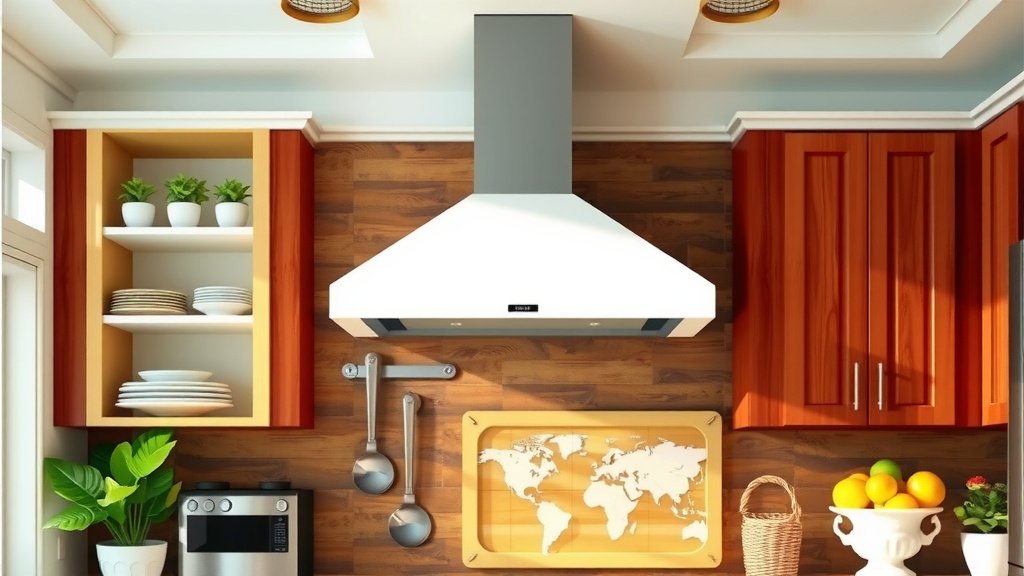
A Quick Checklist for Your Cooker Hood Placement
To wrap things up, here’s a simple checklist to help you confirm your cooker hood is positioned correctly:
- Confirm the hood is centered above your cooktop.
- Verify the height is within the manufacturer’s recommended range (often 24-36 inches).
- Ensure there’s adequate clearance from heat sources and nearby cabinets.
- Check that the hood is at least as wide as your cooktop.
- Review your cooktop and hood manuals for specific installation requirements.
- Consider if your kitchen layout requires any special adjustments.
Conclusion
You’ve learned that placing your cooker hood correctly is essential for a clean and fresh kitchen. Remember, the sweet spot is typically 24 to 36 inches above your cooktop. Matching the hood’s width to your cooktop, considering your specific cooktop type like gas versus electric, and understanding if you have a vented or recirculating model all play a role. Prioritizing proper alignment and clearance ensures both safety and peak performance. Now that you have this information, your next step is to measure carefully and consult your appliance manuals before installation.
Frequently Asked Questions
What happens if my cooker hood is too high?
If your cooker hood is positioned too high, its ability to effectively capture smoke, grease, and odors will be significantly reduced. This means you’ll likely notice more lingering smells and grease buildup in your kitchen, even after cooking. You might find yourself cleaning surfaces more often.
Can I place the cooker hood closer than 24 inches?
Placing the cooker hood closer than 24 inches is generally not recommended. This is often too close to the heat generated by your cooktop, creating a potential fire hazard. It can also make cleaning the hood more difficult and may not allow for proper airflow.
Does the type of cooktop really affect hood placement?
Yes, the type of cooktop can influence hood placement. Gas cooktops produce more heat and grease, so they might benefit from being a bit higher within the recommended range for safety. Electric and induction cooktops typically produce less direct heat, offering a little more flexibility in height.
How important is it for the hood to be the same width as my cooktop?
It’s very important. Ideally, your cooker hood should be at least as wide as your cooktop. A hood that’s too narrow won’t capture fumes that drift to the sides of your pots and pans. We found that a wider hood offers better overall capture efficiency.
What if my kitchen layout makes standard placement difficult?
If your kitchen layout or cabinetry presents challenges, you may need to explore specialized mounting solutions. Some custom hoods or installations in unique spaces might require professional advice. Always ensure you maintain adequate clearance and proper alignment to the best of your ability.