Gas vs Electric Cooker: Which is the Best Choice for You
Deciding between a gas or electric cooker can feel like a big kitchen decision. Many home cooks find that gas cooktops offer superior heat control, letting you make quick temperature adjustments for precise cooking. Electric cooktops, especially induction, can heat up faster and offer a smoother, easier-to-clean surface. It really depends on your cooking style and priorities.
Your choice impacts everything from meal prep time to your kitchen’s energy use. We’ve looked into what makes each type stand out. Gas offers that classic flame-kissed sear, while electric, particularly induction, boasts energy efficiency and modern convenience. Think about what matters most to your daily culinary adventures, whether it’s instant control or a sleek finish.
- Gas gives you great temperature control for fast adjustments.
- Electric, especially induction, heats up quickly and is easy to clean.
- Consider your personal cooking habits when choosing.
- Both have pros and cons for Consider a dual fuel cooker, which offers the best of both worlds with a gas stovetop and electric oven.energy efficiency and cost.
Let’s break down the key differences to help you figure out which cooker is the perfect fit for your kitchen.
Gas Versus Electric Cookers: What’s the Better Choice for Your Kitchen?
Choosing between a gas and an electric cooker is a decision that can genuinely change how you cook. Both have passionate fans, and for good reasons! We’ve looked into what makes each type tick, so you can feel confident in your choice. Let’s get started.
Understanding Gas Cookers: The Flame’s Appeal
Gas cookers use natural gas or propane to create an open flame. This flame heats your cookware directly. Many home chefs love the instantaneous heat control that a gas flame offers. You can turn the dial, and the heat changes immediately. This makes it easier to switch from a rapid boil to a gentle simmer in seconds.
Pros of Gas Cooking
The biggest draw for many is the precise temperature adjustment. If you’re searing a steak or making a delicate sauce, that immediate feedback from the flame is a game-changer. You can physically see the flame adjust, giving you a visual cue. Many also find that gas cooktops allow for a more even distribution of heat around the bottom of the pan. This can help prevent hot spots. Plus, if you’re used to cooking with gas, the transition is easy. The visual cue of a gas flame can be helpful for some cooks when adjusting heat.
Cons of Gas Cooking
Cleaning a gas cooktop can be more challenging. You have grates to remove and burners to clean around. Food spills can easily get trapped in these areas. Gas cooktops also require a gas line hookup, which might not be available in all homes. There’s also the safety aspect; an open flame always carries a small risk. Many experts also point out that gas cookers release small amounts of nitrogen oxides and carbon monoxide into your home, which can affect indoor air quality (Environmental Protection Agency).
Exploring Electric Cookers: From Coils to Induction
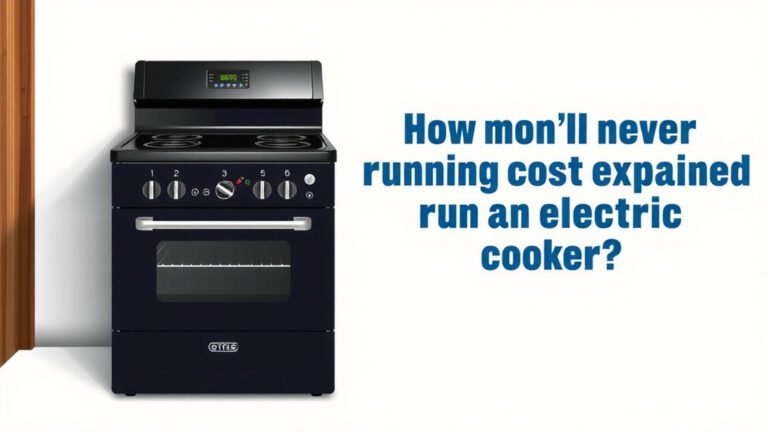
Electric cookers use electricity to generate heat. There are a few main types: traditional coil, smooth ceramic glass (radiant), and induction. Each heats up differently and offers unique benefits.
Traditional Electric Coil Cooktops
These are the most basic electric cooktops. They have exposed metal coils that heat up when electricity passes through them. They are generally very affordable to purchase. However, they take a while to heat up and cool down. Cleaning them involves wiping around the coils, which can be a bit fiddly.
Smooth Ceramic Glass Cooktops (Radiant)
These look sleeker than coil tops. Underneath the smooth glass surface are heating elements that glow red when hot. They heat faster than coils and offer a flat, easy-to-clean surface. Spills wipe up easily, which is a big plus for busy kitchens. However, they still have a noticeable lag time in temperature changes compared to gas or induction.
Induction Cooktops: The Modern Marvel
Induction is a bit different. It uses electromagnetism to heat the cookware directly. There’s no glowing red element; the cooktop itself doesn’t get very hot. This makes it incredibly energy-efficient and safe. Pans heat up almost instantly, and temperature adjustments are quick. You do need to use magnetic cookware (like cast iron or stainless steel), and they can be the most expensive option upfront.
Pros of Electric Cooking (Overall)
Electric cooktops, especially induction, are known for their speed and efficiency. Induction, in particular, heats water much faster than gas, saving you time. They also provide a smoother cooking surface, making cleanup a breeze. Safety is another big win, especially with induction, as the surface stays relatively cool. Many models offer precise digital temperature settings for accurate cooking.
Cons of Electric Cooking (Overall)
The main drawback for many is the lag in temperature response. While induction is fast, traditional electric tops can feel sluggish when you need to make quick heat changes. If you’re used to the visual cue of a gas flame, the lack of it on electric tops can take some getting used to. Also, while induction is efficient, the upfront cost can be high. Radiant electric cooktops can also be prone to scratching if you’re not careful.
Comparing Key Features: Gas vs. Electric at a Glance
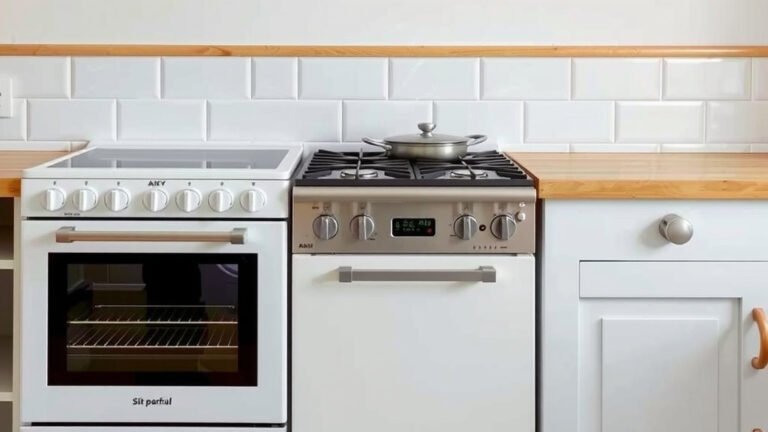
To help you see the differences clearly, let’s put some of the main points side-by-side. We found this comparison helpful:
| Feature | Gas Cooker | Electric Cooker (Radiant/Induction) |
|---|---|---|
| Temperature Control | Excellent, instant visual feedback. | Good to excellent (Induction); Slower response (Radiant). |
| Heating Speed | Heats up quickly. | Heats up quickly (Induction); Slower (Radiant/Coil). |
| Cleaning Ease | More difficult, grates and burners. | Easy, smooth surface (Radiant/Induction). |
| Cookware Needs | Works with most cookware. | Magnetic cookware needed for Induction; Most cookware for Radiant. |
| Energy Efficiency | Less efficient, some heat escapes. | More efficient (Induction especially). |
| Installation | Requires gas line. | Requires electrical outlet. |
Making Your Final Decision: What Matters Most to You?
So, which one is truly better? The answer really boils down to your personal cooking style and priorities. Think about what you cook most often and how you like to cook it. Do you crave that visual control of a flame? Gas might be your best bet. Do you want a sleek, easy-to-clean surface and faster boiling times? Electric, especially induction, could be perfect.
Consider Your Cooking Habits
If you frequently sear meats, make delicate sauces, or do a lot of stir-frying where quick heat adjustments are key, the instant response of gas might win you over. If you often boil water for pasta, make soups, or prefer a more streamlined cooking experience with minimal cleanup, electric, particularly induction, is incredibly appealing.
Energy Use and Costs
From an energy standpoint, induction cooktops are typically the most efficient. They transfer most of their energy directly to the pan, minimizing heat loss. Gas cookers lose more heat to the surrounding air. Over time, this can affect your utility bills. However, the upfront cost of an induction cooktop can be significantly higher than a gas or radiant electric model.
Kitchen Setup and Safety
Do you already have a gas line in your kitchen? If so, installing a gas cooker might be simpler and cheaper. If not, running a new gas line can be costly. All electric cookers just need a standard electrical outlet, though high-powered induction units may require a specific amperage circuit. For households with children or pets, the cooler surface of induction offers an added layer of safety.
Quick Checklist for Your Decision:
- Do you prioritize instant heat control?
- How important is easy cleaning to you?
- Are you willing to buy new cookware for induction?
- What is your budget for the appliance?
- What is your current kitchen setup (gas line available)?
- How much do you value energy efficiency?
Conclusion
You’ve weighed the pros and cons, and now the decision between gas and electric cookers is clearer. Remember, there’s no single “better” option; it’s about what fits your life. Gas offers immediate flame control for the tactile cook. Electric, especially induction, provides a sleek, efficient, and easy-to-clean experience. Consider your cooking style, budget, and kitchen setup. Take a moment to review the checklist we provided. Your ideal cooker awaits, ready to enhance your culinary adventures!
Frequently Asked Questions
Which type of cooker is generally safer?
Electric cooktops, particularly induction models, are generally considered safer. They don’t use an open flame, and induction surfaces remain relatively cool to the touch, reducing the risk of burns. Gas cookers, while safe with proper use, do involve an open flame.
Is gas or electric more expensive to run?
While electricity prices vary, induction electric cooktops are typically the most energy-efficient, meaning they can be cheaper to run in the long term. Gas cookers can lose more heat to the surrounding air, potentially making them less efficient overall, but the cost of natural gas versus electricity can influence this.
Do I need special pots and pans for an electric cooker?
For traditional radiant electric cooktops and coil tops, most standard cookware will work fine. However, induction cooktops require magnetic cookware. This means your pots and pans must be made of materials like cast iron or magnetic stainless steel that a magnet will stick to.
Which cooker is better for a beginner cook?
For many beginners, electric cooktops might offer a slightly gentler learning curve due to their predictable heating. Induction, in particular, offers quick heat and easy cleaning, which can be very forgiving. However, the visual feedback of gas can also be helpful for those learning to gauge heat levels.
How does indoor air quality relate to gas versus electric cookers?
Research indicates that gas cookers can release combustion byproducts like nitrogen oxides and carbon monoxide into your home. Electric cooktops do not produce these emissions, which can contribute to better indoor air quality. Ensuring good ventilation is always recommended, especially when using gas appliances.