Best Cooker for Families: Top Picks for 2026
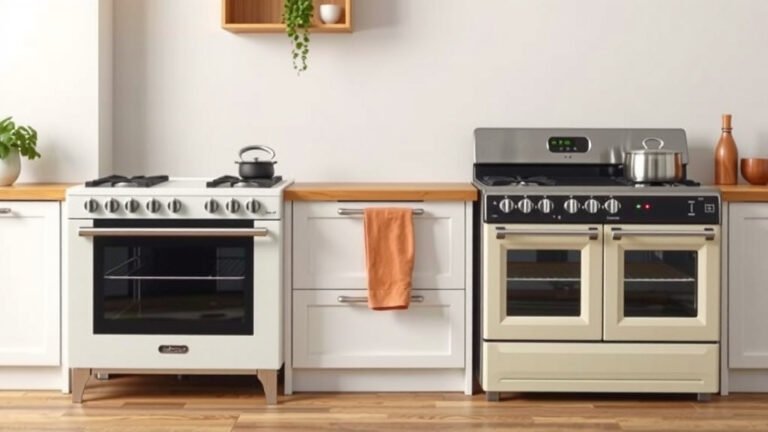
Choosing the best cooker for your family often comes down to finding a balance between functionality and budget. For many households, a gas range offers precise temperature control and instant heat, making it a popular choice for quick meals. If you prefer consistent, even heating and a sleek look, an electric induction hob is a fantastic, energy-efficient option, though it requires compatible cookware. Many families also find success with versatile dual fuel ranges, combining gas cooktops with electric ovens.
When considering your family’s needs, think about meal frequency and complexity. Do you bake a lot or just need to boil water quickly? We found that ease of cleaning is a major factor for busy parents. Also, safety features, like oven lockouts, can provide peace of mind. Your lifestyle will truly guide you to the ideal cooker.
- Gas ranges excel at quick temperature changes.
- Electric induction offers even heating and energy savings.
- Dual fuel combines the best of both gas and electric.
- Consider cleaning convenience and safety features.
- Your family’s cooking habits are key to the best choice.
Let’s walk through what makes each type a great fit, so you can confidently pick the right cooker for your home.
Finding Your Family’s Perfect Cooker Match
Deciding which cooker best suits your family means looking at how you actually use your kitchen. We’ve researched the main types to help you make a confident choice. Your family’s cooking habits and lifestyle will guide you to the right appliance. Let’s break down the popular options so you can see what works for you.
The Power of Gas: Speedy, Responsive Cooking
Gas cookers are a long-time favorite for many reasons. They offer instant heat right when you turn the knob. This means you can quickly adjust the flame from a rolling boil to a gentle simmer in a flash. This responsiveness is fantastic for dishes that need precise temperature control. Learn how to adjust your gas cooker flame for precise temperature control in our guide.
Why Families Love Gas Cooktops
We found that parents often appreciate the visible flame. You can see exactly how high or low the heat is. This visual cue helps prevent scorching or undercooking. Plus, if your power goes out, you can still cook on a gas stove with a match or lighter (though check your model’s instructions).
Potential Downsides of Gas
Gas cooktops can be harder to clean. Food spills can get stuck in the grates and around the burners. Many newer models have sealed burners, which make cleanup much easier. You’ll also need a gas line to your kitchen, which might be a factor if you’re renovating or building.
Electric Induction: The Modern, Efficient Choice
Electric induction cooktops are gaining popularity, and for good reason. They use magnetic fields to heat your cookware directly. This makes them incredibly energy-efficient. The cooktop itself doesn’t get as hot, which can be a great safety feature for families with young children.
Speed and Precision on Induction
Induction is surprisingly fast. It can boil water much quicker than traditional electric or even some gas stoves. We discovered that the temperature control is very precise, similar to gas, but with electric accuracy. This makes it excellent for delicate sauces or candy making.
What You Need for Induction
The main requirement for induction is compatible cookware. Your pots and pans need to be magnetic. You can test this by seeing if a magnet sticks to the bottom of your cookware. If it does, it’s likely induction-ready. Many modern sets are designed with induction in mind.
Ease of Cleaning Induction
Cleaning an induction cooktop is generally a breeze. Since the surface doesn’t get as hot, spills are less likely to bake on. A simple wipe-down with a damp cloth usually does the trick. Many families find this aspect a huge time-saver.
Dual Fuel Ranges: The Best of Both Worlds
A dual fuel range gives you the best features of both gas and electric. You get a gas cooktop for all its responsiveness and a powerful electric oven for consistent baking. This combination is ideal for those who want versatility in their cooking.
Why Families Opt for Dual Fuel
Many culinary enthusiasts and busy parents choose dual fuel. They love the instant heat and visual control of gas burners for stovetop cooking. Then, for baking cookies or roasting a chicken, the electric oven provides even, stable temperatures. We found that this is often seen as the ultimate cooking machine.
Considering a Dual Fuel Range
Dual fuel ranges are typically larger and more expensive than single-fuel models. You’ll also need both a gas line and an electrical connection in your kitchen. Installation can be more involved. But for families who cook a lot, the investment often pays off in performance and flexibility.
Key Features for Family-Friendly Cookers
Beyond the type of fuel, several features can make a cooker truly family-friendly. Safety is, of course, a top concern for parents. We looked at features that offer peace of mind during everyday cooking.
Safety First Features
Many modern cookers come with safety lockouts for oven doors. This prevents little hands from opening the oven while it’s hot. Some gas cooktops have flame failure devices. If the flame goes out, the gas supply is automatically shut off. This is a critical safety improvement.
Ease of Use and Cleaning
Think about how much time you spend cleaning your kitchen. Cookers with smooth surfaces and removable grates are easier to maintain. Self-cleaning oven functions can also be a lifesaver. We found that intuitively designed controls also make cooking less stressful for everyone.
Capacity and Size Matters
Consider the size of your family and how often you cook large meals. Do you need multiple oven racks? A spacious cooktop with plenty of burners? Many ranges come in standard widths, but interior oven capacity can vary. Make sure the size fits your needs and your kitchen space.
Here’s a quick checklist to help you narrow down your choice:
- Do you prefer instant heat control (gas)?
- Is energy efficiency a high priority (induction)?
- Do you need the versatility of both (dual fuel)?
- How important is easy cleaning to you?
- What safety features offer you peace of mind?
- Does the size and capacity meet your family’s cooking demands?
Conclusion
Choosing the best cooker for your family is about matching your lifestyle to the right features. We’ve explored how gas offers speed and control, induction provides efficiency and safety, and dual fuel blends the best of both. Consider how often you cook, what you make, and how important cleaning and safety are to you. Your perfect cooker is out there – now you have the information to find it. Take this knowledge and make a confident choice for your kitchen!
Frequently Asked Questions
Which type of cooker is easiest to clean?
Electric induction cooktops are generally the easiest to clean. Their smooth, flat surfaces don’t get as hot as traditional electric or gas, so spills are less likely to bake on. A quick wipe down is usually all that’s needed.
Is a gas or electric cooker better for a beginner cook?
For beginners, gas can be more forgiving due to its visible flame and instant heat adjustments, which help in learning temperature control. However, some find induction’s precise control and fewer hot surfaces equally user-friendly for starting out.
Do I need special pots and pans for an induction cooker?
Yes, you do need magnetic cookware for an induction cooktop to work. You can test your existing pots and pans by seeing if a magnet sticks to the bottom. If it does, they are likely induction-ready.
Are gas cookers safe for homes with children?
Modern gas cookers offer safety features like flame failure devices that shut off the gas if the flame goes out. Oven door lockouts are also common on many models, providing extra peace of mind for families with young children.
How much space do I need for a dual fuel range?
Dual fuel ranges typically come in standard widths, similar to other cookers, but they are often larger appliances overall. You’ll need to ensure you have both a gas line connection for the cooktop and an electrical outlet for the oven.