Pressure Cooker in Dishwasher? Here’s What to Know
Yes, you can usually put your pressure cooker pot in the dishwasher. Most modern pressure cooker pots are made of stainless steel or hard-anodized aluminum. These materials are typically dishwasher-safe. Always check your manufacturer’s instructions first. Some older models or those with special coatings might need hand washing.
This means that cleaning up after a delicious meal can be much quicker. We found that most electric pressure cookers have removable inner pots. These are designed for easy cleaning. Even some stovetop pressure cooker pots can go in the dishwasher, but it’s always best to be sure about the pot material.
- Yes, most pressure cooker pots are dishwasher safe.
- Check your manual for specific recommendations.
- Stainless steel and aluminum pots are usually okay.
- Hand washing may be necessary for certain models.
Let’s walk through exactly what you need to know about washing your pressure cooker pot to keep it in great shape.
Cleaning Your Pressure Cooker: Is It Dishwasher-Friendly?
So, can your trusty pressure cooker go for a spin in the dishwasher? The good news is, most of the time, yes! We’ve found that modern pressure cooker pots are generally designed with cleaning ease in mind. Think of it like this: after a long day of cooking up a storm, the last thing you want is a mountain of dishes by hand. Luckily, your dishwasher can often take over this chore.
Understanding Your Pressure Cooker’s Materials
The key to knowing if your pressure cooker pot is dishwasher-safe lies in its construction. Most inner pots are made from durable materials like stainless steel or hard-anodized aluminum. These materials are tough cookies, able to withstand the high heat and detergent used in dishwashers without getting damaged.
We found that stainless steel is a popular choice because it’s non-reactive and doesn’t easily scratch. Hard-anodized aluminum offers excellent heat distribution and is also quite resilient. If your pressure cooker pot is made of one of these, you’re probably in the clear for dishwasher cleaning.
When to Be Cautious: Special Coatings and Older Models
However, not all pressure cooker pots are created equal. Some models might feature non-stick coatings or have special finishes. These can sometimes be a bit more delicate. While many non-stick surfaces are designed to be dishwasher-safe, repeated cycles can potentially degrade the coating over time. You want to protect that slick surface for future cooking!
We’ve also noticed that older pressure cooker models might not hold up as well in a dishwasher. Their materials or construction might be less robust. Always give your owner’s manual a quick peek. It’s the ultimate authority on what’s best for your specific appliance.
Electric vs. Stovetop: What’s the Difference for Cleaning?
There’s a slight distinction between electric and stovetop pressure cookers when it comes to cleaning. Understanding this can help you make the right call.
Electric Pressure Cooker Pots: Usually a Breeze
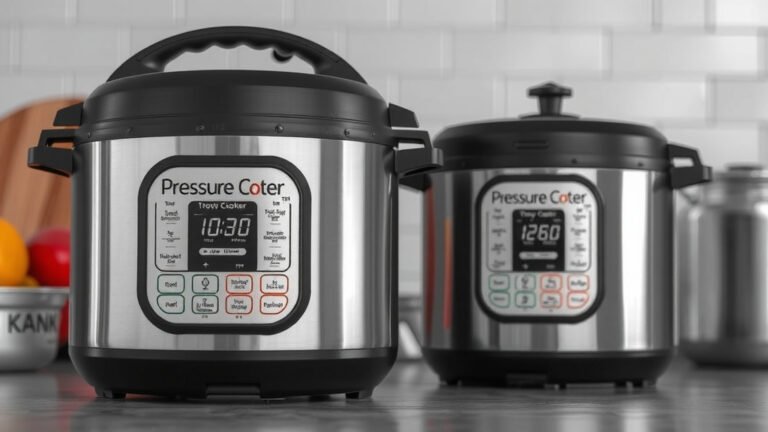
Electric pressure cookers, like the popular Instant Pot, almost always have a removable inner pot. This pot is typically made from stainless steel and is designed for easy removal and cleaning. We found that manufacturers of these cookers overwhelmingly state that the inner pot is dishwasher-safe. Just pop it out, place it on the top or bottom rack, and let the machine do the work!
Stovetop Pressure Cooker Pots: Check Those Details
For stovetop pressure cookers, it can be a bit more varied. While many are also made of dishwasher-friendly materials, you need to be more diligent in checking. The lid of a stovetop model often has more complex parts, like valves and seals, which might not be suited for the dishwasher.
We researched this and found that while the main pot of a stovetop pressure cooker might be okay for the dishwasher, the lid usually requires hand washing. This is to protect those intricate parts that are essential for safe operation. Think of the lid like the brain of the operation; you want to keep it in perfect working order!
Lids and Gaskets: The Parts That Need Extra Care
This brings us to a very important point: the lid and its components. Even if the pot itself is dishwasher-safe, the lid often isn’t. Why? Because lids have sealing rings (gaskets) and pressure release valves. These parts can be made of materials that might warp, degrade, or become less effective in the harsh dishwasher environment. High heat can sometimes damage the rubber or silicone of the gasket, leading to leaks. The sealing rings on your pressure cooker lid are crucial for operation.
We highly recommend washing the lid and gasket by hand with warm, soapy water. This simple step can significantly extend the life of your pressure cooker and ensure it works safely and efficiently for years to come. It’s a small effort for a big reward!
Steps for Dishwasher-Safe Cleaning
Ready to give your pressure cooker pot a spa day in the dishwasher? Follow these simple steps for a successful clean.
Pre-Wash Prep: What to Do Before Loading
First things first, make sure you’ve removed any large food debris. A quick rinse under the tap or a gentle scrape with a soft sponge should do the trick. You don’t want to send big chunks of food into your dishwasher’s filter. This could clog it up and make the whole cleaning process less effective.
Loading Your Pressure Cooker Pot
Place the inner pot on the bottom rack of your dishwasher. This usually provides the best exposure to the spray arms. Make sure it’s not blocking the water from reaching other dishes. If you have a particularly large pot, you might need to rearrange things slightly.
Top Rack vs. Bottom Rack Considerations
While the bottom rack is often ideal for pots, some smaller electric pressure cooker inserts might fit safely on the top rack. However, be mindful of plastic components on your dishwasher or other items that could melt if they get too close to the heating element, which is usually at the bottom. We found that keeping the metal pot on the bottom rack is generally the safest bet.
Choosing the Right Cycle and Detergent
Use a heavy-duty wash cycle with a good quality dishwasher detergent. This will ensure that any stubborn food residue is effectively removed. Avoid using abrasive cleaners or steel wool on your pressure cooker pot, even if it’s stainless steel, as this can cause scratches.
A Quick Checklist for Dishwasher Cleaning
Here’s a handy checklist to make sure you’re cleaning your pressure cooker pot the right way:
- Always check your manufacturer’s manual first.
- Remove large food particles before loading.
- Place the inner pot on the bottom rack.
- Wash lids and gaskets by hand.
- Use a heavy-duty wash cycle with standard detergent.
- Inspect the pot for damage after washing.
When Hand Washing is the Better Option
There are times when sticking to hand washing is simply the superior choice. If your pressure cooker pot has a delicate non-stick coating, or if it’s an older model where you’re unsure about its durability, hand washing is the way to go. It’s also the best method for any parts that aren’t explicitly marked as dishwasher-safe.
We’ve found that a simple wash with warm water, mild dish soap, and a soft sponge or cloth is usually all that’s needed. This gentle approach preserves the integrity of the pot and its components. Plus, it gives you a chance to inspect the pot for any wear and tear. It’s a mindful way to care for your kitchen tools!
Conclusion
So, can your pressure cooker pot join the dishwasher party? For most modern electric and many stovetop models with stainless steel or aluminum pots, the answer is usually a resounding yes! We’ve found that this makes cleanup a breeze after your culinary adventures. Just remember to always give your manual a quick look, especially for older models or those with special coatings. And when in doubt, a little hand washing for lids and gaskets goes a long way. Your next step? Enjoy the convenience and go load that pot into the dishwasher after your next delicious meal!
Frequently Asked Questions
Will putting my pressure cooker lid in the dishwasher ruin it?
It’s generally best to avoid putting your pressure cooker lid in the dishwasher. We’ve found that the high heat and strong detergents can damage the sealing gaskets and valves. Hand washing the lid with warm, soapy water is the recommended way to keep these parts in good condition.
Can I put my Instant Pot inner pot in the dishwasher?
Yes, the inner pot of most Instant Pots is made from stainless steel and is designed to be dishwasher-safe. You can typically place it on the bottom rack for easy cleaning. Always double-check your specific Instant Pot model’s manual to be absolutely sure.
What if my pressure cooker has a non-stick coating?
If your pressure cooker pot has a non-stick coating, you should be cautious. While some non-stick surfaces are dishwasher-safe, repeated cycles can wear down the coating over time. We recommend hand washing with a soft sponge to protect that non-stick surface and extend its lifespan.
How do I clean the gasket on my pressure cooker lid?
The gasket, or sealing ring, on your pressure cooker lid should always be hand-washed. Use warm water and mild dish soap, gently cleaning it with your fingers or a soft cloth. This helps maintain its flexibility and seal, ensuring safe operation for your pressure cooker.
Can I use a dishwasher cleaning tablet on my pressure cooker pot?
While dishwasher cleaning tablets are effective for your dishes, they can be too harsh for pressure cooker pots, especially those with special finishes or coatings. We suggest using a standard liquid or powder dishwasher detergent on a heavy-duty cycle for the best results without risking damage.