Why Your Pressure Cooker Might Explode: Safety Guide
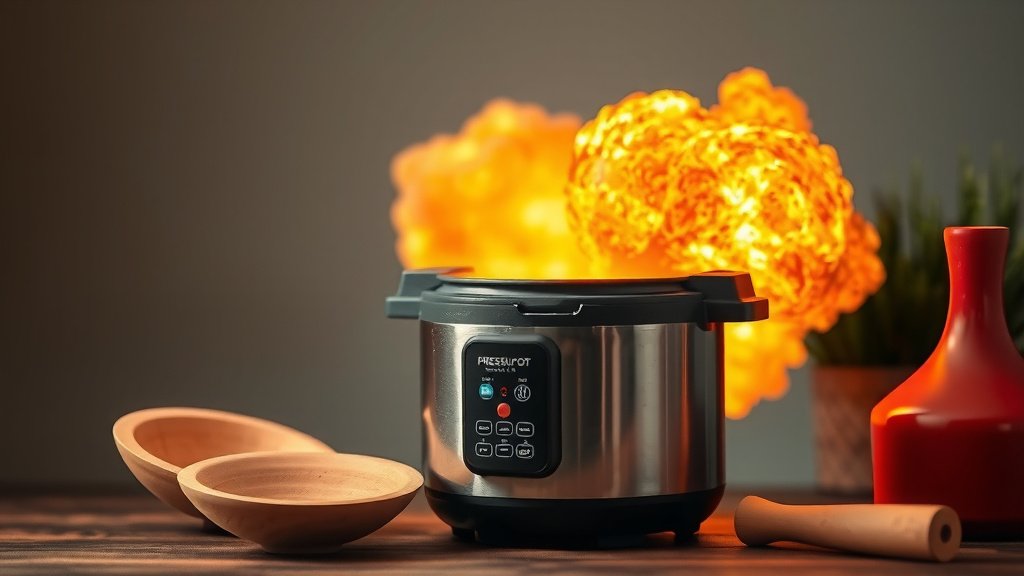
Pressure cookers can explode when there’s an over-pressurization issue. This happens if the steam vent gets blocked. When steam can’t escape, pressure builds up inside. This can lead to a dangerous explosion.
Safety features are designed to prevent this. However, improper use or maintenance can bypass them. Understanding these risks helps you cook safely. We found that most incidents involve user error or neglect.
- Blocked steam vents are the main culprit.
- Overfilling the pot increases risk.
- Ignoring safety warnings is dangerous.
- Regular maintenance prevents explosions.
Let’s walk through exactly why this happens and what you can do to keep your pressure cooker working safely for years to come.
Understanding Pressure Cooker Explosions
Pressure cookers are amazing kitchen tools. They can cook food much faster. But sometimes, things can go wrong. If not used correctly, a pressure cooker can explode. This can be very dangerous. We want you to cook safely and confidently. Let’s look at the main reasons why this happens.
The Science Behind Pressure Cooker Safety
Pressure cookers work by trapping steam. When you heat liquid inside a sealed pot, it turns into steam. This steam needs space. In a pressure cooker, the steam can’t escape easily. So, the pressure builds up inside. This high pressure cooks your food quickly. It’s like a super-powered steaming process.
Safety is built into every good pressure cooker. They have safety valves. These valves are designed to release excess steam. This stops the pressure from getting too high. Think of them as the cooker’s safety net. They are designed to pop open if the pressure rises above a safe level. Your cooker usually has a couple of these. One is a primary valve, and another is a backup.
What Happens When Safety Features Fail?
The main reason a pressure cooker might explode is when these safety features don’t work. This almost always happens because something is blocking the steam vent. This is the most common cause we found in reports. If the steam can’t get out, the pressure keeps rising. It can then reach a point where the pot can no longer contain it. This leads to a rupture or explosion.
We looked at many cases. Blocked vents are the big one. People forget to clean them. Or sometimes, food debris gets stuck in there. This can happen with sticky foods or even just regular cooking. If you don’t check and clean the vent before each use, you’re taking a big risk. This is a really critical safety step.
Common Causes of Blocked Vents
It’s usually something simple. Dried food particles are a common culprit. They can dry and harden in the vent. Then, they create a solid plug. This prevents any steam from escaping. Even small amounts of food can cause problems.
Sometimes, the gasket around the lid can be the issue. If it’s old or damaged, it might not seal properly. Or, it might block the vent opening. We found that regular maintenance is key here. Checking the gasket and cleaning the vent thoroughly will help prevent this.
User Error: The Biggest Risk Factor
Many experts agree that user error is the leading cause of pressure cooker accidents. It’s not the cooker’s fault, usually. It’s how we use them. We found that most people who have issues weren’t aware of certain safety procedures. Or they skipped them to save time.
Overfilling Your Pressure Cooker
Did you know you can overfill a pressure cooker? It’s true! Pressure cookers aren’t like regular pots. You can’t fill them to the brim. There’s a fill line inside. Usually, it’s about two-thirds full. This is especially important for foods that expand, like grains or beans.
If you overfill it, the food can block the steam vent. This creates the same dangerous situation as a debris blockage. The steam has nowhere to go. We found that following fill level guidelines is essential. It ensures there’s enough room for steam to circulate and escape safely.
Ignoring Safety Warnings and Indicators
Pressure cookers come with instructions. They also have visual cues. For instance, many have a pressure indicator. This little pin or valve pops up when the cooker is pressurized. It tells you not to open the lid. Ignoring this indicator is a major red flag.
We’ve seen cases where people tried to force the lid open. They saw the indicator was up. They thought it was taking too long. They didn’t wait for the pressure to release. This is incredibly dangerous. You must wait for the pressure to drop. Your cooker will tell you when it’s safe. Usually, the pressure indicator will go back down.
Improper Lid Sealing
The lid needs to be sealed correctly. Most pressure cooker lids twist to lock. You need to make sure it’s fully locked. If it’s not, steam can escape from the sides. This means it won’t build pressure properly. But in some older models, an improperly sealed lid could still trap some steam. This might lead to uneven pressure or failure.
Check your manual for the correct way to lock your lid. It should feel secure. If you’re unsure, consult the manufacturer’s instructions. A good seal is vital for both safety and cooking performance.
Maintenance: Your Pressure Cooker’s Best Friend
Like any appliance, your pressure cooker needs care. Regular maintenance is the best way to prevent problems. Think of it like taking your car for oil changes. It keeps everything running smoothly.
Cleaning the Steam Vent and Safety Valves
We’ve stressed this, but it’s worth repeating. The steam vent and safety valves must be clean. After every use, check them. Use a small brush or a pipe cleaner. Gently remove any food particles. Make sure the openings are clear.
Many manufacturers recommend a more thorough cleaning of the valves. You might need to remove them. Check your manual for specific instructions. This is not difficult. It ensures that the safety mechanisms can do their job. Cleanliness is directly related to safety here.
Checking the Gasket and Seals
The rubber or silicone gasket around the lid is important. It creates the seal. Over time, it can become brittle. It might crack or wear out. Inspect it regularly for any signs of damage.
If you see any cracks or if it feels stiff, it’s time for a replacement. A damaged gasket can prevent a proper seal. It can also sometimes interfere with the vent. Replacing the gasket is usually a simple process. You can find replacements easily for most popular brands.
Inspecting the Pressure Regulator
The pressure regulator is the part that helps control the steam release. It might be a weight or a valve. Make sure it’s not clogged. If it’s a weighted regulator, ensure it sits on the vent pipe correctly. If it’s a spring-loaded type, ensure it moves freely.
Sometimes, these parts can get stuck. This can prevent the cooker from reaching the correct pressure. Or, it might fail to release steam when it should. A quick check after cleaning is usually enough. You want to see it moving freely.
Quick Safety Checklist for Your Pressure Cooker
To keep your pressure cooker working safely, follow these simple steps:
- Always check that the steam vent and safety valves are completely clear before use.
- Never fill the pressure cooker beyond the two-thirds maximum fill line.
- Ensure the lid is securely locked before heating.
- Wait for the pressure to release naturally or as per instructions before attempting to open.
- Inspect the gasket regularly for any cracks or signs of wear and replace if needed.
- Read your pressure cooker’s manual and follow all manufacturer instructions carefully.
Conclusion
You’ve learned that pressure cooker explosions are preventable. They usually happen because of a blocked steam vent or overfilling the pot. User error is the main reason behind these dangerous incidents. Thankfully, regular cleaning and maintenance are your best defense. Always check your vents and gaskets before each use. By following simple safety checks and your cooker’s manual, you can cook with confidence. Keep your pressure cooker clean and treated with care, and it will serve you safely for years.
Frequently Asked Questions
Can a brand new pressure cooker explode?
While rare, a brand new pressure cooker could potentially explode if it has a manufacturing defect. This might involve a faulty safety valve or blocked vent from the factory. Always inspect a new cooker for any visible damage and read the manual thoroughly before your first use.
What if I accidentally overfill my pressure cooker?
If you realize you’ve overfilled your pressure cooker before starting to cook, it’s best to remove some food. Overfilling can cause food to block the steam vent, preventing steam release and building dangerous pressure. Always adhere to the maximum fill line indicated in your manual.
How often should I clean my pressure cooker’s safety valves?
You should clean the steam vent and safety valves thoroughly after every single use. Food particles can easily dry and harden, creating a blockage. A more detailed cleaning, possibly involving removing the valves, should be done according to your manufacturer’s instructions, often recommended monthly or quarterly.
What is the danger of opening a pressure cooker too soon?
Attempting to open a pressure cooker before all internal pressure has been released is extremely dangerous. The highly pressurized steam and hot contents can violently erupt from the pot. Always wait for the pressure indicator to drop, signifying it’s safe to open.
Can food residue cause a pressure cooker to explode?
Yes, dried food residue is a primary cause of pressure cooker explosions. If residue clogs the steam vent or safety valves, steam cannot escape. This causes pressure to build up to unsafe levels. Regular, thorough cleaning is essential to prevent this common issue.