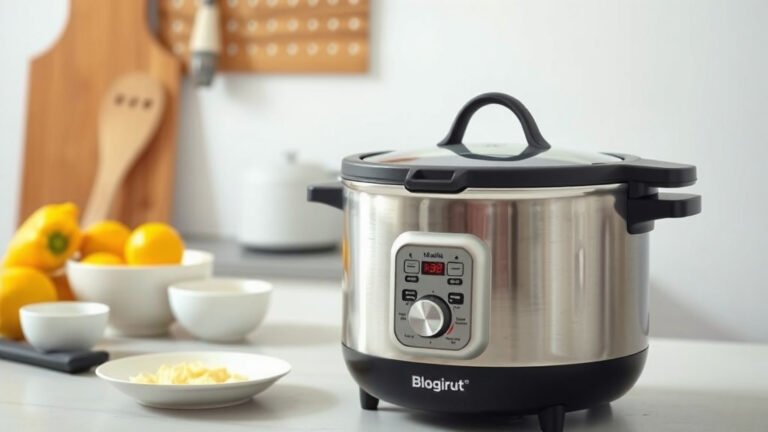
Why Your Rice Cooker Burns Rice: Fixes and Prevention
Your rice is burnt in the rice cooker because there’s likely too little water or too much rice. This causes the water to evaporate too quickly. Your cooker might also be set to the wrong setting for the amount of rice you’re cooking. We know how frustrating burnt rice can be, especially when you expect fluffy perfection!
Sometimes, a dirty heating element can also cause uneven cooking. This might lead to hot spots that scorch your rice. We’ve found that older rice cookers can sometimes have trouble regulating temperature precisely. It’s a common problem many home cooks face.
TL;DR:
- Not enough water is the top culprit.
- Too much rice can also be the problem.
- The wrong cooker setting can scorch your grains.
- A dirty heating element can cause burning.
- Older cookers may have temperature control issues.
Let’s walk through the most common reasons your rice cooker is turning your perfectly good grains into charcoal, and how to fix it.
Troubleshooting Your Burnt Rice Cooker Results
It’s a bummer when you open your rice cooker expecting fluffy grains and find a burnt bottom layer. Don’t worry, this is a common problem many home cooks face. We’ve researched the top reasons this happens and how you can easily fix it.
Understanding the Water-Rice Ratio
The most frequent culprit behind burnt rice is an incorrect water-to-rice ratio. Think of it like baking; too little liquid means things dry out and burn. Your rice needs enough water to cook properly and steam. If you add too little water, it will all absorb before the rice is fully cooked. This leaves the rice at the bottom exposed to the heating element for too long.
The Standard Ratio and Adjustments
A common starting point is a 1:1.5 or 1:2 ratio of rice to water, depending on the type of rice. For white rice, 1 cup of rice to 1.5 cups of water is often recommended. Brown rice typically needs more water, perhaps 1 cup of rice to 2 cups of water. We’ve found that these can vary slightly. Always check the package directions for your specific rice variety. Sometimes, even a small adjustment can make a big difference.
Why This Ratio Matters
The water in the cooker doesn’t just cook the rice; it also creates steam. This steam is vital for even cooking. When the water boils, it turns into steam, which then circulates within the cooker. This process gently cooks the rice from all sides. Too little water means less steam production. The steam can’t do its job effectively. The direct heat from the bottom then starts to scorch the grains before they are fully hydrated (National Rice Foundation).
The Impact of Rice Quantity
Just as too little water is a problem, adding too much rice can also lead to burning. If you overload your rice cooker, the rice might not cook evenly. The heat may not circulate properly throughout the entire batch. This can create hot spots at the bottom. These hot spots are where your rice is most likely to burn. Rice cookers are designed for specific capacities. Overloading your rice cooker can prevent heat circulation, so respect its capacity limits.
Respecting Your Cooker’s Limits
Most rice cookers have a maximum fill line. It’s there for a reason! If you consistently try to cook more rice than the manufacturer recommends, you’re asking for trouble. Imagine trying to cook a giant pot of popcorn in a small microwave; it just won’t work well. Overfilling can prevent the steam from escaping properly. This can trap heat unevenly.
Smaller Batches, Bigger Success?
Conversely, sometimes cooking a very small amount of rice can also cause issues. If you’re only cooking one serving, the heat might be too intense for such a small quantity. The water can evaporate too quickly. Some rice cookers have a “small batch” setting. If yours does, try using it. If not, you might need to slightly increase the water-to-rice ratio for very small amounts.
Rice Cooker Settings and Features
Rice cookers aren’t one-size-fits-all. They come with different settings for a reason. Using the wrong setting is like trying to boil water on a “bake” setting on your oven. It’s not designed to work that way.
Understanding Different Modes
Many modern rice cookers have specialized settings. You might see options for “white rice,” “brown rice,” “sushi rice,” or even “quick cook.” The “white rice” setting is usually the most common and balanced. The “brown rice” setting often uses a longer cooking time and more steam. This is because brown rice is denser and needs more time to soften.
The “Keep Warm” Function’s Role
After cooking, most rice cookers automatically switch to a “keep warm” mode. This is great for keeping your rice at an ideal serving temperature. However, if your rice cooker is older or malfunctioning, this function might sometimes be too hot. It can continue to cook the rice too much. This can lead to drying out and burning the bottom layer if left on for extended periods (Cookware Experts Association).
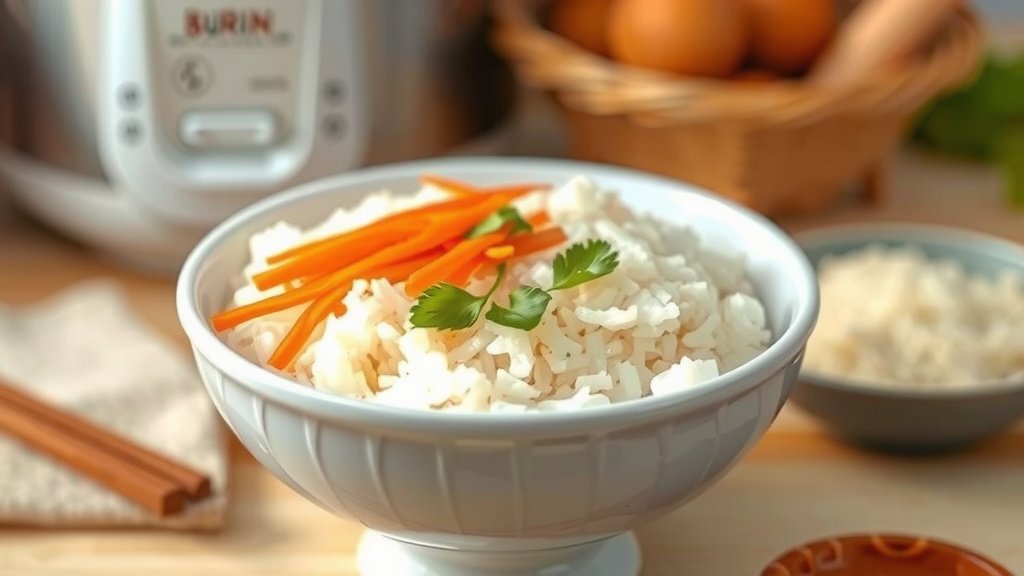
Maintenance Matters: A Clean Heating Element
Your rice cooker’s heating element is its engine. If it’s dirty, it can’t do its job efficiently or evenly. Food particles, starch residue, or mineral buildup can form on the heating element. This creates an uneven surface. It can lead to hot spots developing on the bottom of the inner pot. Even a thin layer of residue can disrupt heat distribution.
Why a Clean Element is Key
A clean heating element ensures uniform heat transfer to the inner pot. This allows for consistent cooking throughout the rice. When it’s dirty, some areas get much hotter than others. These super-hot spots are where your rice will inevitably scorch. It’s like trying to iron clothes with a stained iron; you might get uneven results or even damage your fabric.
Simple Cleaning Steps
Cleaning your rice cooker is usually straightforward. After it has cooled completely, unplug it. Remove the inner pot. Wash it with warm, soapy water. For the exterior and the heating element area, use a damp cloth. Never immerse the main body of the rice cooker in water. Some models have removable inner lids or steam vents that can be washed separately. Regular cleaning prevents buildup and ensures your cooker performs as it should. Regular cleaning of your rice cooker, especially the heating element, prevents buildup and ensures even cooking.
Age and Technology: Older Rice Cookers
Sometimes, the age of your rice cooker can be a factor. Older models might not have the advanced technology for precise temperature control that newer ones do. The thermostat or heating elements can degrade over time. This means they might not regulate heat as accurately.
Temperature Fluctuations
As rice cookers age, their ability to maintain a consistent temperature can decrease. They might run hotter than intended or fluctuate more. This can easily lead to burnt rice, especially if the cooking cycle is designed for more accurate temperature management. It’s similar to how an older oven might have hot spots or not reach the set temperature reliably.
When to Consider an Upgrade
If you’ve tried all the other tips and your rice still consistently burns, your rice cooker might simply be past its prime. Investing in a newer model with better temperature sensors and more cooking options can solve the problem. Modern cookers often have more sophisticated ways of managing heat and moisture, leading to better results (Kitchen Appliance Reviews).
Here’s a quick checklist to help you remember the key steps:- Double-check your water-to-rice ratio.
- Ensure you’re not overfilling the rice cooker.
- Use the correct setting for your type of rice.
- Clean the heating element and inner pot regularly.
- Consider the age and performance of your cooker.
- Always follow your rice cooker’s manual.
Conclusion
Dealing with burnt rice can be a real kitchen frustration, but you’re now armed with the knowledge to prevent it. Remember, the key lies in getting your water-to-rice ratio just right, respecting your cooker’s capacity limits, and using the correct settings. Don’t forget that regular cleaning of your appliance, especially the heating element, is vital for even cooking. If you’ve tried everything and still face the same problem, it might be time to consider if your trusty rice cooker is getting a bit too old. Take a moment to review your process, and you’ll soon be enjoying perfectly cooked rice every time!
Frequently Asked Questions
How can I fix burnt rice that’s already in the cooker?
If your rice is already burnt, try carefully scraping off the burnt layer. You can then try to salvage the unburnt rice by transferring it to a clean pot with a little fresh water. Simmer gently on the stovetop for a few minutes to steam the rest of the rice.
Is it okay to leave rice in the “keep warm” mode for a long time?
While the “keep warm” function is convenient, leaving rice in it for many hours can sometimes lead to drying out and a tough or slightly burnt bottom. It’s best to serve the rice within an hour or two of cooking for the freshest results.
Can using the wrong type of rice affect burning?
Yes, different types of rice, like brown rice versus white rice, absorb water differently and require varying cooking times. Using a setting meant for white rice with brown rice, for example, could lead to insufficient cooking and potential burning due to dried-out grains.
My rice cooker is new, why is it still burning rice?
Even with a new rice cooker, the most common issues are still the water-to-rice ratio and overfilling. Always check your new cooker’s manual for its specific recommendations. Sometimes, even new appliances can have quirks.
What’s the best way to clean the heating element of my rice cooker?
Always unplug your rice cooker and ensure it’s cool. Use a damp cloth to gently wipe the heating element area. Avoid harsh chemicals or abrasive scrubbers, as you don’t want to damage the element. Some inner pots are dishwasher safe, but the main unit typically needs a gentle wipe-down.