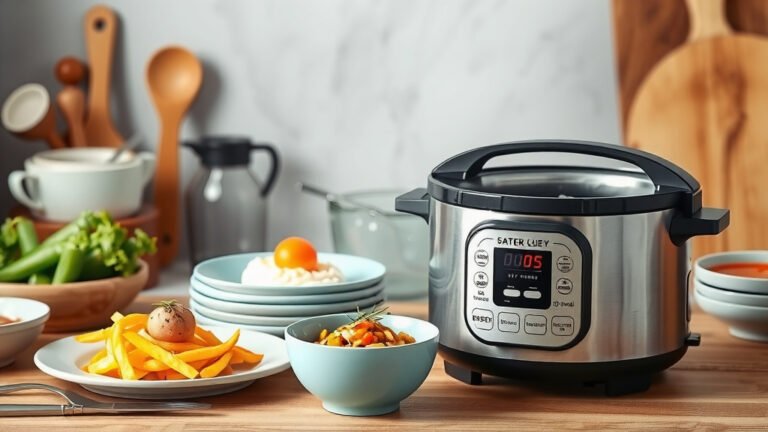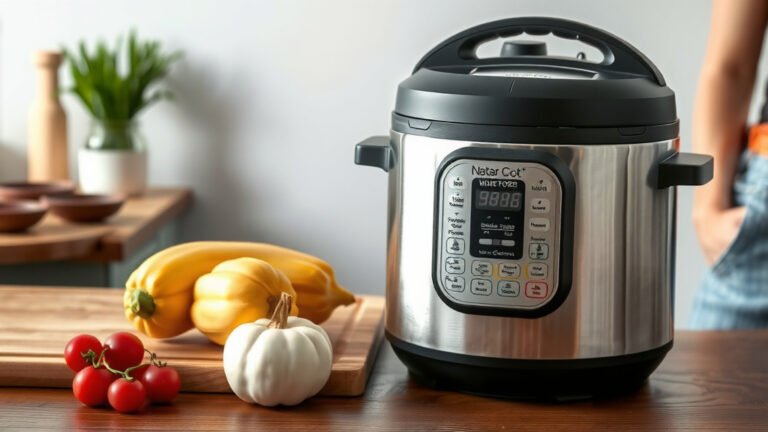
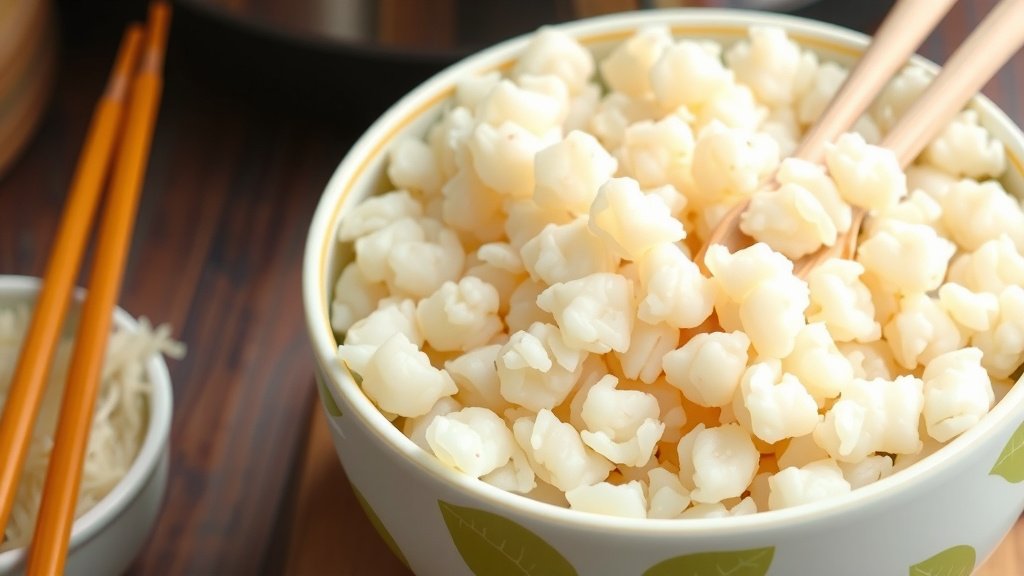
Rice Cooker Sticky Rice: Causes and Solutions
Your rice is likely sticky in the rice cooker because of the starch released from the grains. When rice cooks, especially certain types like short-grain varieties, the outer layer of starch dissolves in the water. This creates a naturally sticky texture, which is often desired for dishes like sushi. So, sticky rice is usually a sign that you’ve cooked your rice correctly for many recipes!
This stickiness comes from the amylopectin content in the rice. Different rice types have varying amounts of this starch. For instance, sushi rice is bred to have higher levels of amylopectin, making it naturally clingy. Understanding your rice type can help you manage the final texture. Some methods, like rinsing rice thoroughly, can reduce excess surface starch.
- Sticky rice is normal due to released starch.
- Amylopectin content makes rice clingy.
- Sushi rice is naturally stickier.
- Rinsing can reduce excess stickiness.
Let’s look closer at why your rice cooker might be producing sticky results and how you can adjust it if needed. We’ll cover the science behind it and some simple tips.
“`htmlUnderstanding Why Your Rice Cooker Makes Sticky Rice
So, your rice cooker is turning out rice that’s a bit… clingy? Don’t worry, it’s a common experience. This stickiness isn’t usually a sign of a faulty appliance. Instead, it’s often a clue about the rice itself and how it interacts with water during cooking. We’re going to break down the science behind it so you can understand your rice cooker and get the texture you’re aiming for.
The primary reason rice becomes sticky is the release of starch. Think of it like this: when rice grains are heated in water, their outer layers soften and release this starchy goodness. This is especially true for certain types of rice. The amount of starch released dictates how gooey or separate your grains will be when they’re done.
The Starch Factor: Amylose vs. Amylopectin
Rice starch is made up of two main components: amylose and amylopectin. The balance of these two greatly influences the final texture of your cooked rice. Understanding this is key to managing stickiness.
Amylopectin: The Stickiness Agent
Amylopectin is a highly branched type of starch. When heated in water, it leaches out from the rice grains and thickens the cooking liquid. This thickening is what creates that characteristic clingy texture. Rice varieties bred for stickiness, like sushi rice, have a higher proportion of amylopectin.
Amylose: The Separating Factor
Amylose, on the other hand, is a more linear starch molecule. It dissolves more slowly and doesn’t contribute as much to stickiness. Rice types with higher amylose content tend to be fluffier and more separate when cooked, like basmati or jasmine rice. Your rice cooker simply cooks the rice; it doesn’t change the rice’s natural starch composition.
Rice Type Matters More Than You Think
The type of rice you put into your cooker is a huge determinant of its final texture. A rice cooker’s job is to cook rice perfectly, but it can’t change the fundamental properties of the grain itself. This is why knowing your rice is half the battle.
Short-Grain and Medium-Grain Rice
These varieties, especially those labeled for sushi, are naturally high in amylopectin. This makes them perfect for rolling into sushi because they stick together. If you’re using these for other purposes, expect a stickier result. This is by design!
Long-Grain Rice
Long-grain rice, such as basmati or jasmine, typically has more amylose. This leads to a lighter, fluffier, and more separated grain. While some stickiness is still present, it’s far less pronounced than with short-grain varieties. If your long-grain rice is coming out overly sticky, we’ll look at why that might be next.
| Rice Type | Common Varieties | Amylose/Amylopectin Balance | Typical Texture |
|---|---|---|---|
| Short-Grain | Sushi Rice, Arborio (for risotto) | High Amylopectin | Very Sticky, Clingy |
| Medium-Grain | Calrose, Valencia | Balanced Amylopectin & Amylose | Moderately Sticky |
| Long-Grain | Basmati, Jasmine | High Amylose | Fluffy, Separate Grains |
The Role of Rinsing (Or Not Rinsing!)
How you prepare your rice before it goes into the cooker can significantly impact its texture. Rinsing is a step many people skip, but it can make a big difference in reducing stickiness.
Why Rinsing Reduces Stickiness
When rice is milled, a fine powder of surface starch can cling to the grains. This is essentially ready to dissolve and contribute to stickiness. Rinsing your rice under cold water helps wash away this excess surface starch. Many experts recommend this step, especially for types of rice you want to be more separate (National Grain and Feed Association).
When Not to Rinse
Some rice products, like enriched rice, may have added vitamins and minerals that can be washed away. Also, for recipes where you *want* that sticky texture, like certain puddings or congees, you might skip rinsing or rinse very lightly. So, the decision to rinse often depends on the desired outcome.
Water-to-Rice Ratio is Key
Getting the water ratio right is perhaps the most critical step in cooking rice perfectly, regardless of your appliance. Too much water can lead to mushy, overly sticky rice. Too little water can result in undercooked, hard grains.
Standard Ratios and Adjustments
A common starting point for white rice is a 1:1.5 or 1:2 ratio of rice to water. However, this can vary by rice type and even the age of the rice. Check the package instructions for your specific rice. Your rice cooker might also have measurement lines inside the pot to guide you. If your rice is consistently too sticky, try reducing the amount of water by a tablespoon or two.
How Your Rice Cooker Helps (and Doesn’t)
Modern rice cookers are designed to manage the cooking process, including evaporation. They typically have sensors to detect when the water has been absorbed. However, they can’t compensate for a fundamentally incorrect water-to-rice ratio that you’ve measured out. Your careful measurement is still essential for them to work their magic.
Troubleshooting Common Rice Cooker Issues
Beyond the rice itself, a few other factors can play a role. Let’s address them so you can achieve rice perfection.
Cleanliness of the Inner Pot
Is there any leftover residue from previous cooking? A dirty inner pot might not distribute heat evenly, or bits of old starch could contribute to a less-than-ideal texture. Always clean the inner pot thoroughly after each use. A simple wash with soap and water usually does the trick.
The Age and Storage of Your Rice
Older rice can sometimes become drier and require a bit more water. Conversely, rice stored in humid conditions might absorb moisture and need slightly less. Storing rice in airtight containers in a cool, dry place is best practice to maintain its quality and predictable cooking behavior.
Quick Checklist for Perfect Rice Texture
Here’s a quick rundown to help you nail your rice texture every time:
- Know your rice type: Is it short, medium, or long-grain?
- Rinse your rice: Unless the package says not to, wash away excess starch.
- Measure carefully: Use the right water-to-rice ratio.
- Adjust for consistency: If too sticky, use a tad less water next time.
- Clean your cooker: Ensure the inner pot is spotless.
- Store rice properly: Airtight containers keep it fresh.
Conclusion
It’s completely normal for rice to be sticky in your rice cooker! This clinginess is often a sign you’re cooking it just right, thanks to natural starches like amylopectin. The type of rice you choose plays a big role, with short-grain varieties naturally being stickier than long-grain ones. Don’t forget the power of preparation; rinsing away excess surface starch and getting your water-to-rice ratio spot-on can make a huge difference.
By understanding these simple factors – your rice type, proper rinsing, and accurate measurements – you’re well on your way to achieving your desired rice texture. So, the next time you’re craving perfectly fluffy or satisfyingly sticky rice, you’ll know just how to get it!
Frequently Asked Questions
What if my rice is *too* sticky even after rinsing?
If your rice is still overly sticky after rinsing, your water-to-rice ratio might be too high. Try reducing the water by a tablespoon or two the next time you cook. Also, ensure you’re using the correct ratio recommended for your specific type of rice, as different grains absorb water differently.
Can the age of my rice affect its stickiness?
Yes, the age of your rice can influence its texture. Older rice tends to be drier and may absorb more water, potentially leading to a stickier result if the water ratio isn’t adjusted. Fresh rice generally cooks more predictably with standard ratios.
Is sticky rice bad for you?
No, sticky rice is not inherently bad for you. The stickiness is a result of natural starches, which are a source of carbohydrates. The nutritional value depends on the type of rice itself, such as whether it’s brown or white rice.
Why does my rice cooker make sticky rice when other methods don’t?
Rice cookers are designed to maintain a consistent cooking environment, which can sometimes amplify the natural stickiness of certain rice types. If you’re used to cooking rice on the stovetop and making adjustments on the fly, a rice cooker might produce a more pronounced sticky texture if you haven’t accounted for the rice’s natural properties.
Can I make long-grain rice less sticky in my rice cooker?
Absolutely. To make long-grain rice less sticky, always rinse it thoroughly to remove excess surface starch. Then, ensure you’re using a slightly lower water-to-rice ratio than you might for shorter grains. Measuring carefully is key to getting fluffier, more separated grains.