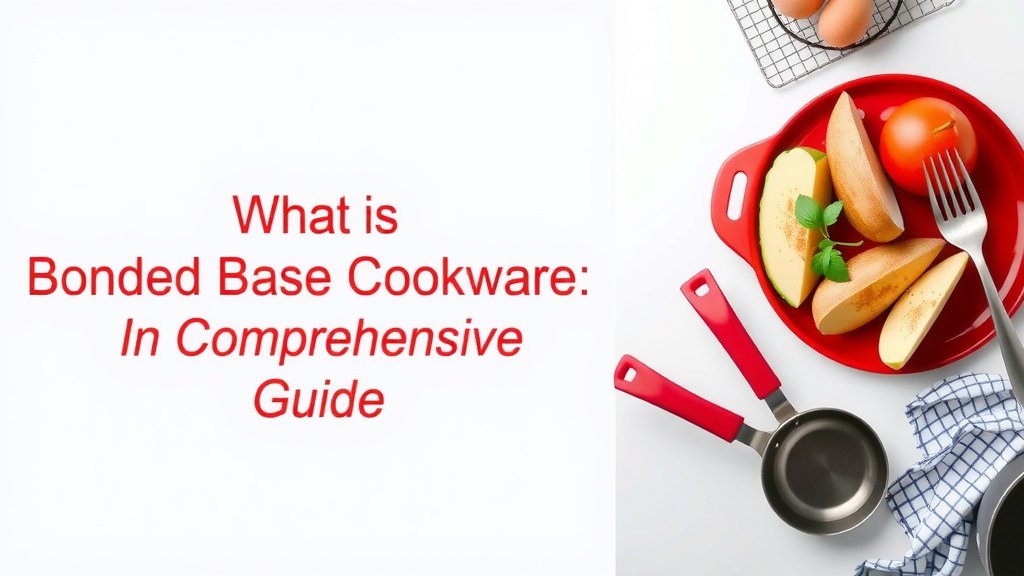
What is Bonded Base Cookware: A Comprehensive Guide
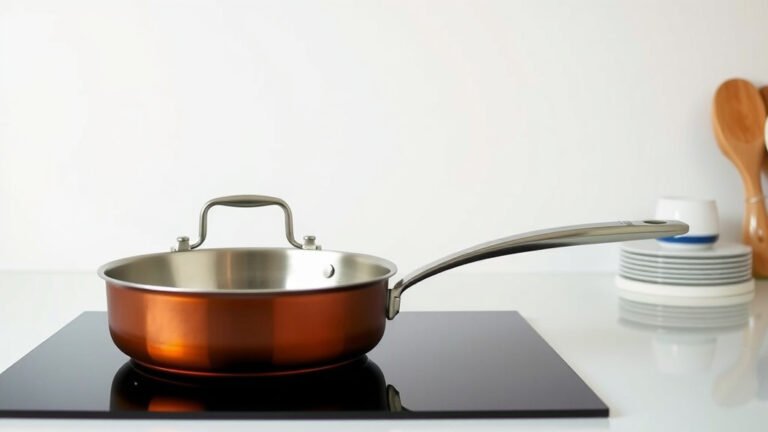
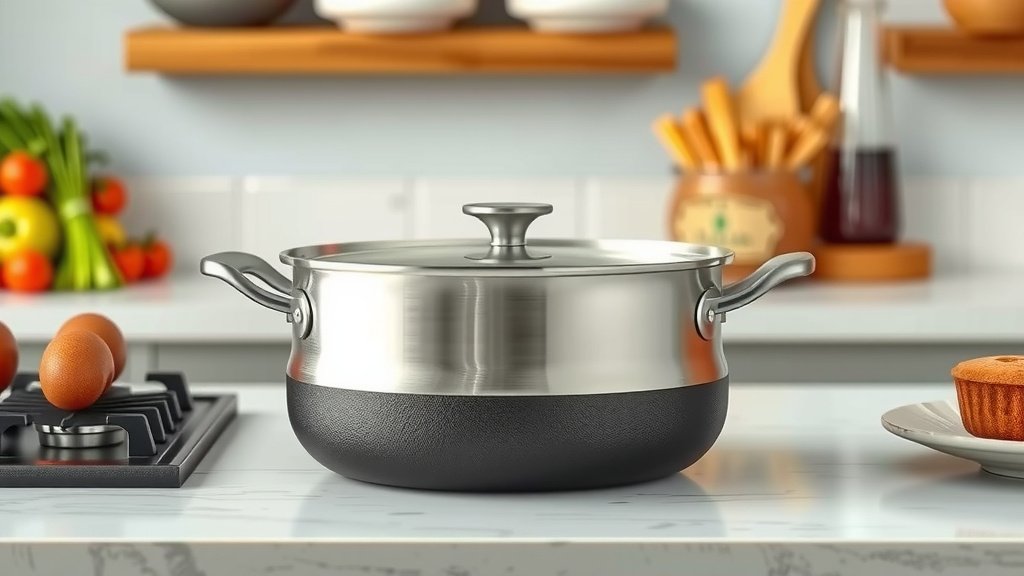
Bonded base cookware is a type of pot or pan with a layer of metal bonded to the bottom. This layer is usually aluminum or copper. It’s designed to help your cookware heat more evenly across the entire cooking surface.
Many cooks prefer this design because it helps prevent hot spots. Hot spots can cause food to burn in some areas while staying undercooked in others. A bonded base ensures a more consistent cooking temperature, leading to better results for your favorite recipes.
- Bonded base cookware has a metal layer attached to the bottom.
- This layer helps food cook evenly.
- It prevents hot spots and burning.
- It’s a popular choice for better cooking performance.
Let’s dive into what makes this design so effective and whether it’s the right choice for your kitchen.
You’ve read that bonded base cookware has a metal layer added to the bottom for even heating. But what exactly does that mean for your cooking, and how is it constructed? Let’s break down the technology behind it and why it’s such a popular feature in modern kitchens.
Understanding the Magic of a Bonded Cookware Base
A bonded base refers to a multi-layer construction permanently attached to the bottom of your pot or pan. This isn’t just a simple coating. It’s a deliberate engineering choice to improve heat distribution. Most often, you’ll find aluminum or copper used in these layers.
How the Layers Work Together
Think of it like a heat sandwich. The inner layer is typically a highly conductive metal, like aluminum or copper. This metal quickly absorbs and spreads heat across the entire base. The outer layer is often stainless steel. This provides durability and a smooth surface that works on induction cooktops.
The Role of Aluminum
Aluminum is a favorite for a reason. It’s lightweight and an excellent conductor of heat. This means it heats up fast and evenly. We found that pans with a solid aluminum core distribute heat so well that you’re less likely to have those annoying hot spots. This prevents food from scorching in one area.
The Allure of Copper
Copper is even more conductive than aluminum. This makes it the king of even heating. While more expensive, copper-bonded bases offer superior temperature control. Many professional chefs prefer copper for its responsiveness. It reacts quickly to changes in heat, giving you finer control over your cooking.
The Bonding Process: More Than Just Sticking
How do these layers stick together so well? The term “bonded” implies a strong, permanent connection. Manufacturers use high-pressure techniques or welding to fuse the layers. This ensures the base won’t separate or warp over time. It’s built to last through countless meals.
Why a Bonded Base Matters for Your Cooking
The primary benefit of a bonded base is superior heat distribution. This might sound simple, but it has a big impact on your results. Let’s look at how it directly affects what you cook.
Say Goodbye to Hot Spots
We’ve all been there. You’re sautéing onions, and they’re browning perfectly in the center, but burnt on the edges. That’s a hot spot at work. A bonded base helps eliminate these uneven heat zones. The conductive metal layer spreads the heat from your burner evenly across the entire cooking surface. This means your food cooks uniformly.
Consistent Temperature Control
Maintaining a steady temperature is key for many recipes. Think about delicate sauces or searing a steak. A bonded base helps your cookware maintain a more consistent temperature. This consistency means less hovering and worrying. You can trust your pan to do its job.
Better Results for All Foods
From a quick weeknight stir-fry to a slow-simmered stew, even heating is beneficial. You’ll notice fewer burnt bits and more evenly cooked textures. Even simple tasks like boiling water become more efficient. The water heats up faster and more uniformly.
Is Bonded Base Cookware the Right Choice for You?
Considering all these advantages, bonded base cookware is a fantastic investment for most home cooks. It offers a noticeable improvement over cookware with thin, unlayered bases. If you’re looking to upgrade your kitchen tools, this is a feature worth seeking out.
Who Benefits Most?
If you often struggle with food sticking or burning in certain spots, you’ll love a bonded base. Home bakers who need even heat for pies and cakes will also appreciate the difference. Anyone who enjoys cooking and wants more reliable results will benefit. Many experts say it’s essential for achieving professional-level outcomes at home (The Culinary Institute of America).
Comparing Bonded Bases to Other Cookware
How does it stack up against other types? Let’s take a quick look:
| Cookware Type | Base Construction | Pros | Cons |
|---|---|---|---|
| Aluminum-Clad | Aluminum disc bonded to stainless steel pan | Excellent heat conductivity, affordable | Aluminum can react with acidic foods if not coated |
| Copper-Core | Copper disc bonded to stainless steel pan | Superior heat control, very responsive | More expensive, requires more careful cleaning |
| Fully Clad | Multiple metal layers (e.g., stainless steel, aluminum, stainless steel) extending up the sides | Exceptional heat distribution throughout the pan, durable | Can be heavier and more expensive |
| Disc Bottom | Metal disc (often aluminum) attached to the outside bottom of a thinner pan | Better than no disc, more affordable | Heat transfer can still be less even than clad or bonded |
Key Takeaways for Your Kitchen Upgrade
So, when you’re eyeing that new set of pots and pans, keep these points in mind:
- Look for the bonded disc or clad construction.
- Consider aluminum for good all-around performance and value.
- Think about copper for ultimate heat control if your budget allows.
- Check that the base material is compatible with your cooktop (especially induction).
- Prioritize quality brands known for their construction methods.
- A well-built bonded base cookware is an investment in better cooking.
By understanding what a bonded base is and how it works, you can make a smarter choice for your kitchen. You’ll be well on your way to more consistent, delicious meals.
Conclusion
You now understand that bonded base cookware is designed for better, more consistent cooking. The layered metal base, often aluminum or copper, ensures heat spreads evenly. This means saying goodbye to frustrating hot spots and burnt food. You’ll gain better temperature control, leading to tastier results in your kitchen. If you’re looking to upgrade your cookware, seeking out a quality bonded base is a smart investment. Make the switch to experience more reliable and enjoyable cooking for all your favorite meals.
Frequently Asked Questions
How do I clean bonded base cookware?
Most bonded base cookware, especially stainless steel clad types, can be cleaned with mild dish soap and warm water. For tougher stuck-on food, a non-abrasive scrub pad can be used. Always check the manufacturer’s specific care instructions for your cookware.
Is bonded base cookware safe for induction cooktops?
Many bonded base cookware sets are induction-compatible, especially those with a stainless steel exterior layer. The magnetic properties of stainless steel allow them to work with induction burners. You should always verify the product description or packaging for an “induction compatible” symbol.
Will the bonded layers ever separate?
Reputable manufacturers use high-pressure bonding or welding techniques to ensure the layers are permanently fused. When you invest in quality bonded base cookware, separation is rare. It’s designed for durability and long-term use.
Are bonded bases heavier than other cookware?
Bonded base cookware can sometimes be slightly heavier due to the added layers at the bottom. However, the weight is generally well-distributed, making them stable and easy to handle. The benefits of even heating often outweigh any minor increase in weight.
What’s the difference between bonded base and fully clad cookware?
Bonded base typically refers to a disc or layer attached only to the bottom of the pan. Fully clad cookware has these metal layers extending all the way up the sides of the pan. Fully clad offers even more superior heat distribution throughout the entire vessel.