How Your Electric Cooker Works: A Simple Guide
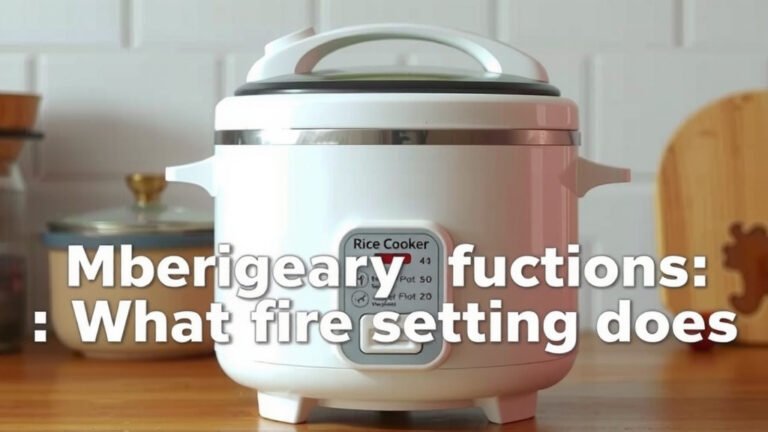
An electric cooker works by using electrical resistance to generate heat. When you plug it in and turn it on, electricity flows through a heating element, usually made of a special metal. This metal resists the flow of electricity, causing it to heat up. That heat is then transferred to your food, cooking it.
Think of it like a toaster, but for bigger meals. The heat can be controlled in different ways depending on the type of electric cooker. Some have simple knobs to adjust the temperature, while others use digital controls. This heat cooks your food through conduction, convection, and radiation, just like other cooking methods.
- Electric cookers use electricity to create heat.
- A heating element gets hot when electricity passes through it.
- This heat cooks your food effectively.
- Different types offer various ways to control the temperature.
Ready to get cooking? Below, we’ll break down exactly how your electric cooker heats up and gets those meals ready.
Understanding Your Electric Cooker’s Heat Source
So, how exactly does that electric cooker whip up your favorite meals? It all boils down to a clever use of electricity and resistance. We found that the magic happens inside a component called the **heating element**. When you flip that switch or turn that knob, electricity zips through this element.
The Role of Electrical Resistance
Think of a heating element like a bottleneck for electricity. Certain materials, often made of a special metal alloy like Nichrome (a mix of nickel and chromium), naturally resist the free flow of electrical current. This resistance isn’t a bad thing; it’s the key to generating heat.
When electricity struggles to push through the resistant material, it has to work harder. This “hard work” causes the atoms within the heating element to vibrate much faster. These rapid vibrations create friction, and this friction is what produces heat. It’s a bit like rubbing your hands together quickly; the friction makes them warm!
Types of Heating Elements
The design of these heating elements can vary, impacting how your cooker heats up. We found that most electric cookers use one of two main types.
Coiled Heating Elements
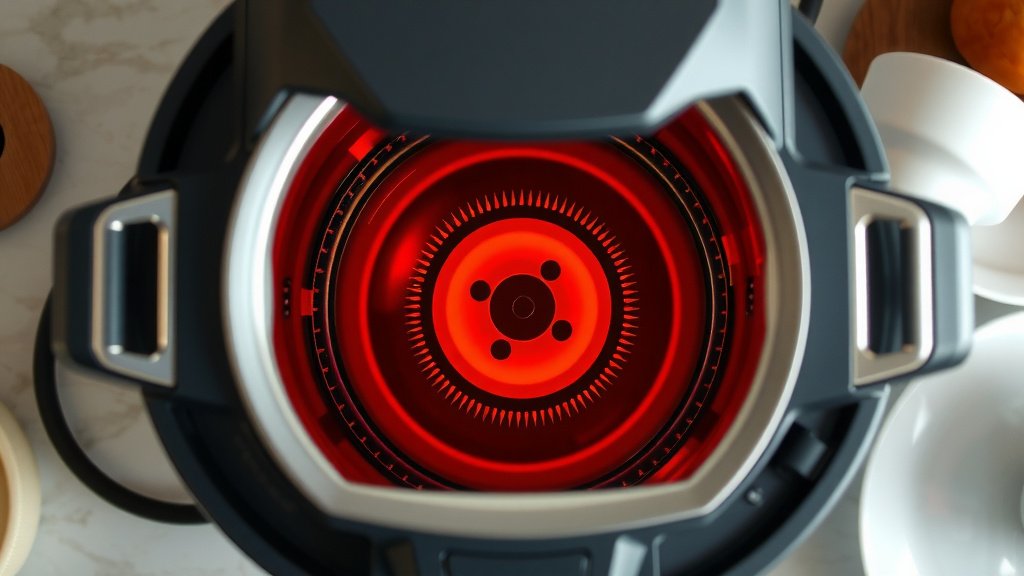
You might recognize these as the shiny, coiled wires found in some ovens or on older stovetops. Electricity flows through the coil, and as it heats up, it glows red. This red-hot coil then radiates heat directly onto your cookware or into the oven cavity.
Sheathed Heating Elements
These are more common in modern electric cookers, especially in ovens. They consist of a metal tube with a heating wire inside, packed with an insulating powder. When electricity passes through the wire, it heats up and transfers that heat through the powder to the metal sheath, which then heats your food.
How Heat Reaches Your Food
Once the heating element gets hot, that heat needs to get to your food. Electric cookers use a few different methods for this heat transfer, and understanding them can help you cook more effectively.
Conduction: The Direct Touch
This is the most straightforward method. When the hot surface of your electric cooker (like the stovetop or the bottom of your oven) touches your cooking pot or dish, heat is directly transferred. It’s like holding a warm mug; the heat moves from the mug to your hands.
For stovetops, good contact between the pot and the element is essential. We found that flat-bottomed pots work best for efficient conduction. If there are gaps, heat transfer slows down, and your food takes longer to cook.
Convection: The Moving Heat Current
This is how most electric ovens heat your food evenly. The heating elements warm the air inside the oven. As the air gets hot, it becomes less dense and rises. Cooler, denser air sinks, creating a continuous cycle of air movement called a convection current.
This circulating hot air surrounds your food, cooking it from all sides. Some modern ovens have a fan to speed up this process, which is why they’re called convection ovens. This faster heat circulation means food often cooks more quickly and evenly (U.S. Department of Energy).
Radiation: The Invisible Rays
You’ve experienced radiation when standing near a campfire and feeling its warmth, even without touching it. In an electric cooker, the glowing hot heating elements emit infrared radiation. This radiant heat travels in waves and directly warms any surface it hits, including your food.
Radiant heat is what helps brown and crisp food. Broilers in ovens use radiation as their primary heat source, getting intensely hot to sear meats or toast bread quickly. We found that understanding radiant heat helps explain why certain foods get nicely browned on top in an oven.
Controlling the Cooking Temperature
So, how do you tell your electric cooker to be hot, or just a little warm? The way you control the heat output is also a key part of how it works.
Thermostats: The Temperature Watchdog
Many electric cookers use a thermostat to maintain a set temperature. You choose your desired heat level, and the thermostat monitors the temperature inside the cooker. When it reaches your set point, it tells the heating element to turn off or reduce its power.
When the temperature starts to drop, the thermostat senses this and turns the heating element back on. This on-and-off cycling allows the cooker to maintain a relatively consistent temperature, preventing your food from burning or undercooking. We found that this is a pretty smart system for consistent results.
Digital Controls vs. Knobs
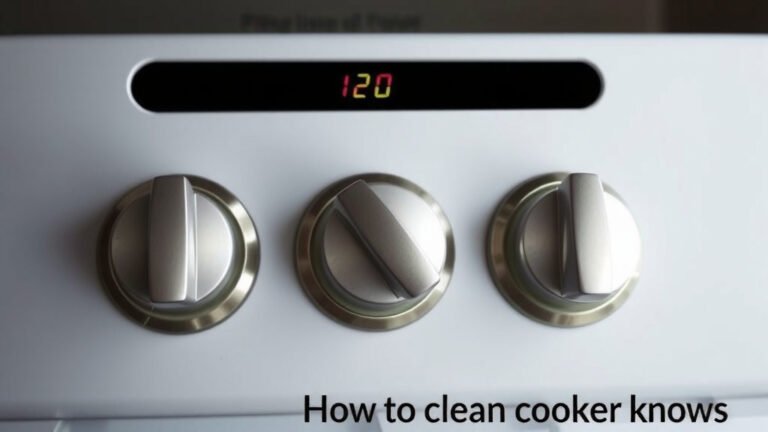
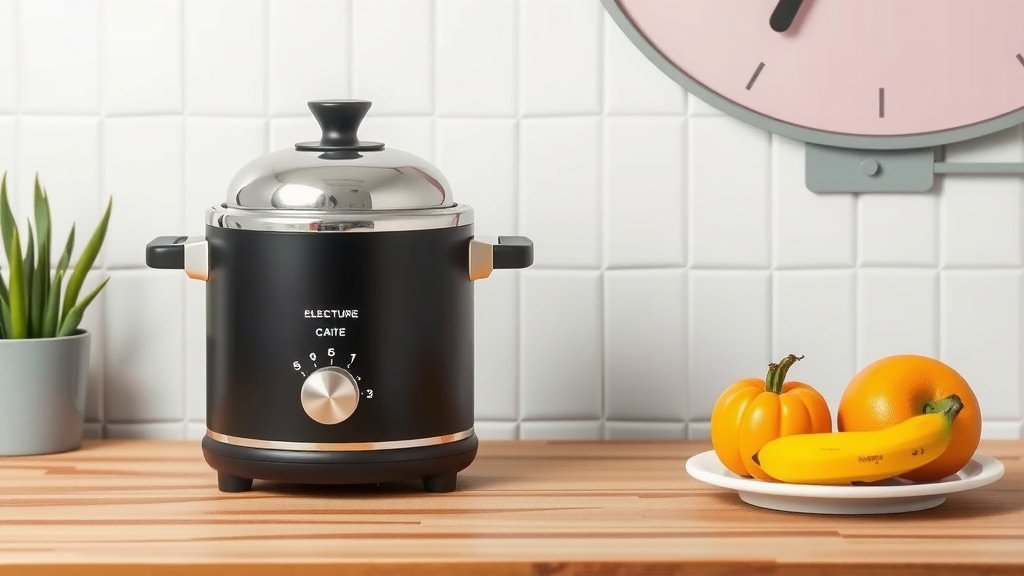
Older models might have simple knobs that turn the heating element on to different power levels. Newer models often feature digital displays and buttons. These allow for more precise temperature settings and sometimes offer pre-programmed cooking modes.
While the user interface looks different, the basic principle is the same: using electricity to generate heat and a system to control it. We found that both types aim to deliver the right amount of heat for your cooking needs.
Induction Cooktops: A Special Case
It’s worth mentioning induction cooktops because they are electric but work quite differently. Instead of directly heating a coil, induction uses electromagnetism. An electric current creates a magnetic field that causes the metal in your cookware itself to heat up directly. This is super efficient because no heat is wasted warming the cooktop surface first.
However, induction requires specific magnetic cookware, like cast iron or certain stainless steel pans. You can’t use aluminum or glass pots on an induction surface. This is a different way electricity cooks your food, focusing on heating the pot rather than the element itself.
Here’s a quick rundown of what makes your electric cooker tick:
- Electricity flows through a resistant heating element.
- Resistance causes the element to get very hot.
- Heat travels to your food via conduction, convection, or radiation.
- A thermostat helps maintain your chosen temperature.
- Different controls offer various ways to manage heat.
Conclusion
So, you’ve seen how your electric cooker transforms electricity into delicious meals. It all comes down to electrical resistance in heating elements, which generates the heat. This heat then efficiently reaches your food through conduction, convection, and radiation. Smart thermostats and user controls help you manage the cooking process precisely. Understanding these principles means you can get the most out of your appliance. Now, why not try a new recipe using your electric cooker and put your newfound knowledge to the test?
Frequently Asked Questions
How long do electric cooker heating elements typically last?
The lifespan of an electric heating element can vary, but with normal use and care, they often last for many years. Factors like the quality of the element and how frequently you use your cooker play a role in their longevity. You might notice decreased performance or visible damage as signs they need replacement.
Why does my electric cooker sometimes make clicking noises?
Those clicking sounds are usually normal and come from the thermostat cycling. The thermostat turns the heating elements on and off to maintain your set temperature. This consistent switching is how your cooker keeps your food from burning or staying undercooked. It’s a sign your cooker is working to keep things consistent.
Can I use any type of cookware on an electric stove?
For standard electric coil or smooth-top stoves, most common cookware materials like stainless steel, cast iron, and aluminum work well. However, for induction cooktops, you must use magnetic cookware, such as cast iron or specific stainless steel pans. Always check your cooker’s manual for specific recommendations.
Is an electric cooker more energy-efficient than a gas cooker?
Electric cookers, particularly induction models, can be more energy-efficient than gas. Induction cooktops heat the cookware directly, reducing wasted heat. Standard electric resistance cookers can be less efficient than induction but may still rival gas depending on usage and appliance design. Research specific models for detailed efficiency ratings.
What’s the difference between a convection fan and regular heat in an electric oven?
A regular electric oven uses radiation and natural convection to circulate hot air. A convection fan actively blows hot air around the oven cavity. This fan speeds up cooking, promotes more even browning, and can allow you to cook at slightly lower temperatures. We found convection cooking can save you time in the kitchen.