Pressure Cooker Time vs Stove Top: Your Conversion Guide
Yes, you can absolutely convert stove top cooking times to pressure cooker times! It’s a fantastic way to speed up your favorite meals. Generally, pressure cooker recipes take about one-third to one-half the time of conventional stovetop methods. This is thanks to the pressurized steam that cooks food much faster.
Understanding this conversion can be a real game-changer for weeknight dinners. You’ll be able to enjoy dishes that typically take hours in a fraction of the time. We’ve researched common cooking methods to give you a helpful guide. It’s all about adjusting for the increased cooking pressure.
- Convert stovetop to pressure cooker for faster meals.
- Pressure cookers can cut cooking time significantly.
- Expect meals to be ready in 1/3 to 1/2 the stovetop time.
- This is due to cooking under high-pressure steam.
- Adjustments are key for successful pressure cooking.
Let’s walk through exactly how to make these time conversions so you can start enjoying quicker, delicious meals.
Turning Stovetop Recipes into Pressure Cooker Success
You’ve got a favorite stovetop recipe that takes a while, right? What if you could shave off a good chunk of that cooking time using your pressure cooker? It’s totally doable! We’ve looked into how cooking methods change under pressure. You can expect your meals to be ready much faster.
Understanding the Magic of Pressure Cooking
How does a pressure cooker work its magic? It seals in steam. This steam builds up pressure inside the pot. The increased pressure raises the boiling point of water. This means your food cooks at a higher temperature. Higher temperatures cook food faster. It’s a simple scientific principle at play.
Think of it like this: on the stovetop, water boils at 212°F (100°C). Inside a pressure cooker, that temperature can climb to 250°F (121°C) or even higher. This extra heat is what speeds things up. We found that this method is especially good for tough cuts of meat or dried beans. They become tender in a fraction of the time.
General Time Conversion Guidelines
So, how much time do you actually save? As a general rule, you’ll want to cut your stovetop cooking time by about two-thirds. Many recipes are ready in one-third to one-half the original time. This is a good starting point for most foods.
Let’s put that into practice. If a recipe calls for simmering stew for 2 hours on the stove, you might aim for 40 minutes in the pressure cooker. If chicken thighs normally take 45 minutes to braise, try 15-20 minutes under pressure. These are estimates, of course. Factors like the size of your ingredients matter too.
Key Factors Affecting Conversion
It’s not just a simple math equation every time. Several things can influence how much you adjust the time. You need to consider the size of your food pieces. Smaller pieces cook faster. Larger, whole items take longer. If you’re cutting meat into cubes, it will cook quicker than a whole roast.
The type of food is also important. Root vegetables like potatoes and carrots need more time than leafy greens. Meats will have different cooking needs based on their cut and toughness. Dried beans, even after soaking, require a specific amount of time to become tender.
We also found that the liquid amount in your pressure cooker matters. You need enough liquid to build steam and pressure. However, too much liquid can sometimes affect cooking times. Most recipes will specify the minimum liquid required for your cooker model. Always follow those guidelines.
Specific Food Category Conversions
Let’s break it down by food type. This is where you’ll find the most practical advice. Knowing these general ranges will help you confidently adapt recipes.
Meats and Poultry
Tougher cuts of meat, like beef chuck or pork shoulder, are perfect for pressure cooking. They can go from tough to tender in under an hour. For example, beef stew meat that might take 2-3 hours on the stove could be done in 30-40 minutes in a pressure cooker. Whole chickens or large roasts also benefit, though their times will be longer.
Chicken pieces like thighs or breasts typically cook very quickly. Boneless, skinless chicken breasts might only need 7-10 minutes. Bone-in chicken will take a bit longer. You’re aiming for tender, shreddable meat.
Beans and Grains
This is where the time savings are huge. Dried beans are a prime example. Unsoaked dried beans that might take hours to cook on the stove can be ready in 20-30 minutes under pressure. Soaked beans will be even faster, sometimes as little as 8-12 minutes for smaller varieties.
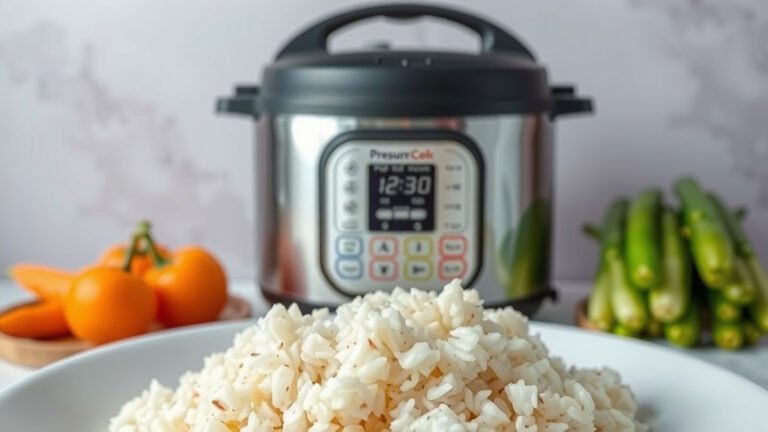
Whole grains like brown rice or farro also transform. Brown rice, which can take 40-50 minutes on the stovetop, might be perfectly cooked in 15-20 minutes in the pressure cooker. Always check your cooker’s manual for specific grain recommendations.
Vegetables
Most vegetables cook extremely fast under pressure. Hard, starchy vegetables like potatoes, sweet potatoes, and winter squash will take the longest. A whole potato might be tender in 10-15 minutes. Softer vegetables like broccoli, peas, or asparagus cook in just a few minutes, sometimes only 1-3 minutes. Overcooking vegetables is easy, so watch them closely!
The Role of Natural vs. Quick Release
When your cooking time is up, you have a choice: natural release or quick release. This choice impacts the final dish. Natural release lets the pressure come down on its own. This can take 10-20 minutes or more. It allows the food to continue cooking gently. It’s great for meats that need to stay moist and tender.
Quick release involves manually venting the steam. This stops the cooking process immediately. It’s best for vegetables you don’t want to overcook. It also helps prevent meats from becoming mushy. We found that knowing when to use each method is key to recipe success.
Adjusting for Altitude
Living at a higher altitude affects cooking times. Water boils at a lower temperature the higher you go. This means you’ll need to adjust your pressure cooking times. Most sources recommend adding about 5% extra cooking time for every 1,000 feet above sea level.
For example, if your recipe calls for 20 minutes at sea level, and you live at 5,000 feet, you might add 25% more time. That would bring your cooking time up to 25 minutes. It’s a small adjustment that makes a big difference.
Putting It All Together: A Quick Checklist
Ready to try it yourself? Here’s a simple checklist to keep in mind:
- Identify the stovetop cooking time in your original recipe.
- Choose the appropriate reduction (usually 1/3 to 1/2 the time).
- Consider the food type and its size for fine-tuning.
- Decide on natural or quick release based on the ingredients.
- Factor in your altitude if you live significantly above sea level.
- Always refer to your pressure cooker’s manual for specific guidance.
Common Mistakes to Avoid
What trips people up when converting recipes? One common error is not using enough liquid. You need sufficient steam to build pressure. Another is overcrowding the pot. Food needs space to cook evenly. Also, forgetting about the release time can lead to overcooked food.
Trust the process! It might take a couple of tries to get the timing just right for your specific cooker and ingredients. Don’t be afraid to experiment a little. You’ll quickly get a feel for how your pressure cooker performs.
| Food Category | Stovetop Time (Approx.) | Pressure Cooker Time (Approx.) | Release Method (Commonly) |
|---|---|---|---|
| Tough Stew Meat (e.g., Beef Chuck) | 2-3 hours | 30-40 minutes | Natural |
| Chicken Thighs (Boneless) | 30-45 minutes | 8-12 minutes | Quick |
| Dried Beans (Unsoaked) | 2-3 hours | 20-30 minutes | Natural |
| Brown Rice | 40-50 minutes | 15-20 minutes | Natural |
| Potatoes (Whole, Medium) | 25-30 minutes | 10-15 minutes | Quick or Natural |
| Broccoli Florets | 8-10 minutes | 1-3 minutes | Quick |
Remember, these are general guidelines. Your specific appliance and recipe might require slight adjustments. Happy pressure cooking!
Conclusion
You’ve learned how to successfully convert your favorite stovetop recipes into delicious, quick pressure cooker meals. Remember, the general rule is to cut your stovetop time by about two-thirds, aiming for one-third to one-half the original duration. Pay close attention to food type, size, and the crucial difference between natural and quick release methods. Don’t forget to adjust for altitude if you live at higher elevations.
Now it’s time to put this knowledge into practice! Choose a recipe you love and give it a try in your pressure cooker. You’ll be amazed at how much time you save and how tender and flavorful your dishes become. Happy cooking!
Frequently Asked Questions
Do I need to make any changes to the liquid in my stovetop recipe when converting?
Yes, you generally need less liquid in a pressure cooker than for stovetop simmering. Too much liquid can dilute flavors and affect the pressure buildup. Always check your pressure cooker manual for the minimum liquid requirement, which is usually around 1 to 1.5 cups.
What if my pressure cooker recipe doesn’t specify a release method?
If a recipe doesn’t state the release method, consider the food. For meats and beans that need to stay tender, a natural release is usually best. For vegetables you don’t want to overcook, a quick release is typically preferred. You can also opt for a combination release if unsure.
Can I convert any stovetop recipe to a pressure cooker recipe?
While most recipes can be adapted, there are exceptions. Very delicate foods like flaky fish or some desserts might not fare well under high pressure. Also, recipes that rely on slow evaporation or browning might need extra steps or adjustments.
How do I know if I’m using too much or too little pressure?
Your pressure cooker is designed to maintain a specific pressure level. If you’re concerned about pressure, ensure your lid is sealed correctly and the vent is clear. Most modern pressure cookers have safety features to prevent over-pressurization. Focus on following accurate cooking times for your ingredients.
What’s the biggest mistake people make when converting recipes?
A common mistake is not accounting for the time it takes the pressure cooker to reach pressure and the time for the pressure release. The cooking time listed is only when the cooker is actively pressurized. Always factor in these additional stages to avoid undercooked or overcooked food.