Stop Dry Slow Cooker Meat: Easy Prevention Tips
You can prevent dry meat in your slow cooker by ensuring you use enough liquid, cutting meat into the right size pieces, and not overcooking it. Adding a lid that seals well also helps to keep moisture locked in. Following these simple steps will help you achieve tender, juicy results every time.
Nobody wants to pull dry, stringy meat from their slow cooker! It’s a common cooking frustration, but luckily, there are easy ways to avoid it. We found that proper preparation and mindful cooking times are key to **moist and flavorful** slow cooker meals. Let’s make sure your next slow cooker dish is a success.
TL;DR:
- Use enough liquid – aim for at least 1 cup.
- Don’t cut meat into tiny pieces.
- Avoid overcooking; check temps early.
- Ensure your slow cooker lid fits snugly.
- Consider adding fat for extra moisture.
Let’s dive into the best ways to keep your slow cooker meals from becoming dry and disappointing. We’ll cover the essential tips that make a big difference.
“`htmlKeeping Your Slow Cooker Meats Moist and Tender
You’ve decided on a delicious slow cooker recipe, but the thought of dry, disappointing meat makes you hesitate. We get it! Nobody wants to waste time and ingredients on a meal that turns out tough. The good news is that preventing dry meat in your slow cooker is totally achievable. It all comes down to a few smart techniques.
Many home cooks struggle with this issue, but research and countless recipes show that a few key adjustments can make all the difference. We found that focusing on the right ingredients and cooking process is your secret weapon.
The Liquid Factor: Your Slow Cooker’s Best Friend
The most common reason for dry slow cooker meat is simply not enough liquid. Your slow cooker works by simmering food for extended periods. This process requires moisture to keep everything from drying out. Think of it like a little steam bath for your meat.
How Much Liquid Is Enough?
As a general rule, aim for at least **one cup of liquid** for most slow cooker recipes. For larger cuts of meat or longer cooking times, you might need more. The liquid doesn’t just prevent dryness; it also helps create the flavorful sauce or broth that makes your meal so enjoyable.
Many recipes will specify the amount of liquid needed. If yours doesn’t, start with at least a cup and adjust based on the size of your cooker and the type of meat.
Choosing the Right Liquids
What kind of liquid should you use? Your options are vast and can really enhance the flavor of your dish.
- Broth or Stock: Chicken, beef, or vegetable broth are excellent choices. They add a foundational layer of flavor.
- Water: While plain water works, it doesn’t add much flavor. It’s best used when other ingredients (like vegetables and seasonings) will contribute most of the taste.
- Canned Tomatoes: Diced tomatoes, crushed tomatoes, or tomato sauce are fantastic for adding moisture and a tangy base.
- Wine or Beer: These can add depth and complexity to dishes, especially with red meats. Ensure you’re using something you’d enjoy drinking!
- Juices: Apple cider or other fruit juices can work well with certain meats, like pork.
We found that using a combination of liquids often yields the best results. For instance, beef broth mixed with a bit of red wine can create a wonderfully rich sauce for pot roast.
Meat Preparation Matters: Size and Type
How you prepare your meat before it goes into the slow cooker plays a big role in its final texture. Cutting the meat into the right size pieces is essential.
Avoid Tiny Pieces
Cutting your meat into very small, bite-sized pieces can lead to them drying out quickly. They have more surface area exposed to the heat. Instead, opt for **larger chunks or whole cuts** of meat. This allows the outside to cook while the inside stays wonderfully moist.
Research suggests that larger pieces retain moisture better during long cooking processes (Food Safety.gov). Think of it like cooking a whole chicken versus shredding it before cooking – the whole bird stays juicier.
Consider the Fat Content
Fat is flavor, and it’s also moisture! Meat with a bit of marbling or fat cap will naturally stay more tender and moist than very lean cuts. If you’re using a leaner cut, you might need to be extra careful about not overcooking it.
We found that cuts like pork shoulder, beef chuck roast, or chicken thighs are excellent for slow cooking because their natural fat content helps them stay moist and forgiving. They are less likely to become dry.
The Cooking Process: Timing is Everything
One of the biggest culprits for dry slow cooker meat is simply cooking it for too long. While slow cookers are designed for long cooking, there’s a limit!
Don’t Overcook Your Meat
Overcooking is a sure way to turn tender meat into something dry and tough. This is especially true for poultry like chicken breasts. They can go from perfectly cooked to dry in a surprisingly short amount of time.
We recommend starting to check the internal temperature of your meat about **30-60 minutes before** the recipe’s estimated finish time. Use a meat thermometer to ensure it reaches a safe temperature without going much beyond it.
Safe Internal Temperatures
Knowing the safe cooking temperatures is vital for both safety and texture.
| Meat Type | Safe Internal Temperature |
|---|---|
| Beef, Pork, Lamb, Veal (Roasts, Steaks, Chops) | 145°F (63°C) followed by a 3-minute rest |
| Ground Meats (Beef, Pork, Lamb, Veal) | 160°F (71°C) |
| Poultry (Chicken, Turkey – whole, pieces, or ground) | 165°F (74°C) |
Many guidelines, including those from the USDA, point to these temperatures for safe consumption. Aim for the lower end of the range if you’re worried about dryness, especially with poultry.
Low vs. High Setting
Most slow cooker recipes can be cooked on either the ‘Low’ or ‘High’ setting. Cooking on ‘Low’ for a longer period is generally more forgiving and less likely to dry out your meat than cooking on ‘High’ for a shorter time.
If you’re in a rush, you might be tempted to use the ‘High’ setting. If you do, be extra vigilant about checking for doneness. We found that ‘Low’ heat is the secret for incredibly tender results without the risk of dryness.
Lid Fit: A Small Detail with Big Impact
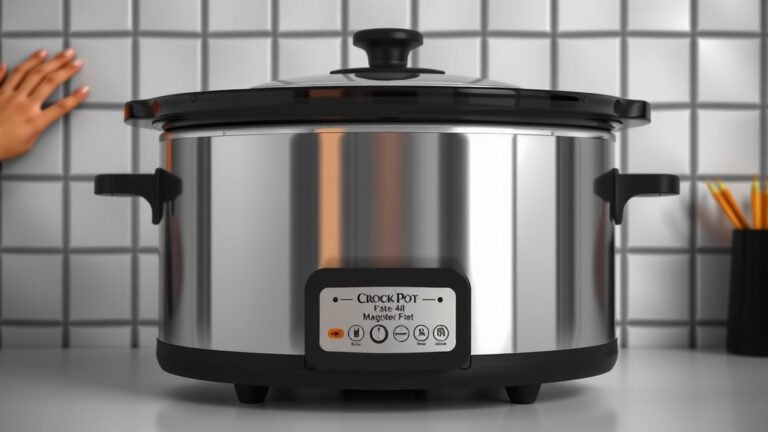
Your slow cooker lid is more than just a cover; it’s a seal. A good seal traps steam inside, creating a moist cooking environment. A lid that doesn’t fit snugly can let that precious moisture escape.
Check Your Lid’s Seal
Before you start cooking, take a look at your slow cooker lid. Does it sit firmly on the pot? Are there obvious gaps? Sometimes, condensation can make it look like it’s sealed, but a better test is to ensure there are no large air pockets.
If your lid seems a bit loose, don’t despair! You can often place a piece of aluminum foil over the top of the slow cooker insert before putting the lid on. This creates a better seal and helps keep that steam in. We found this trick works wonders for older slow cookers.
Quick Checklist for Moist Slow Cooker Meat
Want a quick reminder of the best ways to prevent dry meat? Keep this handy:
- Use Enough Liquid: Always start with at least 1 cup.
- Bigger is Better: Cut meat into larger chunks.
- Watch the Clock: Check temperatures early.
- Fat is Your Friend: Choose cuts with some marbling.
- Seal the Deal: Ensure your lid fits snugly.
- Low and Slow: Prefer the ‘Low’ setting when possible.
Conclusion
You now have the knowledge to transform your slow cooker meals from dry disappointments to tender triumphs. Remember, the keys are ensuring adequate liquid, preparing your meat correctly by cutting it into larger pieces, and paying close attention to cooking times. Don’t forget that a well-fitting lid is your secret weapon for trapping moisture. By implementing these straightforward tips, you’ll consistently achieve wonderfully moist and flavorful results. Your next slow cooker success is just a recipe away!
Frequently Asked Questions
Can I add more liquid if my slow cooker recipe seems dry halfway through?
Yes, you absolutely can! If you notice your dish is looking dry, carefully add about a half cup of warm liquid (like broth or water) to the slow cooker. Stir it in gently to distribute the moisture evenly.
What’s the best way to reheat slow cooker meat without drying it out?
The best method is to reheat slowly at a low temperature. Add a splash of broth or water to the meat in a covered oven-safe dish or back into the slow cooker on low. This will help keep it moist as it warms up.
Does the size of the slow cooker matter for preventing dry meat?
Yes, a bit. A slow cooker that is too large for the amount of food can cause liquid to evaporate more quickly. Try to fill your slow cooker at least halfway, but no more than two-thirds full, for optimal results.
Is it okay to use frozen meat in my slow cooker?
It’s generally not recommended to cook frozen meat in a slow cooker. It can take too long to thaw and cook, potentially leaving the outer parts dry while the inside is still unsafe. Always thaw meat completely before slow cooking.
Can I add vegetables to my slow cooker without them becoming mushy or dry?
To prevent mushy vegetables, add heartier root vegetables (like carrots or potatoes) earlier in the cooking process. Softer vegetables (like peas or broccoli) should be added during the last 30-60 minutes of cooking time to keep them tender but not overcooked.