Air Fryer vs Electric Cooker: Which One Should You Buy
If you’re torn between an air fryer and an electric cooker, the short answer is this: an air fryer is your best bet for crispy, fast meals, while an electric cooker (like a multicooker or slow cooker) wins for hands-off, one-pot cooking. We found that the right choice really comes down to how you like to cook every day.
Both appliances have earned a permanent spot on our countertops, but they solve different problems. An air fryer uses rapid hot air to mimic deep frying with a fraction of the oil. An electric cooker, on the other hand, uses steady, contained heat to braise, simmer, steam, or slow-cook food until it’s fall-apart tender. Your kitchen space, your meal prep habits, and your family’s favorite foods will point you to the winner.
TL;DR — Air Fryer vs. Electric Cooker
- Air fryer: Best for crispy fries, chicken wings, and reheating leftovers in under 15 minutes.
- Electric cooker: Best for stews, rice, soups, and tender roasts with zero stirring.
- Air fryer: Needs little to no oil and delivers a crunchy texture fast.
- Electric cooker: Uses more counter space and takes longer, but frees up your time completely.
- For most households: If you only buy one, we found the air fryer is more versatile for everyday quick meals.
Below, we break down exactly how each appliance works, what it cooks best, and how to decide which one fits your life. Let’s walk through the nitty-gritty so you can finally clear that shopping cart.
Air Fryer and Electric Cooker: Which One Earns the Counter Space?
In our research, the air fryer wins for speed and crunch. The electric cooker wins for convenience and tender meals. You really can’t make a wrong choice, but you can make a smarter one for your kitchen.
Let’s look at how each appliance actually works. Then we’ll match them to your cooking style.
How an Air Fryer Works
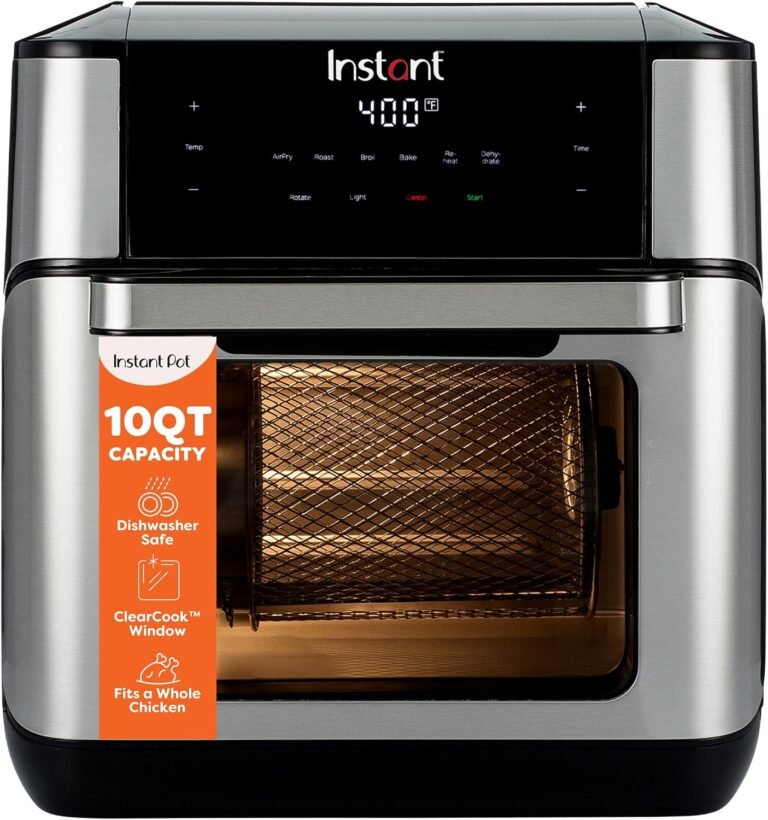
Think of an air fryer as a tiny, powerful convection oven. A fan blows hot air around the food at high speed. This creates that crispy, golden exterior you love.
You use very little oil. Usually just a teaspoon or a light spray does the job. The result is a texture that mimics deep frying without the grease.
We found that air fryers cook fast. Most meals finish in 10 to 20 minutes. There’s no preheating time like a traditional oven, so dinner gets on the table quickly.
The Best Foods for an Air Fryer
You’ll get the most out of an air fryer with foods that benefit from dry heat. Think about anything you’d normally fry or roast.
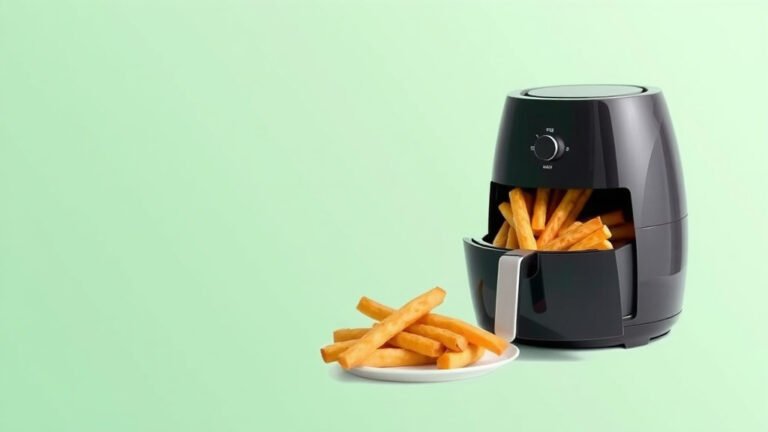
- Frozen french fries and tater tots
- Chicken wings and drumsticks
- Breaded fish or shrimp
- Roasted vegetables like broccoli and Brussels sprouts
- Reheating leftover pizza and fried chicken
The hot air circulation removes moisture. That’s why it turns soggy leftovers into crispy bites again.
How an Electric Cooker Works
An electric cooker, also called a multicooker or slow cooker, uses trapped heat and steam. It cooks food low and slow. This breaks down tough cuts of meat and blends flavors together.
You set it and walk away. There’s no stirring, flipping, or watching. Many models have timers that switch to a warm setting automatically.
We found that electric cookers excel at one-pot meals. You toss everything in, close the lid, and come back hours later to a complete dinner.
The Best Foods for an Electric Cooker
Moist cooking methods shine in this appliance. Choose foods that get better with time and liquid.
- Beef stew and pot roast
- Chicken chili and taco soup
- Rice and grains
- Oatmeal and breakfast porridge
- Baked potatoes and steamed vegetables
The sealed environment locks in moisture. This keeps your food tender and juicy, never dry.
Cooking Speed and Your Daily Schedule
Time is the biggest difference between these two. Air fryers are quick, electric cookers are slow.
Here’s what that means for your weeknights. If you get home hungry at 6 PM, an air fryer can have dinner ready by 6:15. An electric cooker needs you to plan ahead in the morning.
We found that air fryers fit busy weeknights better. Electric cookers work great for weekend meal prep when you’re home to manage the timing.
Hands-On Time vs. Hands-Off Cooking
An air fryer requires some attention. You’ll need to shake the basket halfway through cooking. You should check for doneness since cooking times vary.
An electric cooker is the opposite. You spend about 15 minutes prepping ingredients in the morning. Then you completely forget about it until dinner.
Which fits your personality? If you enjoy being involved in cooking, the air fryer keeps you engaged. If you’d rather set and forget, the electric cooker is your low-stress companion.
Kitchen Space and Storage Concerns
Counter space is precious, especially in smaller kitchens. These appliances take up different footprints.
Most air fryers have a compact square or oval shape. They fit neatly under upper cabinets. You can store them in a cupboard when not in use.
Electric cookers are bulkier and taller. They usually need a permanent home on the counter. The lids often have handles that make stacking difficult.
Measure your space before buying. A 6-quart electric cooker is about 14 inches wide and tall. Standard air fryers run closer to 11 inches wide.
Which Appliance Fits Your Kitchen Better?
Think about how often you’ll use it. An air fryer can be tucked away and pulled out for quick meals. But then you’re dragging it out every single night.
We found that keeping whichever you choose on the counter increases usage. If it’s out of sight, it’s out of mind. Make space for the one you’ll actually use.
For small kitchens, the air fryer usually wins on space. For families who cook large batches, the electric cooker earns its footprint.
Energy Usage and Cost to Run
Both appliances are more efficient than a full-size oven. That’s good news for your electric bill.
Air fryers heat up a small space quickly. They run for short periods, usually 15 to 25 minutes. This makes them energy-efficient for single meals.
Electric cookers run for hours, but at low wattage. A slow cooker uses about as much energy as a light bulb. Multicookers vary by function, but still stay modest.
Research indicates countertop appliances use less energy overall than a conventional oven (U.S. Department of Energy). You’ll save either way.
Health and Nutrition Differences
Both appliances offer healthier cooking methods than deep frying or heavily sautéing.
Air fryers reduce fat significantly. You use a fraction of the oil compared to deep frying. The rapid air circulation creates crispy food without the grease bath.
Electric cookers preserve nutrients through gentle, moist heat. The sealed lid keeps vitamins locked into the food. You also avoid added oils that are common in stovetop cooking.
We found that both methods beat pan-frying and deep-frying for everyday cooking. Choose based on texture preference and meal type.
Dietary Considerations for Each Appliance
If you watch calories, the air fryer helps cut oil. You get the crispy texture you crave with much less fat.
If you focus on protein and fiber, the electric cooker makes soups and stews easy. You can batch cook healthy meals for the week.
Research shows that reducing fried food consumption supports heart health (American Heart Association). Both appliances help you move away from traditional frying.
Versatility and What Else They Can Do
You might wonder if these appliances are one-trick ponies. They’re more versatile than you’d think.
Air fryers can bake cookies, toast bread, roast garlic, and even reheat croissants. Some models double as dehydrators for fruit snacks and jerky.
Electric cookers with multicooker features can sauté, steam, pressure cook, and slow cook. You might replace several kitchen gadgets with one machine.
We found that electric cookers with pressure cooking modes are the most versatile. A 7-in-1 model can brown meat, cook rice, make yogurt, and simmer soup.
Fun Surprises From Each Appliance
Air fryers make amazing hard-boiled eggs. They peel effortlessly, which feels like a magic trick.
Electric cookers make perfect yogurt. You heat milk, add culture, and let it ferment overnight at a steady temperature.
Don’t be afraid to experiment. Both appliances reward creativity with surprisingly good results.
Cleaning and Maintenance Effort
Nobody loves scrubbing dishes. But some appliances are easier than others to clean.
Air fryer baskets are usually nonstick and removable. Most are dishwasher safe, which makes cleanup a breeze. You’ll clean the basket after every use.
Electric cooker inserts are also removable. The ceramic or stainless steel pots are dishwasher safe. The lid and sealing ring need attention too.
We found that air fryers need more frequent cleaning. The basket collects grease and crumbs. Electric cooker parts get used less often since you cook bigger batches.
A Quick Cleaning Checklist
Here’s what you should clean and how often, based on our research:
- Air fryer basket: Wash in warm soapy water after every use. Most are dishwasher safe.
- Air fryer heating coil: Wipe away grease buildup weekly with a damp cloth.
- Electric cooker insert: Soak and wash after each batch. Don’t use abrasive scrubbers on nonstick.
- Electric cooker sealing ring: Remove and wash weekly. Replace if it holds onto food smells.
- Both appliance exteriors: Wipe down with a soft damp cloth as needed.
A quick cleanup routine keeps both appliances performing well for years. Don’t skip it.
Cost Comparison: Which Fits Your Budget?
Price ranges vary widely for both appliances. You can find budget options or premium models with all the extras.
Basic air fryers start around $30. Mid-range models with larger baskets run $60 to $100. Premium models with dual baskets cost up to $200.
Electric cookers range similarly. Simple slow cookers start under $25. Multicookers with pressure settings run $50 to $150. High-end smart models reach $200.
We found that you get the most value by choosing a mid-range model. You’ll find better build quality and more reliable temperature control.
| Feature | Air Fryer | Electric Cooker |
|---|---|---|
| Cooking time | 10 to 20 minutes | Hours (4 to 8 typical) |
| Oil needed | Minimal, 1 tsp or spray | Usually none |
| Best for | Fries, wings, roasting, reheating | Stews, soups, rice, roasts |
| Texture | Crispy and crunchy | Tender and fall-apart |
| Setup needed | Shake basket halfway | Set timer and walk away |
| Typical size | 4 to 6 quarts | 6 to 8 quarts |
| Dishwasher safe parts | Basket and tray | Insert pot and lid |
Which Appliance Should You Buy First?
We found that most households get more daily use from an air fryer. It handles quick snacks, weeknight proteins, and reheated leftovers better.
You’ll reach for it constantly. It replaces a toaster oven, a deep fryer, and sometimes a regular oven for small meals.
Choose the electric cooker first if you cook for a family and prep meals ahead. It shines for batch cooking, overnight oats, and Sunday stews.
Both appliances are affordable enough that many people eventually own both. Start with whichever solves your biggest cooking pain point today.
Final Checklist to Decide
Ask yourself these five questions to find your match:
- Do I want dinner in 15 minutes? If yes, choose the air fryer.
- Do I want to cook one big batch on Sunday? If yes, choose the electric cooker.
- Do I crave crispy textures daily? If yes, the air fryer wins.
- Do I prefer soups and stews over fried snacks? If yes, go with the electric cooker.
- Is my counter space limited? If yes, the air fryer fits tighter spots.
Your answers will point you to the right appliance. Trust your cooking habits over fancy features.
Conclusion
So, air fryer or electric cooker? You already know the answer deep down. If you crave crispy food fast, grab the air fryer. If you love coming home to a ready meal, the electric cooker is your match.
We found that most people get more everyday use from an air fryer. It handles weeknight dinners, reheats leftovers, and fits busy schedules. But the electric cooker shines for meal prep and feeding a crowd without stress.
Your kitchen, your habits, and your cravings matter most. Start with one that solves your biggest cooking pain point today. Soon enough, you might just find room for both on that countertop.
Frequently Asked Questions
Can you cook a whole chicken in an air fryer or electric cooker?
Yes, you can cook a whole chicken in both. An air fryer works best with a smaller 3 to 4 pound bird and takes about 60 minutes. An electric cooker handles larger chickens and creates fall-off-the-bone meat, but it won’t give you crispy skin.
Which appliance is easier to clean after cooking?
The electric cooker wins on cleanup effort. You remove the pot and toss it in the dishwasher, simple as that. The air fryer needs a little more attention since the basket collects grease and crumbs that can stick after every use.
Can you bake desserts in both an air fryer and an electric cooker?
Both can make desserts, but they turn out differently. The air fryer bakes small batches of cookies, brownies, and muffins with a nice golden top. An electric cooker with a pressure setting makes moist cakes and cheesecakes, plus perfect yogurt and oatmeal.
Which appliance uses less electricity per meal?
The air fryer typically uses less electricity per meal because it runs for only 15 to 20 minutes. An electric cooker runs for hours, but at a very low wattage. Research shows both beat using a full-size oven for smaller meals.
Is an electric cooker just a slow cooker with a new name?
Not exactly. A basic electric cooker works like a slow cooker, but many models are multicookers. These can pressure cook, sauté, steam, and even make yogurt. You get more cooking functions in one machine than a traditional slow cooker offers.