Air Fryer vs Oven: Key Benefits Compared for 2026
If you want crispy food fast without heating up your whole kitchen, an air fryer wins for speed and convenience. But a regular oven is the better choice for large meals and feeding a crowd. We found that the real answer to the air fryer benefits vs oven question comes down to your cooking habits, your kitchen space, and how many people you typically feed.
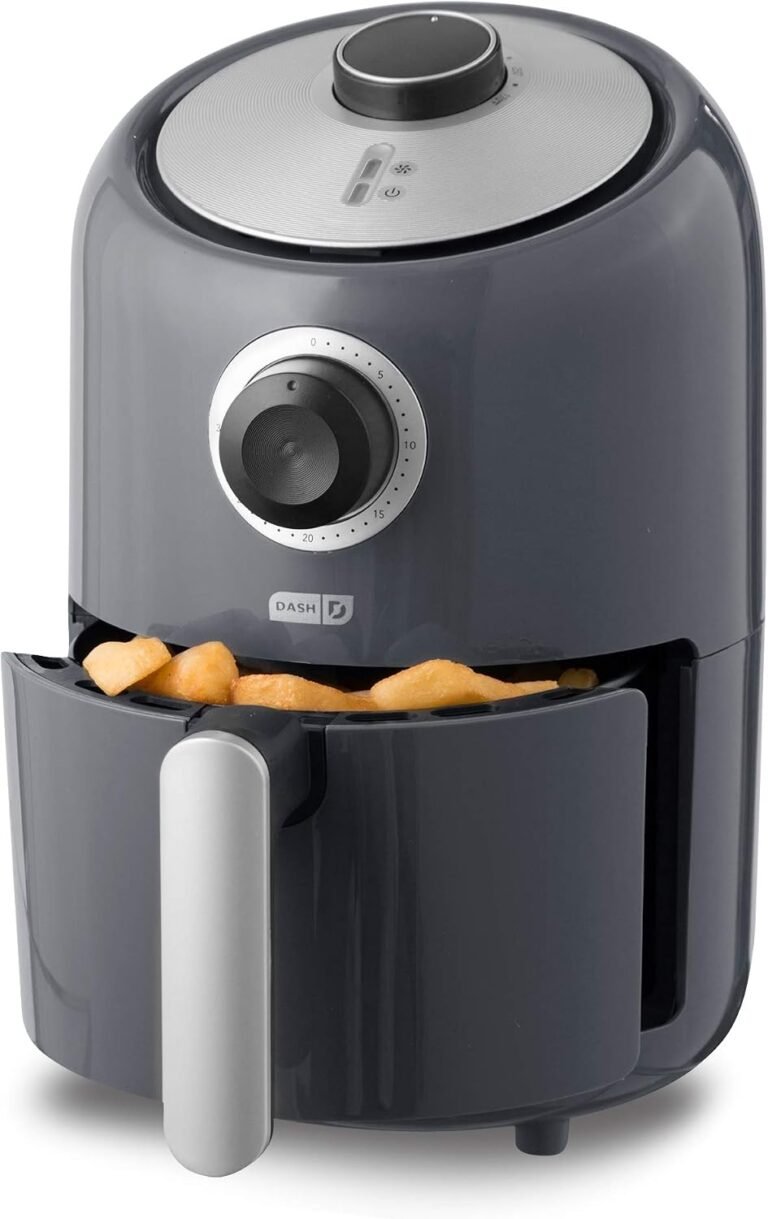
Both appliances use dry heat to cook food, but they do it very differently. An air fryer is basically a small convection oven that circulates hot air rapidly for that fried texture. A traditional oven uses a larger space that takes longer to preheat and cook. This difference affects everything from your electric bill to how your roasted vegetables turn out, so knowing what each does best is key.
- Speed: Air fryers preheat in minutes and cook up to 25% faster than ovens.
- Energy use: Air fryers are cheaper to run because they heat a tiny space.
- Capacity: Ovens win for big batches, whole chickens, and baking multiple trays.
- Crispiness: Air fryers nail that crunchy texture with just a little oil.
- Versatility: Ovens can broil, bake, roast, and dehydrate, while air fryers are more limited.
Below, we break down the biggest differences between these two kitchen workhorses so you can pick the one that fits your life. Let’s walk through the details you need to make the smartest choice for your cooking style.
Air Fryer Benefits Compared to a Traditional Oven
You are probably wondering which appliance deserves that precious counter space. We found that the best way to decide is to look at how you actually cook on a Tuesday night. Are you reheating leftovers for one, or are you roasting a whole chicken for Sunday dinner?
Let’s break down the key differences between an air fryer and a conventional oven. We’ll look at cooking time, energy bills, and the final texture of your food so you can make the right call for your kitchen.
Speed and Preheating Time
Nobody likes waiting for the oven to preheat. That ten-minute gap feels like an eternity when you are hungry. An air fryer completely skips this problem.
We found that most air fryers are ready to go in about three to five minutes. Because the cooking chamber is so small, the hot air reaches the target temperature almost instantly. A traditional oven, on the other hand, can take anywhere from ten to fifteen minutes just to heat up.
This speed difference adds up. If you use your oven daily, you are spending nearly two hours a week just waiting for it to warm up. With an air fryer, you are already cooking by the time your oven would even start to get warm.
Energy Efficiency and Your Electric Bill
Here is a simple way to think about it: you are paying to heat the space inside the appliance. A big oven has a massive cavity that requires a lot of power to fill with heat. An air fryer is like a tiny hot box.
Many energy guides point out that smaller appliances use significantly less electricity for the same cooking task (U.S. Department of Energy). We found that an air fryer can use about half the energy of a standard electric oven for similar meals. That is because it heats a much smaller volume of air.
Over a month, that difference really shows up on your utility bill. If you cook small meals frequently, the air fryer is the clear winner for your wallet. If you only use the oven once a week for a big roast, the impact is less noticeable.
Counter Space and Kitchen Storage
Space is a real issue for most of us. A standard oven is built into the kitchen, so it does not take up counter space. An air fryer is a bulky appliance that sits right on your countertop.
You have to give up prime real estate for it. We found that many people struggle with this trade-off. Some newer models are designed to be tall and slim, but they still take up a footprint that could hold a coffee maker or a stand mixer.
Ask yourself where you will put it when it is not in use. If you have a large kitchen with lots of empty counter space, this is not a big deal. If you are working with a tiny galley kitchen, finding a permanent home for an air fryer can be a challenge.
How Cooking Results Differ Between Appliances
You care about the final dish, right? The texture and taste are what really matter. Let’s get into the actual results you can expect from these two cooking methods.
Crispiness and Texture
An air fryer is famous for one thing: making food crispy. It blows hot air around at high speed, which pulls moisture away from the surface of the food. That is how you get that golden, crunchy exterior without deep frying.
Think about frozen french fries. In the oven, they often come out pale and soggy unless you flip them halfway. In the air fryer, they come out perfectly browned and shatteringly crisp. The rapid air circulation mimics the effect of frying oil.
We found that for foods like chicken wings, mozzarella sticks, and reheat pizza, the air fryer is unmatched. It revives leftovers to a state that is often better than the original meal. An oven just cannot recreate that intense, dry heat on all sides of the food.
Moisture Retention in Larger Cuts
Here is where the oven strikes back. For big pieces of meat, the size of the air fryer becomes a problem. You can fit a small chicken in a larger air fryer, but it is tricky.
Ovens excel at low and slow cooking. The larger space allows for better heat distribution around a big roast. This prevents the outside from burning before the inside reaches the right temperature.
If you are cooking a whole turkey breast or a large pork shoulder, the oven is the safer bet. We found that trying to cook a large roast in an air fryer often leads to an overcooked exterior and a raw center. The oven’s steady, enveloping heat is perfect for even cooking of thick cuts.
Baking and Desserts
Can you bake a cake in an air fryer? Yes, but you need to adjust your expectations. The small space can cause the batter to dome up quickly and hit the heating element.
Cookies and small pies work well in an air fryer. We found that the hot air circulation makes the bottoms of pastries exceptionally crisp. It is great for mini quiches or personal pot pies.
However, for serious baking projects like layer cakes, bread loaves, or large batches of cookies, the oven is non-negotiable. A conventional oven provides a stable, even temperature that is essential for baking chemistry. It is just a more reliable environment for desserts that need to rise slowly.
Capacity and Batch Cooking
You have to consider who you are cooking for. The air fryer benefits vs oven debate really heats up when you look at serving sizes. Let’s look at the numbers.
Feeding a Family vs. Cooking for One
Most air fryers have a basket capacity of about 4 to 6 quarts. That sounds like a lot, but the usable space is limited by the basket shape. You cannot pile food too high or the air won’t circulate properly.
This means you are cooking in batches. If you have a family of four, you might need to cook chicken tenders in two or three rounds. That completely defeats the purpose of the quick cooking time.
An oven has a huge cavity. You can easily cook a sheet pan of vegetables, a protein, and some side dishes all at once. For feeding more than two people, the oven is simply more practical for a full meal.
Using Oven Racks for Multiple Dishes
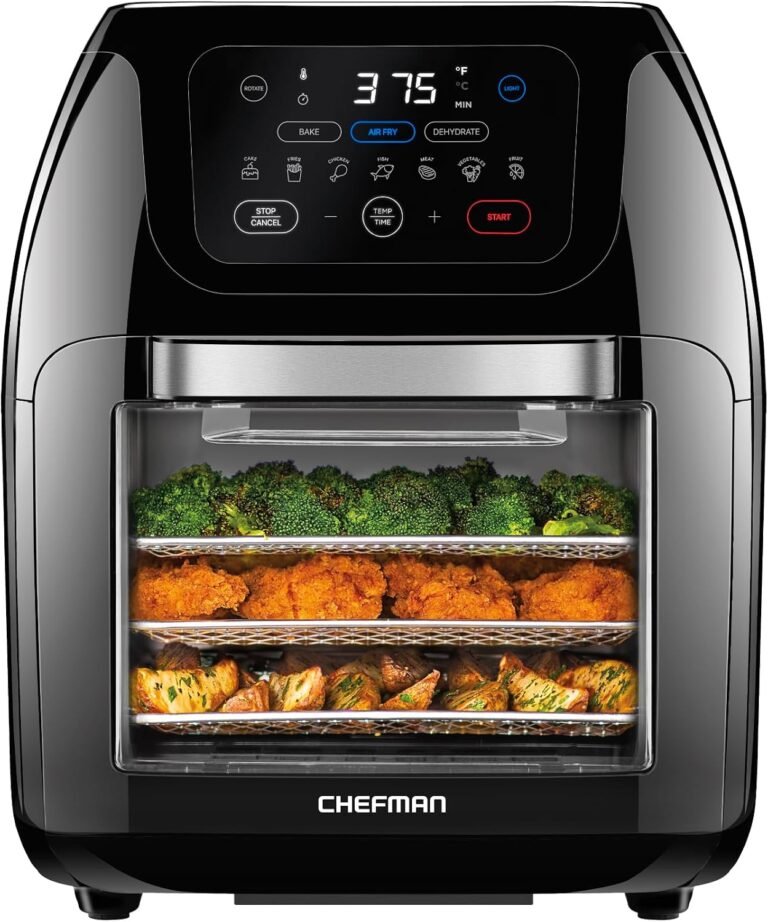
The oven allows you to use different racks. You can have a casserole on the bottom rack and roasted potatoes on the top rack. This is something an air fryer simply cannot do.
We found that this vertical cooking ability is a huge advantage for holiday meals. It lets you coordinate different dishes to finish at the same time. You are not waiting for one item to finish before starting the next.
An air fryer is a single-level cooking zone. You are limited to one type of food at a time. If you need variety in your meal, you will spend a lot of time shuffling batches in and out.
Versatility and Different Cooking Functions
Let’s look at what else these machines can do besides roasting and baking. You might be surprised by the range of options here.
Broiling, Toasting, and Warming
An oven is a true multi-tool. It has a broil setting that uses intense top-down heat to brown cheese or caramelize the top of a casserole. It is also great for toasting open-faced sandwiches.
Ovens are also perfect for keeping food warm. You can hold a dish at a low temperature while the rest of the meal finishes cooking. This is great for busy family dinners where timing is always off.
Air fryers are starting to add more settings. Some models have a dehydrator mode for making jerky or dried fruit. However, they generally lack the high-heat broiling power of a standard oven.
Reheating Leftovers Effectively
This is where the air fryer shines in daily use. We found that reheating food in an air fryer is vastly superior to a microwave and better than an oven.
Pizza comes out with a crispy crust. Fried chicken stays crunchy instead of getting soggy. Even day-old french fries taste freshly made again. The rapid air circulation revives the texture of most foods.
An oven can do this too, but it takes much longer. You have to wait for the oven to preheat, and then the food can dry out if left in too long. For quick leftovers, the air fryer wins every time.
Health and Cooking Oil Usage
One of the biggest reasons people buy an air fryer is for healthier meals. Let’s see how the health aspect plays out compared to an oven.
Reducing Fat Intake
The whole point of an air fryer is to get that crispy texture with very little oil. You might need just a teaspoon of oil to get a golden exterior. This is a massive reduction compared to deep frying.
Research suggests that air frying can significantly lower the fat content of foods compared to traditional deep frying (Journal of Food Science). You get the same satisfying crunch without all the extra calories.
However, an oven is not a slouch here either. You can roast vegetables with just a drizzle of oil. The main difference is time. The oven will take twice as long to get the same crispy result as an air fryer.
Acrylamide Formation in Cooking
Acrylamide is a compound that forms when starchy foods are cooked at high temperatures. Many health organizations, including the FDA, are looking into its long-term effects.
Air frying reduces acrylamide formation compared to deep frying. This is because it uses less oil and often requires lower temperatures than deep frying. That is a clear health win.
But it is important to remember that roasting in the oven also produces some acrylamide. The difference between the two appliances here is not huge. The bigger win is switching away from deep frying entirely.
Ease of Cleaning and Maintenance
Let’s be honest—nobody likes scrubbing a greasy oven. The cleaning routine is a huge factor in how often you will actually use the appliance.
Simple Basket Cleanup
Air fryers are surprisingly easy to clean. Most baskets and trays are coated with a non-stick surface. They pop right out of the machine.
You can usually just toss them in the dishwasher. If you hand wash, a quick soak in hot soapy water gets them clean in minutes. The small surface area means less scrubbing time overall.
An oven is a nightmare to clean. You have to deal with baked-on grease and food spills. Self-cleaning cycles are smelly and take hours. We found that this difference alone makes people reach for the air fryer more often.
Maintenance of the Heating Elements
Air fryers have a fan and a heating coil that need occasional attention. If you use a lot of oil, the fan can get grimy over time. Many models are designed with removable parts to make this easier.
Ovens have heating elements at the top and bottom. They generally burn off residue on their own. The main maintenance for an oven is cleaning the glass door and the floor of the unit.
Here is a quick comparison of the cleaning effort involved:
| Task | Air Fryer | Oven |
|---|---|---|
| Daily Cleaning | Quick rinse of the basket | Wipe down spills |
| Dishwasher Safe | Most parts are yes | Rarely |
| Deep Cleaning | Every few weeks | A few times a year |
| Time to Clean | 5-10 minutes | 30-60 minutes |
Safety Considerations in Your Kitchen
Safety is a top concern, especially if you have kids or pets running around. Both appliances have their own risks that you should know about.
Heat and Burn Risks
An air fryer gets extremely hot on the outside. The exterior shell can cause burns if you brush against it while it is running. The hot basket is also a hazard when you pull it out to shake the food.
An oven has a heavy door that can be left open. The exposed heating elements inside the oven are a burn risk. However, the heat is generally contained inside the box, making it slightly safer in a busy kitchen.
We found that the air fryer’s smaller size often puts it closer to the edge of the counter. This makes it more accessible
Conclusion
You now know the real trade-offs. If you cook for one or two people and want crispy food fast, an air fryer is a smart pick. It saves time, uses less energy, and keeps your kitchen cooler. For feeding a family, baking, or cooking big cuts of meat, your oven is still the workhorse.
The best setup? Use both. Air fry your sides and reheat leftovers in minutes. Save the oven for weekend roasts and holiday meals. Start by using your air fryer for your next batch of frozen fries or chicken wings. You will see the difference right away.
Frequently Asked Questions
Can I replace my oven completely with an air fryer?
You can, but you will run into limits. Baking large items, roasting a whole turkey, or making multiple dishes at once is tough in a small basket. Most people find they still need an oven for big meals. Use an air fryer for everyday cooking and keep the oven for the heavy lifting.
Does air fried food actually taste like deep fried food?
It gets close, but it is not identical. The rapid hot air creates a crispy exterior with just a little oil. You miss that rich, greasy flavor of deep frying. Most people say the texture is what wins them over, not the exact taste.
Is an air fryer cheaper to run than an oven?
Yes, for small meals. The air fryer heats a much smaller space, so it uses less electricity. We found you could save about half the energy compared to a standard oven. The savings add up if you cook small portions daily. For one big roast, the oven cost is not much different.
What foods do not work well in an air fryer?
Anything with a wet batter is a problem. The high fan blows the coating right off. Leafy greens like spinach can fly around and burn quickly. Large roasts and whole chickens are too big for most baskets. Stick to foods that benefit from direct hot air circulation.
How long does an air fryer take to cook food compared to an oven?
An air fryer is about 25% faster on average. It also skips the long preheat time. Chicken wings that take 40 minutes in the oven are done in 20 minutes in an air fryer. You save time on almost every meal, especially frozen foods and leftovers.