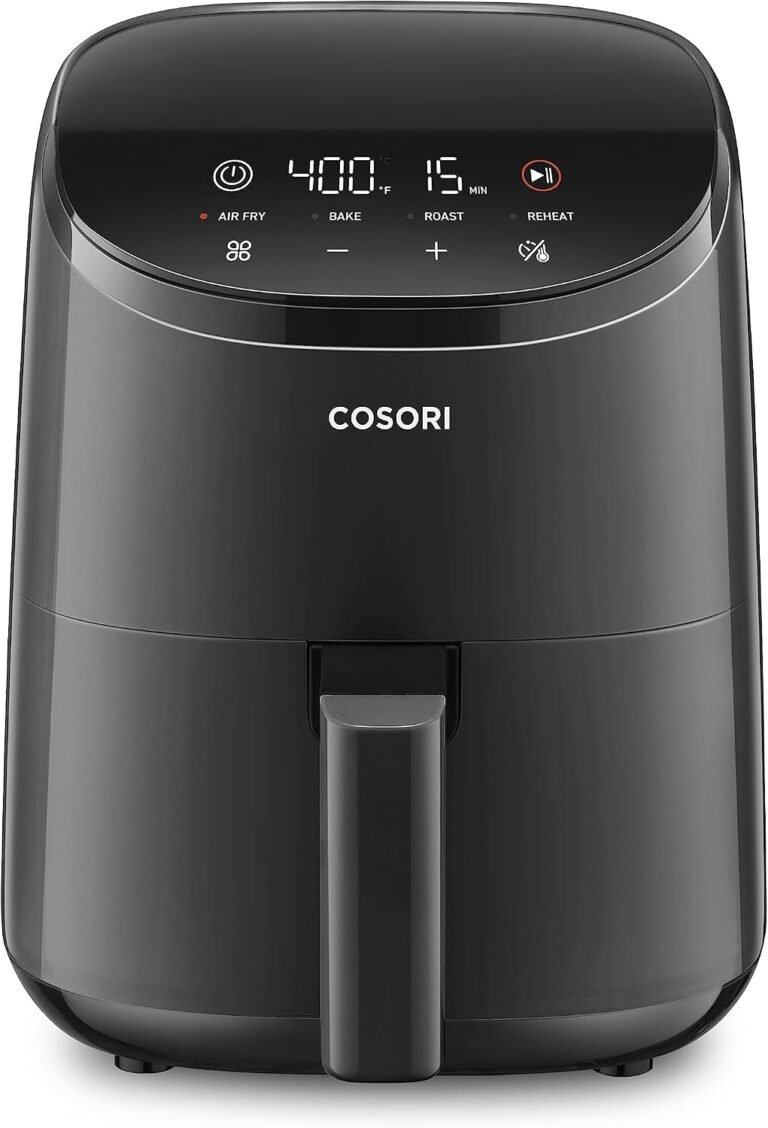
Air Fryer vs Dehydrator: Which One to Buy?
If you want crispy food fast, choose an air fryer. If you want to preserve food for months, choose a dehydrator. The main difference comes down to cooking speed versus long-term food preservation. An air fryer uses rapid hot air to cook meals in minutes, while a dehydrator uses low, steady heat to remove moisture over many hours. That single difference changes what each machine can do for your kitchen.
We found that many people buy one and wonder if they missed out on the other. You might want crunchy fries on a weeknight, but you also want beef jerky for hiking trips. Knowing the strengths and limits of each appliance helps you make the right call before spending your money. Both can dry herbs and make snacks, but they serve very different daily purposes.
- Air fryers cook and crisp food fast using circulating hot air.
- Dehydrators remove moisture slowly to preserve fruits, meats, and veggies.
- An air fryer can dry some items, but it lacks precise low-temperature control.
- A dehydrator cannot crisp frozen fries or roast a chicken in under 30 minutes.
- Your choice depends on how often you cook fresh meals versus make shelf-stable snacks.
Below, we break down exactly how each machine works, what it does best, and which one fits your daily routine. Let’s walk through the details so you can pick the right tool without any guesswork.
Choosing Between an Air Fryer and a Dehydrator
You likely want one countertop appliance that does it all. The truth is, air fryers and dehydrators solve different problems. We found that understanding the core function of each machine clears up most of the confusion.
An air fryer is a small convection oven. A dehydrator is a low-temperature drying box. That is the simplest way to think about them.
How an Air Fryer Works
An air fryer has a heating element and a strong fan. The fan pushes hot air around the food at high speed. This rapid circulation creates a crispy outer layer.
Think of it like a tiny, powerful oven that cooks food in half the time. It reaches temperatures between 200°F and 400°F. That heat is perfect for browning and crisping.
Why Speed Matters for Cooking
You can cook frozen fries in 15 minutes. You can roast chicken wings in 25 minutes. The high heat makes the food ready fast.
Research shows that air frying can reduce the formation of certain harmful compounds compared to deep frying (National Institutes of Health). It uses almost no oil, which lowers calories. You get the crunch without the grease.
How a Dehydrator Works
A dehydrator uses a heating element and a fan too. But it operates at much lower temperatures, usually between 95°F and 165°F. The goal is to remove moisture, not to cook the food.
The low heat dries food slowly over several hours. This process stops bacteria and mold from growing. That is why dehydrated food lasts for months.
Why Low Heat Matters for Preservation
When you dry fruit at 135°F, you keep most of the nutrients. The food becomes shelf-stable. You can store jerky, apple chips, and dried herbs for a long time.
Many experts say that proper dehydration prevents food spoilage without needing a freezer (CDC). You can take these snacks camping or hiking without worry.
What Each Machine Does Best in Daily Use
Your morning and evening routines change based on which appliance you own. We found that air fryers win for quick meals. Dehydrators win for meal prep and long-term storage.
Air Fryer Wins for Weeknight Dinners
After a long day, you want food on the table fast. An air fryer preheats in 3 minutes. It cooks a full meal without heating up your whole kitchen.
You can make: – Crispy chicken tenders – Roasted vegetables – Reheated pizza that tastes fresh again – Baked potatoes in under 40 minutes
The texture is the main attraction. Hot air creates a crunchy exterior that mimics deep frying. You get that satisfying bite without the oil.
Dehydrator Wins for Snack Prep
If you love making your own snacks, a dehydrator is a game changer. You buy fruit in bulk and dry it before it goes bad. This cuts down on food waste.
The best part is the control you have. You can make: – Beef jerky with exactly the seasonings you love – Fruit leather from leftover puree – Vegetable chips that are actually healthy – Powdered herbs for your spice rack
We found that people who dehydrate regularly use it once a week for batch prep. It runs overnight, and you wake up to snacks ready for storage.
Can They Do the Same Jobs?
You might see videos online showing someone drying herbs in an air fryer. Yes, it can work in a pinch. But the results are not the same.
Drying Herbs in an Air Fryer
An air fryer has a minimum temperature around 150°F on the low setting. Many models go down to 120°F. This is too hot for delicate herbs like parsley or basil.
The high fan speed can blow the herbs around. They might fall through the basket holes. We found that herbs dry unevenly and can burn at the edges.
Crisping Food in a Dehydrator
A dehydrator cannot reach high enough temperatures to crisp food. It maxes out around 165°F. That is too low to brown the outside of potatoes or chicken.
You will get chewy, dry results instead of crispy ones. The texture is completely different. Do not buy a dehydrator hoping for crunchy fries, because you will be disappointed.
Comparing Costs and Kitchen Space
Price and counter space matter in a real kitchen. We found that both appliances are affordable, but they are not interchangeable.
| Feature | Air Fryer | Dehydrator |
|---|---|---|
| Average cost | $60 to $200 | $50 to $150 |
| Counter space | Compact, fits under cabinets | Bulkier, often taller |
| Cooking time | 10 to 30 minutes | 4 to 12 hours |
| Best for | Quick meals and reheating | Batch snacks and preservation |
| Energy use | Short bursts of high heat | Continuous low heat for hours |
An air fryer heats up fast and finishes quickly. That means less energy used per meal. A dehydrator runs for many hours, which uses more electricity overall.
You should measure your counter space before buying. A dehydrator with 6 to 9 trays takes up significant room. Air fryers are usually more compact and easier to store.
How to Decide Based on Your Routine
We found that the best choice depends on your habits. Ask yourself one simple question: What do I do when I am hungry right now?
When You Should Get an Air Fryer
Buy an air fryer if you cook fresh meals most nights. It fits a busy schedule and delivers quick results. You will use it for frozen foods, meats, and roasted veggies.
The model we recommend for most people holds 5 to 6 quarts. That size fits a whole chicken or a large batch of fries. It also reheats leftovers without making them soggy.
Best Air Fryer Use Cases
Use it for: – Weeknight dinners under 30 minutes – Reheating fast food so it tastes fresh – Cooking for one or two people easily – Making crispy tofu or vegetables
When You Should Get a Dehydrator
Choose a dehydrator if you love meal prepping and avoiding food waste. It pays for itself if you buy fruit in bulk or hunt for bargains on meat for jerky.
You will need to plan ahead because drying takes time. A batch of jerky needs 6 to 8 hours. You set it up in the morning, and it is ready by afternoon.
Best Dehydrator Use Cases
Use it for: – Making healthy snacks without added sugar – Preserving garden herbs and vegetables – Creating emergency food storage supplies – Making dog treats with simple ingredients
Hidden Features to Look For
Not all machines are the same. We found that certain features make a big difference in daily use.
Air Fryer Features That Matter
Look for a model with a wide temperature range. Some go up to 450°F, which is great for roasting. Dishwasher-safe baskets save you time on cleanup.
A window in the drawer helps you check food without opening it. That keeps the heat inside and speeds up cooking. Digital controls are easier to set precisely than dials.
Dehydrator Features That Matter
Adjustable temperature control is essential. You need different settings for meat, fruit, and herbs. A timer with auto shutoff prevents over-drying overnight.
Check the number of trays. A 5-tray model handles small households. Big families want 9 to 12 trays for serious batch drying. Rear-mounted fans dry more evenly than top-mounted ones.
Smart Storage and Maintenance Tips
Both appliances need simple care to last for years. We found that cleaning routine is the main factor in whether people keep using them.
Cleaning Your Air Fryer
Clean the basket after every few uses. Most are nonstick and rinse clean quickly. The heating element needs wiping down every couple of weeks.
Do not submerge the main unit in water. That can damage the electronics. Use a damp cloth for the outside and handle the basket carefully.
Cleaning Your Dehydrator
Sticky fruit residue can be tough to remove. Soak trays in warm soapy water after each batch. Many trays are dishwasher safe, which simplifies everything.
The heating element and fan should be wiped dry after heavy use. Store the dehydrator in a dry place to prevent rust on the trays.
Quick Decision Checklist Before You Buy
We put together a quick checklist to help you make the call today. Read each item and see which one you say yes to more often.
- You want dinner fast on weeknights
- You love crispy texture without deep frying
- You make jerky or dried fruit regularly
- You have counter space for a tall appliance
- You buy produce in bulk and worry about spoilage
- You reheat leftovers and want them to taste fresh
If you checked more items in the first column, an air fryer is your pick. If the preservation items won, a dehydrator fits better. Some people honestly want both, and that is a great long-term plan.
Our best advice: start with the one that solves your most frequent problem. Add the other later when you are ready to expand your snack game. That way you get the most value from each purchase.
Conclusion
You now know the real difference: an air fryer cooks fast, and a dehydrator preserves food slowly. One gets dinner on the table, and the other fills your pantry with shelf-stable snacks. We found that most people need one more than the other based on their daily habits.
Start with the appliance that solves your biggest kitchen problem right now. If crispy weeknight meals matter most, get the air fryer. If you want to cut food waste and make jerky, get the dehydrator. You can always add the other later. Pick one, use it often, and you will get real value from your purchase.
Frequently Asked Questions
Can you use an air fryer to make beef jerky?
Yes, but it requires you to leave the air fryer running for 4 to 6 hours. Most air fryers are not designed for overnight use, so you will have to babysit the process.
The results are usually chewier and less consistent than a dehydrator. The low-temperature setting on many models still runs a bit hot for proper jerky making.
Which appliance uses more electricity?
A dehydrator uses more electricity per batch because it runs for many hours straight. An air fryer uses high watts for a short time and then shuts off.
We found that air frying a meal typically costs less than running a dehydrator for 8 hours. If you use the dehydrator weekly, the difference will show up on your bill.
Is a dehydrator just a cheap air fryer?
No, they are completely different tools. A dehydrator runs at low temperatures to pull moisture out of food. An air fryer uses high heat for quick cooking and crisping.
You cannot substitute one for the other without major compromises. They solve separate problems in your kitchen, so neither one is a budget version of the other.
What foods should you never put in a dehydrator?
Avoid drying fatty meats like bacon or sausage because the fat goes rancid quickly during storage. Skip dairy products like cheese and milk, which spoil instead of drying safely.
You should also avoid foods with strong odors, like onions or garlic, because they will scent the trays permanently. Stick to lean meats, fruits, and vegetables for the best results.
How long do dehydrated foods actually last?
Properly dried and stored food lasts between 6 months and a year. The exact shelf life depends on how well you remove moisture and how you store the finished product.
Keep your dried food in airtight containers in a cool, dark place. We found that vacuum-sealed jars extend the shelf life the most, keeping your snacks fresh for months.