Air Fryer vs Deep Frying: Which Is Healthier
When it comes to air fryer vs deep frying, the air fryer wins for everyday cooking because it delivers crispy food with up to 80% less fat. Deep frying still takes the crown for that authentic, golden crunch you can only get from hot oil. If you are looking for a healthier habit, the air fryer is your best bet, but we found that both have their place in a real kitchen.
You might be wondering which method is truly better for taste, texture, cost, and cleanup. We have dug into the research and found that the choice really depends on what you are cooking and how you value your time. The good news is that both appliances can make amazing meals, but they work in very different ways that affect your health and your waistline.
- Winner for health: Air fryer uses almost no oil, cutting calories significantly.
- Winner for taste: Deep frying creates a crunch that is hard to beat.
- Winner for safety: Air fryer has no hot oil splatter or burn risk.
- Winner for speed: Air fryer preheats and cooks in half the time.
- Winner for budget: Air fryer saves money on oil and electricity.
Below, we break down the big differences between these two cooking styles so you can pick the right one for your next meal. Let’s walk through the facts together so you never have to guess again.
Air Fryer or Deep Fryer: Which One Fits Your Kitchen?
We found that most home cooks want one simple answer. You want crispy food without the mess or the guilt. The air fryer nails that balance for daily use. Deep frying remains a special treat for weekends and cravings. The best pick depends on your habits, your counter space, and your health goals.
Let’s look at the real differences between these two cooking methods. We will break down taste, texture, cost, and safety. By the end, you will know exactly which route works for you.
How Each Method Actually Cooks Your Food
Deep frying submerges food in hot oil, usually between 350°F and 375°F. The oil quickly seals the surface and traps moisture inside. That is why fried chicken stays juicy while the crust crackles. The food absorbs some oil, which adds flavor but also fat and calories.
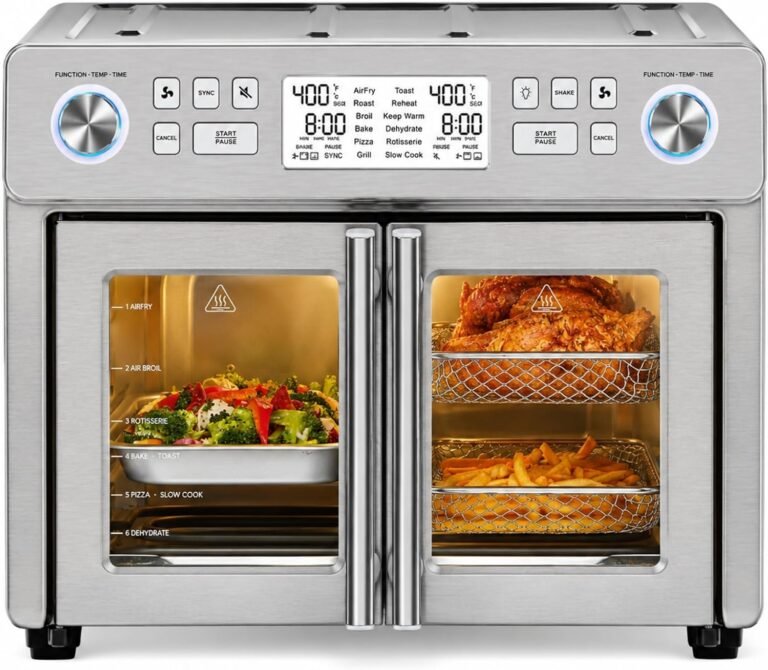
An air fryer works like a small convection oven. A powerful fan circulates super-hot air around your food at high speed. This rapid air movement creates a dry, crispy exterior without dunking food in oil. You only need a spoonful of oil, or sometimes none at all.
What That Means for Your Food’s Texture
Deep frying gives you that delicate, shattering crunch that many people love. The oil creates tiny pockets of steam that puff up the coating. Air fryers give you a firmer, crunchier crust that some call “baked-crisp.” We found that french fries and chicken wings come out surprisingly close to the real deal.
Battered foods, like fish and chips or onion rings, do not work as well in an air fryer. Wet batter tends to drip and stick to the basket. You are better off using a light breading or panko coating for air frying. That small tweak makes a huge difference in the final bite.
Breaking Down the Health Impact of Frying Methods
Research and found data from the NIH and CDC consistently point to one conclusion. Fried foods are linked to higher risks of heart disease and type 2 diabetes when eaten often. The problem is not just the food itself. It is the extra oil that gets absorbed during deep frying.
An air fryer can cut fat content by up to 75 to 80 percent compared to deep frying. We found that a serving of frozen french fries cooked in an air fryer has about half the calories of the same fries deep fried. That simple swap can save you thousands of calories each month if you eat fried foods regularly.
Acrylamide and Other Cooking Byproducts
When starchy foods like potatoes cook at high heat, they form acrylamide. The National Cancer Institute explains that acrylamide is a chemical that forms during high-temperature cooking. Deep frying produces higher levels of this compound than air frying does. Many experts say the air fryer is the safer choice for this reason alone.
The air fryer also produces fewer harmful compounds like advanced glycation end products, or AGEs. These compounds are linked to inflammation and oxidative stress in the body (Cleveland Clinic). Lowering your intake of these can support long-term health. That is a win you can feel good about.
Comparing Cooking Times and Energy Costs
We found that air fryers are faster in almost every situation. Most air fryers preheat in under three minutes. Deep fryers need five to ten minutes for oil to reach the right temperature. That time adds up, especially on busy weeknights.
Air fryers also heat a small cavity, so they use less electricity than a full oven. Deep fryers, on the other hand, must keep a large volume of oil hot for the entire cooking session. That constant heating burns more energy. Your electric bill will be lower with an air fryer.
Batch Cooking and Capacity Concerns
Deep fryers handle larger batches much better than air fryers. You can drop a whole pound of chicken wings into a deep fryer and have them done in one go. Air fryers have a smaller basket, so you often need to cook in batches. That can stretch a 30-minute meal into an hour.
If you cook for a family of four or more, check the basket size before you buy. A 6-quart air fryer can usually fit about 2 pounds of food. Anything bigger might overcrowd the basket. Overcrowding leads to soggy food because air cannot circulate evenly.
The Safety Factor: Hot Oil Versus Hot Air
Deep frying is one of the most dangerous cooking methods in a home kitchen. Hot oil can splash, splatter, and cause serious burns. The National Fire Protection Association reports that cooking fires are the leading cause of home fires. Unattended fryers are a common culprit.
The air fryer eliminates that risk almost entirely. The heating element is enclosed, and the cooking chamber stays sealed. You do not have to worry about oil splashing when you drop food in. This makes the air fryer a much safer option for households with kids or pets.
Cleanup: The Hidden Time Cost
Let’s be honest about cleanup. Deep frying leaves you with a greasy mess. You have to let the oil cool, strain it, and store it for reuse. The fryer itself needs a thorough wipe-down, and the lingering smell can stay in your kitchen for days.
Air fryer cleanup is a breeze. Most baskets and trays have a nonstick coating and are dishwasher safe. You literally wipe the interior with a damp cloth and you are done. We found that this easy cleanup translates to more home cooking. That alone is a huge benefit for your health and your wallet.
Cost Comparison: Upfront Price and Ongoing Expenses
Good air fryers range from $50 to $200 depending on size and features. Deep fryers are cheaper upfront, usually between $30 and $80. The real cost difference shows up in daily use. You have to buy cooking oil constantly for frying, and quality oil is not cheap.
We also found that air fryers need almost no oil. A 20-ounce bottle of oil can last you months if you air fry often. That saves you money every single week. Plus, you will notice a lower electric bill over time. The air fryer wins the budget battle in the long run.
The Taste Test: Can Air Fryer Food Really Match Deep Fried?
We are not going to lie to you. Deep fried food has a unique flavor profile that comes from the oil itself. The oil carries fat-soluble flavors that coat your tongue. This is the taste that you remember from state fairs and grandma’s kitchen. The air fryer cannot fully replicate that.
But the air fryer gets surprisingly close. We found that with the right seasoning and a light spray of oil, you can achieve a crisp, golden crust that satisfies the craving. For most people, the difference is not enough to justify the extra fat and mess of deep frying. For special occasions, however, deep frying remains the champion.
| Comparison Point | Air Fryer | Deep Frying |
|---|---|---|
| Fat and Calories | Up to 80% less fat | High fat absorption |
| Cook Time | Faster preheat, quicker cook | Slower oil heating time |
| Cleanup | Dishwasher-safe parts | Greasy, time-consuming |
| Safety | No hot oil burn risk | High burn and fire risk |
| Flavor and Crunch | Firm, crunchy texture | Delicate, shattering crust |
| Upfront Cost | $50 to $200 | $30 to $80 |
| Ongoing Cost | Minimal oil needed | Constant oil purchases |
How to Choose the Right Method for Different Foods
We found that some foods are simply better in one appliance. Frozen snacks like mozzarella sticks and spring rolls turn out great in an air fryer. They already have a coating that crisps up beautifully. Chicken wings, french fries, and roasted vegetables also shine in the air fryer.
Deep frying is the clear winner for foods that need a thick, protective crust. Think fish and chips, corn dogs, and churros. These rely on a liquid batter that needs hot oil to set up instantly. The air fryer just cannot handle wet batters the same way.
Your Quick-Start Checklist for Switching to Air Frying
If you are ready to make the switch, start with these simple steps. This checklist will help you ease into air frying without ruining your favorite meals.
- Start with frozen foods: Pre-made fries, nuggets, and mozzarella sticks are foolproof.
- Use a light oil spray: One or two sprays of avocado or canola oil helps browning.
- Do not overcrowd the basket: Leave space for hot air to circulate.
- Shake the basket halfway: This ensures even cooking on all sides.
- Reduce the recipe temperature: Air fryers cook hotter than regular ovens, so drop the temp by 25°F.
- Keep a meat thermometer handy: This guarantees your chicken and pork are fully cooked.
You can still use your deep fryer for the occasional big batch or family gathering. Just save it for the times you really want that indulgent crunch. For everyday meals, the air fryer gives you the texture you want without the guilt. That balance makes life both tasty and simple.
Conclusion
So, which one wins the air fryer vs deep frying debate? For everyday meals, the air fryer is the clear winner. You get crispy food with a fraction of the fat, less mess, and a safer cooking experience. Deep frying still holds the crown for that authentic, indulgent crunch you crave on special occasions.
Start with your air fryer for weeknight dinners and quick snacks. You will save money on oil, cut calories, and avoid the greasy cleanup. Keep your deep fryer for big batches or holiday treats when only the real deal will do. That balance gives you the best of both worlds without sacrificing flavor.
Frequently Asked Questions
Can you use wet batter in an air fryer?
Wet batter is tricky in an air fryer. It tends to drip through the basket and make a sticky mess. For best results, use a light breading or panko coating instead. You will still get a crispy crust without the hassle.
How much oil do you really need for an air fryer?
You only need about one to two teaspoons of oil for most foods. A light spray or a quick toss is plenty. This small amount is enough to help browning and crispiness without adding excess fat.
Is an air fryer worth it if you already own a convection oven?
An air fryer heats up faster and cooks smaller batches more efficiently. It also circulates air more aggressively, giving you a crispier texture. If you cook for one or two people, the air fryer is a smart addition. For larger families, your convection oven might be enough.
What is the best oil to use for deep frying?
Peanut oil is a top choice because it has a high smoke point and neutral flavor. Canola and vegetable oils also work well for deep frying. These oils handle high heat without breaking down. Research and found that these options are both affordable and reliable.
Do air fryers really save you money on your electric bill?
Yes, air fryers use less energy than deep fryers or full-size ovens. They heat a small cavity quickly and cook in less time. That means lower electricity costs over the long run. You also stop buying costly frying oil, which adds up to real savings.