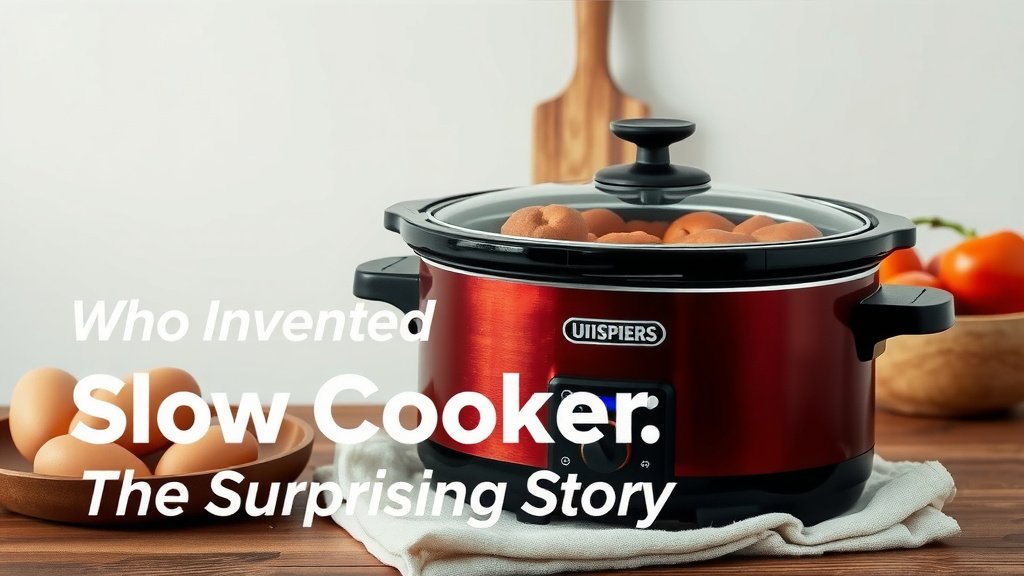
Who Invented the Slow Cooker: The Surprising Story
The invention of the slow cooker is often credited to Irving N. Lewis. He patented a new type of pot-style cooker in 1950. This design is what most people picture when they think of a slow cooker today. It made cooking delicious meals much easier for busy families.
Before Lewis’s design, similar cooking vessels existed for centuries. Ancient cultures used covered pots buried in embers. These methods provided a slow, steady heat for cooking. However, Lewis’s invention brought this convenient cooking style into the modern kitchen, making it widely accessible and popular.
- The slow cooker’s invention is widely attributed to Irving N. Lewis.
- He patented a pot-style cooker in 1950.
- This design simplified home cooking for many.
- Similar slow-cooking methods have existed for a long time.
Let’s dive into the history and figure out exactly who invented this kitchen staple and how it became so beloved.
The Origins of Your Crock-Pot: Who is Responsible?
So, you’re curious about the genius behind your favorite kitchen gadget. You want to know who actually invented the slow cooker. We’ve got you covered!
The person most widely credited with inventing the modern slow cooker is Irving N. Lewis. He developed and patented a cooker that looks very much like the ones we use today. His design featured a ceramic insert and a metal heating base. It was a true innovation for home cooks.
Before the Electric Crock: Ancient Roots of Slow Cooking
The idea of slow, gentle cooking isn’t new. Humans have been cooking food slowly for thousands of years. It’s an ancient technique, really.
Think about our ancestors. They didn’t have electric appliances. They relied on natural heat sources. One common method was to use sealed pots. These pots were then buried in hot embers or coals. This provided a consistent, low heat for hours. It allowed tougher cuts of meat to become tender and flavorful. Evidence suggests cultures in Mesopotamia and ancient Rome used similar techniques (archaeological findings indicate this).
The Evolution Towards Modern Appliances
Fast forward many centuries. The Industrial Revolution brought new technologies. This sparked ideas for making cooking easier and more efficient.
Early versions of electric cookers started appearing. These were often larger, stovetop appliances. They aimed to provide controlled heating. However, they weren’t quite the convenient, countertop devices we know. They paved the way, though, for what was to come.
Irving N. Lewis and the “Naxon Bean Pot”
This is where Irving N. Lewis steps into the spotlight. He was an engineer working for a company called Naxon Utilities. They were based in Chicago.
In the early 1950s, Lewis designed a new type of cooker. He was inspired by a Jewish cookbook. The book mentioned a slow-cooked bean dish called cholent. It was traditionally cooked for a long time. Lewis saw an opportunity to simplify this process for modern kitchens.
The Patent and the First “Slow Cooker”
Lewis’s patent was filed in 1950. It described a pot-style cooker. It had a heating element around a removable insert. This is the basic design that remains so popular today. He called his invention the “Naxon Bean Pot.” It was marketed as a way to cook beans. But home cooks quickly discovered it was perfect for many other dishes.
This design was a **major step forward**. It offered convenience and consistent results. It made home cooking more accessible for many families. People could set it and forget it. This freed up valuable time.
The Rise of the Crock-Pot: A Brand Takes Over
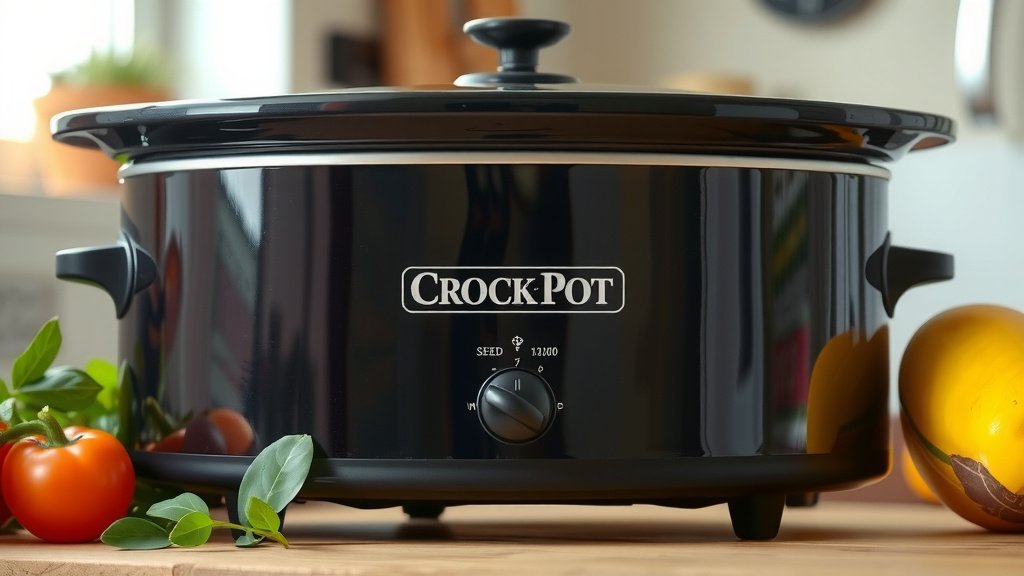
While Irving N. Lewis invented the appliance, the brand “Crock-Pot” truly popularized it. Rival company Rival Manufacturing acquired the patent rights for Lewis’s design. They then launched their product under the name “Crock-Pot.”
Rival Manufacturing began selling the Crock-Pot in the 1970s. It was a **huge success**. The marketing focused on ease of use. Busy families and working parents loved the idea of preparing meals ahead of time. You could come home to a delicious, fully cooked dinner. It was a simple yet revolutionary concept for the modern home.
How the Crock-Pot Became a Household Name
The Crock-Pot wasn’t just another kitchen appliance. It became a **cultural phenomenon**. It appeared in magazines and on television. Recipes specifically designed for slow cookers started to emerge.
The appliance offered several key benefits:
- Convenience: Prepare ingredients in minutes, then let the cooker do the work.
- Affordability: It allowed cooks to use less expensive cuts of meat. These could be made tender and flavorful over long cooking times.
- Flavor: The low, slow heat melded flavors beautifully. This resulted in rich, satisfying dishes.
- Safety: Compared to leaving a pot simmering on the stove all day, it was seen as a safer alternative.
Key Milestones in Slow Cooker History
Let’s recap the journey:
- Ancient Times: Basic slow cooking methods using embers.
- 1950: Irving N. Lewis patents his pot-style electric cooker.
- 1970s: Rival Manufacturing launches the “Crock-Pot” and it takes off.
- Modern Day: Slow cookers are a staple in millions of kitchens worldwide.
Did Other “Inventors” Contribute?
It’s always interesting to consider if anyone else had similar ideas around the same time. While Lewis is the recognized inventor of the modern electric slow cooker as we know it, the concept of slow, moist cooking has deep roots. Many cultures have their own variations of slow-cooking vessels and techniques.
For instance, some sources mention an earlier attempt by a Croatian inventor named Alexander D. Henderson. He filed a patent for a “cooking pot” in 1936. However, it wasn’t as widely adopted or as similar to the modern slow cooker design. Lewis’s patent and the subsequent commercial success of the Crock-Pot are what cemented its place in kitchen history.
What Makes the Slow Cooker So Enduring?
What is it about this appliance that keeps it so popular? It’s likely the perfect blend of simplicity and effectiveness. In our busy lives, any tool that saves time and effort is a winner.
The slow cooker requires minimal active participation. You can chop your veggies and meat in the morning. Toss them in the pot with some liquid and seasonings. Then, you leave for work. You return to a house filled with wonderful aromas. Dinner is ready to be served with minimal fuss. It’s like magic, but it’s just smart engineering!
Your Slow Cooker Today: A Legacy of Convenience
So, the next time you use your slow cooker, you can thank Irving N. Lewis. You can also appreciate the long history of slow cooking that inspired him. This humble appliance has truly made a big difference in how we cook and eat.
It’s a testament to how a simple idea can improve daily life. It brings warm, comforting meals to tables everywhere. Isn’t it amazing how a single invention can have such a lasting impact?
Quick Checklist: What We Learned About the Slow Cooker
- The modern electric slow cooker was patented by Irving N. Lewis in 1950.
- His design was inspired by traditional slow-cooked dishes like cholent.
- The appliance was initially called the “Naxon Bean Pot.”
- Rival Manufacturing popularized the device under the brand name “Crock-Pot.”
- Slow cooking methods have existed for thousands of years across different cultures.
- Its enduring popularity stems from its convenience and ease of use.
Conclusion
You’ve learned that while slow cooking has ancient roots, Irving N. Lewis is credited with inventing the modern electric slow cooker. His 1950 patent for the “Naxon Bean Pot” paved the way for the convenient appliance we know today. Rival Manufacturing later popularized it as the Crock-Pot, transforming kitchens with its ease of use.
This appliance’s journey from ancient embers to your countertop is a story of innovation meeting everyday needs. So, the next time you’re craving a home-cooked meal with minimal effort, take a moment to appreciate this kitchen staple. Why not plan your next slow cooker meal now and experience its convenience firsthand?
Frequently Asked Questions
Was Irving N. Lewis the only person to ever think of a slow cooker?
While Irving N. Lewis patented the modern electric slow cooker, the concept of slow, gentle cooking is ancient. Many cultures developed their own methods using natural heat. Lewis’s innovation was bringing this ancient technique into a convenient, electric appliance for the modern home.
What inspired Irving N. Lewis to invent the slow cooker?
Research shows Irving N. Lewis was inspired by a Jewish cookbook. It detailed a traditional bean dish called cholent, which required long, slow cooking. Lewis saw an opportunity to simplify this time-consuming method with an electric appliance for busy families.
Did the Crock-Pot brand invent the slow cooker appliance itself?
No, the Crock-Pot brand did not invent the slow cooker appliance. Irving N. Lewis patented the design in 1950. Rival Manufacturing acquired the patent rights and successfully marketed the appliance under the brand name “Crock-Pot,” making it a household name.
Can I use my slow cooker for more than just beans?
Absolutely! Although Lewis’s initial design was called the “Naxon Bean Pot,” home cooks quickly discovered its versatility. Today, slow cookers are used for a vast array of dishes, including stews, roasts, soups, chilis, and even desserts.
Are there any earlier patents similar to the slow cooker?
Some sources mention an earlier patent for a “cooking pot” filed in 1936 by Alexander D. Henderson. However, this design was not as widely adopted or as similar to the electric slow cooker that became popular. Lewis’s 1950 patent and the subsequent commercial success are what truly established the modern slow cooker.