Who Invented the Rice Cooker and When Was It Made
The modern electric rice cooker was invented by Hisaichi Fujii. He patented a design in 1951. This made cooking rice much easier. It automated a process that previously required careful attention.
Before Fujii’s invention, cooking rice was a manual task. People often used pots on stoves. This meant constant monitoring was needed. Fujii’s innovation brought convenience and consistency to kitchens worldwide. Many people now rely on this device for perfectly cooked rice.
- The electric rice cooker was invented by Hisaichi Fujii.
- He patented his design in 1951.
- This invention automated rice cooking.
- It brought convenience to home cooks.
Below, we’ll dive into the story behind this kitchen staple and who deserves the credit.
The Story Behind the Rice Cooker’s Invention
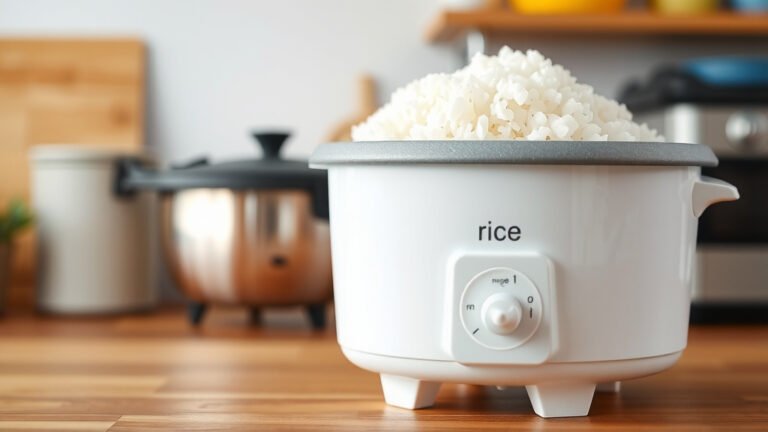
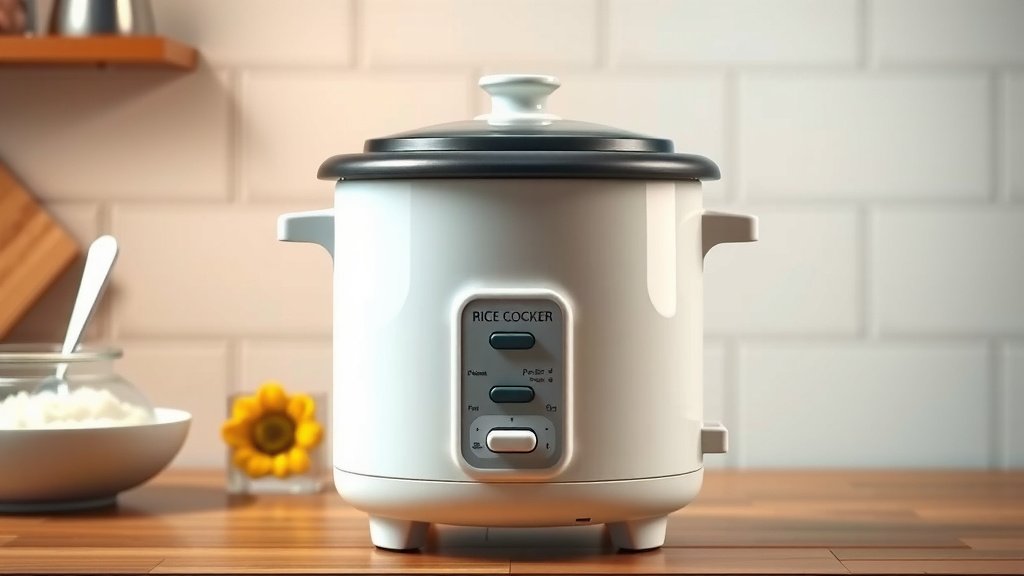
You might be wondering who gets the credit for this amazing kitchen helper. We found that the modern electric rice cooker was born out of a desire for easier, more consistent cooking. You might be wondering who gets the credit for this amazing kitchen helper; our guide to what a rice cooker is explains its function.
Hisaichi Fujii: The Pioneer of Automated Rice
The person we can thank for the electric rice cooker is Hisaichi Fujii. He was a Japanese engineer. Fujii envisioned a way to take the guesswork out of cooking rice.
The Patent That Changed Cooking
Fujii officially patented his revolutionary design in 1951. This wasn’t just any patent; it was the blueprint for the electric rice cooker as we know it. It marked a huge step forward from traditional methods.
Why Was This Invention So Important?
Before Fujii’s invention, cooking rice was a bit of an art form, and often a frustrating one. You had to watch it closely. Was it burning? Was it still too hard? It demanded constant attention.
We found that people would use pots on their stovetops. They’d often need to adjust the heat. They might even stir the rice. This manual process could lead to very different results each time. Sometimes it was perfect. Other times, it was a sticky mess.
The Need for Consistency
Imagine needing to cook rice perfectly every single day. It’s a staple food for so many people around the world. Having a device that could do it automatically was a dream. Fujii’s invention made that dream a reality for many households.
How Did Early Rice Cookers Work?
The early electric rice cookers weren’t quite as sophisticated as today’s models. But they laid the groundwork for everything that came after.
The Basic Principle
Fujii’s design relied on a simple, yet clever, mechanism. It used a bimetallic strip. This strip would bend when it reached a certain temperature. That temperature was typically the boiling point of water.
The Cooking Process
When the water boiled, it would heat up the bimetallic strip. As the water evaporated and the rice cooked, the temperature inside the cooker would rise above the boiling point. This higher temperature would cause the bimetallic strip to bend.
This bending action would then trigger a switch. The switch would cut off the power to the heating element. This prevented the rice from overcooking or burning. It was a neat, automatic way to stop the cooking cycle at just the right moment.
Limitations of Early Models
While revolutionary, these first rice cookers had their limits. They often didn’t have settings for different types of rice. They also didn’t have keep-warm functions. You got perfectly cooked rice, but then you had to eat it right away.
We found that some early models might still require a bit of manual intervention. For instance, some needed to be switched off manually if the temperature rose too high. But compared to stovetop cooking, it was a huge leap in convenience.
The Evolution of the Rice Cooker
Since Fujii’s initial patent, the rice cooker has seen many improvements. It’s evolved from a simple automatic cooker to a high-tech kitchen appliance.
Technological Advancements
Later models introduced microprocessors. These allowed for much more precise temperature control. They also enabled different cooking cycles.
Think about fuzzy logic. This technology allows the cooker to adjust cooking times and temperatures automatically. It can sense the rice and water consistency. It then adapts the cooking process for optimal results. Many experts say this is what truly perfected the rice cooker (Consumer Reports).
Added Features We Love
Today’s rice cookers come with so many handy features:
- Keep-warm functions: Your rice stays warm for hours.
- Delay timers: Set it and forget it for later.
- Special settings: Options for brown rice, sushi rice, and even steaming vegetables.
- Non-stick inner pots: Makes cleanup a breeze.
- Induction heating: Provides even cooking for incredibly fluffy rice.
Who Owns the Modern Rice Cooker Today?
While Hisaichi Fujii invented the concept and the first patent, many companies have since built upon his work. The company that first mass-produced electric rice cookers was Toshiba. They released their first model in 1955, based on Fujii’s design. Today, brands like Zojirushi, Cuckoo, and Aroma are well-known for their advanced rice cookers. They continue to innovate and improve the technology he started.
Checking Your Rice Cooker’s Smartness: A Quick Guide
So, how smart is your rice cooker? Consider these points:
- Does it have a simple on/off switch?
- Does it have a keep-warm setting?
- Does it offer specific modes for different rice types?
- Can you set a timer for it to start later?
- Does it use advanced heating like induction?
Conclusion
You now know that Hisaichi Fujii is the inventor of the modern electric rice cooker, patenting his design in 1951. His innovation moved rice cooking from a labor-intensive chore to a convenient, automated process. This simple yet brilliant invention brought consistency to kitchens worldwide. Fujii’s work paved the way for the advanced models we use today. If you’re looking to simplify your meal prep, consider upgrading your kitchen with a modern rice cooker. You’ll experience the convenience he first imagined.
Frequently Asked Questions
Did anyone invent a rice cooker before Hisaichi Fujii?
While Hisaichi Fujii is credited with the modern electric rice cooker’s patent in 1951, previous methods for cooking rice manually existed for centuries. These involved stovetop pots and careful attention. Fujii’s patent was for the first automated electric version.
When did Toshiba start making rice cookers?
Toshiba was the first company to mass-produce electric rice cookers. They released their first model in 1955, building upon Hisaichi Fujii’s original patent and design concepts.
Are all rice cookers invented by Hisaichi Fujii’s company?
No, Hisaichi Fujii did not have his own company that produced rice cookers. He was an engineer who patented his design, and later companies like Toshiba commercialized his invention. Many other brands have since innovated on his original idea.
How did early rice cookers like Fujii’s prevent burning?
Early rice cookers, including Fujii’s design, used a clever mechanism called a bimetallic strip. This strip would bend when the cooker reached the boiling point of water, triggering a switch to cut off power and prevent overcooking or burning.
Can I still buy a rice cooker similar to the original design?
You can still find very basic rice cookers that operate on a similar principle to Fujii’s original invention. These models often have simple on/off switches and a thermostat. However, most modern cookers include more advanced features like keep-warm functions and different rice settings.