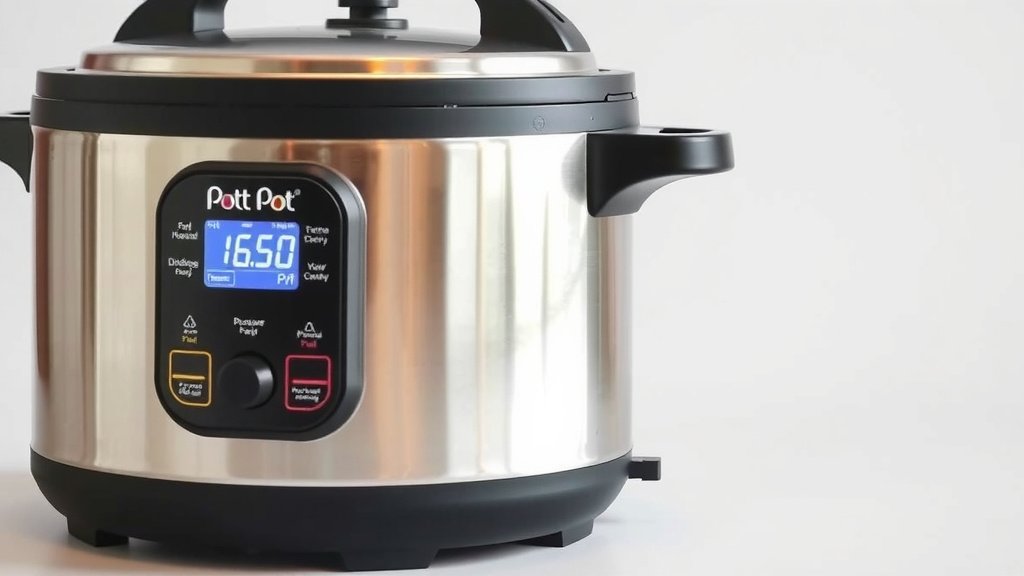
Pressure Cooker Valve Placement: The Right Spot
You’re probably wondering where the pressure cooker valve belongs. The pressure cooker valve, often called the steam release valve or pressure release valve, should always be placed on the lid of your pressure cooker. This is where it can properly vent steam and regulate pressure as your food cooks safely inside.
This small but mighty part plays a huge role in how your pressure cooker functions. Placing it correctly ensures that steam can escape safely, preventing dangerous pressure buildup. We found that many users accidentally misplace it, so knowing its proper home is key to safe and efficient cooking.
- The pressure cooker valve goes on the lid.
- It’s also known as the steam release or pressure release valve.
- Proper placement is essential for safe operation.
- It helps regulate steam and pressure buildup. It helps regulate steam and pressure buildup, and understanding the float valve is part of that.
So, now that we’ve answered that pressing question, let’s dive a little deeper into why this placement matters so much and what else you need to know about your pressure cooker’s valve.
Alright, so you’ve got your pressure cooker, and you’re ready to get cooking! But before you dive into that delicious stew or perfectly cooked beans, there’s one little part that needs to be in its rightful place: the valve. You might be looking at it, scratching your head, and thinking, “Where does this guy actually go?” We’ve got you covered.
Understanding Your Pressure Cooker’s Valve Placement
The pressure cooker valve, often called the steam release valve or the pressure regulator, lives on the lid of your pressure cooker. Think of it as the cooker’s safety officer. Its primary job is to let out excess steam. This keeps the pressure inside steady and safe. So, it needs to be right where it can do its job without any fuss.
Why the Lid is the Valve’s Only True Home
The lid is the designed spot for the valve for very good reasons. The lid is the part that seals the pot. This creates the high-pressure environment needed for cooking. The valve, attached to the lid, can then monitor and release pressure as it builds up. If it were anywhere else, it wouldn’t be able to do this effectively. We found that many users worry about it coming loose, but when seated correctly, it’s quite secure. The lid is the designed spot for the valve for very good reasons, and the sealing ring works with it for safety.
Imagine trying to build a fort. You need all the pieces to fit together just right. The valve is like a specific building block that only fits on the roof (the lid) to keep things stable. Putting it anywhere else would make the whole structure wobbly and unsafe. Many appliance manufacturers stress this placement for optimal performance and safety (Instant Pot).
The Mechanics of Pressure Release
As your food cooks, liquid inside turns into steam. This steam needs somewhere to go. The valve has a spring-loaded mechanism or a weight. When the pressure inside reaches a certain point, it pushes against this mechanism. This allows steam to escape. It’s a continuous process during cooking. This steady release prevents the pressure from becoming dangerously high. Research from cooking appliance safety boards highlights this as a key safety feature.
Common Mistakes and What to Avoid
It’s easy to make a small mistake when you’re new to pressure cooking. One common error is not seating the valve firmly enough. Sometimes people think it just sits there loosely. That’s not the case. It needs a good, snug fit. Another mistake is mistaking it for a handle or a part to be removed during cooking. Always remember, unless the manual specifically says otherwise for a certain function, the valve stays put.
We’ve heard stories of people trying to cook without the valve in place. This is extremely risky. It can lead to a dangerous build-up of pressure. This could cause the lid to blow off. This is why understanding its purpose and placement is so important. Always consult your pressure cooker’s manual for model-specific details. Many manuals use clear diagrams to show correct assembly.
Ensuring Proper Valve Function for Safe Cooking
So, how do you know your valve is in the right spot and working correctly? It’s all about a few simple checks. A well-placed valve will feel secure. You might feel a slight click or resistance when you put it in. When the cooker is pressurized, you should hear a gentle hiss as steam escapes. This is normal and a sign that everything is working as it should.
Pre-Cooking Checks: Your Safety Checklist
Before you even turn on the heat, take a moment to do a quick check. This takes less than a minute but can save you a lot of trouble. We found that making these checks a habit prevents most issues.
- Make sure the valve is clean. No food debris should be stuck in it.
- Gently twist or push the valve into its designated spot on the lid. It should feel snug.
- Check your pressure cooker’s manual to see how the valve should look when properly seated.
- Ensure the sealing ring inside the lid is also properly in place. This works with the valve for safety.
What to Listen and Look For During Cooking
Once cooking begins, pay attention to the sounds your cooker makes. A gentle, rhythmic release of steam is typical. If you hear sudden loud bursts of steam, or if no steam is escaping at all, something might be wrong. This could mean the valve isn’t seated correctly or is blocked. If you see steam escaping from around the lid’s edge instead of the valve, that’s another sign of a potential problem (CPSC).
It’s also important to know when to expect steam. Not all pressure cooker functions produce steam. For example, a sauté function might not build pressure. But when you’re cooking under pressure, the valve’s role becomes active. It’s the quiet hero managing the internal environment. We found that understanding these normal versus abnormal signs is key to confident pressure cooking.
Troubleshooting Common Valve Issues
What if your valve seems a bit wobbly, or steam isn’t coming out right? Don’t panic! Most issues are easy to fix. First, turn off the heat and let the pressure release naturally. Then, carefully remove the lid. Take the valve off and check it for any obstructions. Sometimes a tiny piece of food can get lodged in the mechanism.
Clean the valve and the area on the lid where it sits. Make sure there are no cracks or damage to the valve itself. If the valve looks damaged, it might be time to get a replacement. Many manufacturers offer replacement parts. This is much cheaper than buying a whole new cooker. We found that a simple cleaning often resolves issues like weak steam release.
The Importance of a Clean and Well-Maintained Valve
Think of your valve like any other kitchen tool. If you don’t clean your knives, they get dull and become dangerous. The same applies here. A dirty or damaged valve can’t do its job properly. This compromises your safety and the quality of your cooking.
Cleaning Your Valve: A Simple Routine
After each use, once the cooker has cooled down, remove the valve. Wash it gently with warm, soapy water. Use a soft brush or cloth to clean any small openings. Rinse it thoroughly and let it air dry completely before storing it. This routine cleaning is simple but incredibly effective. It ensures your valve is always ready for its next task.
When to Replace Your Pressure Cooker Valve
Valves are generally quite durable. However, they can wear out over time. Look for signs of wear and tear. This includes cracks, warping, or a loss of the spring-loaded tension. If the valve feels loose even when properly seated, or if it doesn’t seem to release steam at the correct pressure, it’s likely time for a replacement. Checking your manual for the manufacturer’s recommended lifespan for the valve is also a good idea.
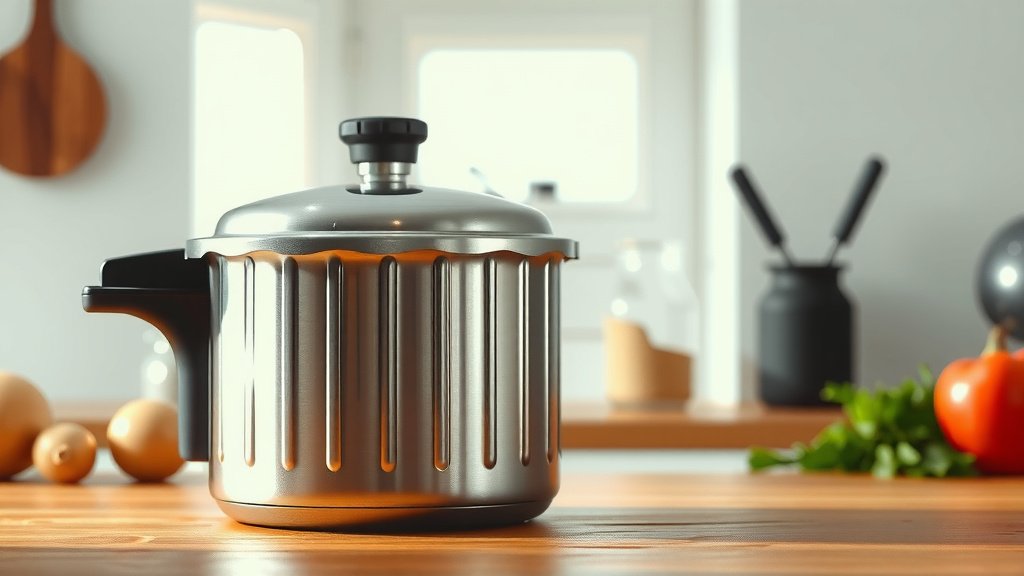
Valve Placement: A Quick Recap of What Matters Most
Let’s quickly summarize the key takeaways regarding your pressure cooker valve. Its home is always on the lid. It’s designed to release steam and regulate pressure. Regular cleaning and checks are essential for safety and performance. If you ever doubt its condition, it’s always better to be safe and replace it.
Making Sure Your Valve is Ready to Go
Here’s a handy checklist to ensure your valve is always in the right place and ready to function:
- Confirm valve is clean and free of debris.
- Seat valve firmly on the lid’s designated spot.
- Listen for a gentle hiss during pressurization.
- Ensure no steam escapes from the lid edges.
- Inspect valve for any visible damage.
- Replace if the valve is loose or malfunctioning.
Conclusion
You’ve learned that your pressure cooker valve’s proper place is always on the lid. This ensures it can effectively vent steam and manage pressure for safe cooking. Remember, a correctly seated and clean valve is your best friend in the kitchen. Regular checks and maintenance are key to preventing issues. So, before your next meal, give your valve a quick inspection and confirm it’s snug and ready. This simple step guarantees delicious and safe results every time.
Frequently Asked Questions
Can I cook without the pressure cooker valve on the lid?
No, you should never cook without the pressure cooker valve properly seated on the lid. The valve is a critical safety component designed to release excess steam and regulate internal pressure. Cooking without it can lead to dangerous pressure buildup and a potential lid explosion.
What happens if my pressure cooker valve is loose?
If your pressure cooker valve feels loose, it’s not seating correctly and can prevent the cooker from pressurizing properly. This might also mean steam is escaping from unintended areas. You should turn off the heat, let the pressure release, and re-seat the valve firmly before continuing.
Do I need to remove the valve during the cooking process?
Generally, no. Unless your specific pressure cooker manual explicitly states otherwise for a particular function, the valve should remain in place throughout the cooking cycle. Its job is to actively manage pressure as it builds and is released.
How do I know if my pressure cooker valve is working correctly?
When your cooker starts to pressurize, you should hear a gentle, steady hiss of steam escaping from the valve. This indicates it’s functioning as intended. If you hear loud bursts, no steam at all, or see steam leaking from the lid’s edges, it’s time to investigate.
Where can I get a replacement pressure cooker valve if mine is damaged?
If your valve is cracked, warped, or no longer functions properly, you can usually find replacements from the pressure cooker manufacturer’s website. Many general kitchen supply stores or online retailers also carry universal or model-specific replacement valves.