Standard Cooker Dimensions: Find Your Perfect Fit
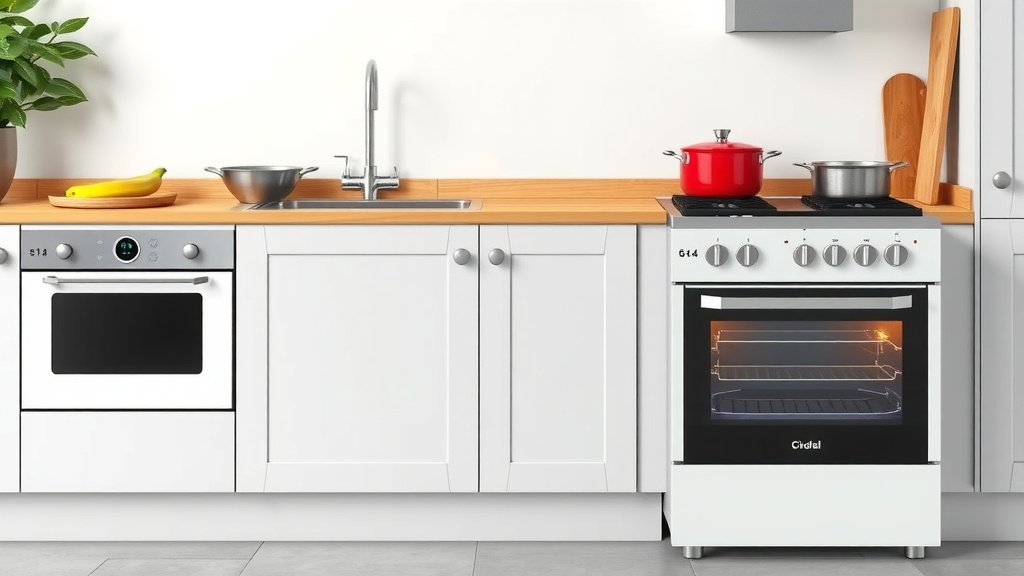
Standard cooker dimensions typically include a 30-inch width, which is the most common size for freestanding ranges. You’ll also find 20-inch and 36-inch widths, though they are less common. Knowing these standard sizes is key to finding a cooker that fits your kitchen space perfectly.
When choosing a new cooker, it’s smart to measure your existing space carefully. Factors like appliance depth and height are also important, especially if you have cabinets or specific backsplashes. We’ve researched the most frequent cooker dimensions to help you avoid a kitchen nightmare.
- Most common width is 30 inches.
- Other widths available are 20 and 36 inches.
- Don’t forget to measure depth and height.
- Check clearance for doors and drawers.
Below, we break down all the standard cooker dimensions and what you need to consider to ensure a great fit for your kitchen.
Navigating Cooker Sizes: What You Need to Know
Finding the right cooker size is less about guesswork and more about smart measuring. You want a cooker that fits your kitchen and your lifestyle. We’ve gathered the essential dimensions to help you make an informed choice. Let’s get your kitchen measured up!
Understanding Standard Cooker Widths
The width is usually the first dimension people consider. It dictates how much horizontal space the appliance will occupy. This is where most variation occurs.
The Dominant 30-Inch Width
When you think of a standard cooker, you’re likely picturing a 30-inch model. This is by far the most common width for freestanding ranges in North America. If you’re replacing an old cooker or ordering a new one for a typical kitchen layout, this is probably the size you’ll end up with. It strikes a good balance between usable oven and cooktop space and fitting into standard kitchen cabinetry.
Many kitchen designs are built around this 30-inch standard. It’s a size that has been around for a long time. You’ll find the widest selection of models and brands within this dimension. This makes it easier to find features and price points that suit your needs.
Smaller Footprints: The 20-Inch Cooker
Do you have a smaller kitchen or a more compact living space? A 20-inch cooker might be your perfect match. These are often referred to as apartment-sized or compact ranges. They offer functionality in a much smaller package. You might find them in studios, tiny homes, or as a secondary cooking appliance.
While they offer less oven capacity and fewer burners, they can be incredibly efficient for small spaces. Don’t expect professional-grade features in every 20-inch model, but they certainly get the job done for everyday cooking needs.
Wider Options: The 36-Inch Cooker
For those who love to cook and entertain, a 36-inch cooker can be a fantastic upgrade. These are less common than 30-inch models but are often found in larger, more custom kitchens. They provide more cooktop surface and typically larger ovens. Think of it as a step up in both capacity and often, in premium features.
If you’re designing a high-end kitchen or simply need more room to prepare larger meals, the 36-inch width is worth considering. You’ll find them with more burners, griddles, or specialized cooking zones. They do require a wider kitchen alcove, so measure carefully!
Beyond Width: Depth and Height Considerations
Width is critical, but don’t stop there! Depth and height play a huge role in how your cooker fits and functions in your kitchen.
Appliance Depth: Getting the Proportions Right
The depth of a cooker is important for several reasons. It affects how far the appliance sticks out into your kitchen space. Standard depths typically range from 25 to 28 inches. This measurement usually includes the door and handles. Some freestanding models might be slightly deeper.
Why does this matter? You want your cooker to be flush with your countertops or cabinets for a streamlined look. If it sticks out too far, it can disrupt the flow of your kitchen. It might also present a safety hazard. Always check the total depth to ensure it aligns with your existing cabinetry. Slide-in models are often designed to sit more flush with counters.
Cooker Height: Clearing the Obstacles
The height of your cooker is usually determined by whether it’s a freestanding or slide-in model. Standard heights for freestanding ranges are typically around 36 inches. This is because they are designed to match the standard height of kitchen countertops. They often have a raised back panel with controls.
Slide-in ranges are generally a bit shorter, around 34.5 to 35 inches. This allows them to slide directly under a standard countertop, creating a smooth, built-in appearance. The crucial point is to ensure the cooker’s height doesn’t interfere with any overhead cabinets or backsplashes. You need enough clearance for operation and ventilation.
Essential Clearance: Airflow and Access
Beyond the physical dimensions of the cooker itself, you need to consider the space around it. Proper clearance is vital for safety and performance.
Ventilation and Heat Escape
Cookers generate heat. They need proper ventilation to operate safely and efficiently. Most manufacturers provide specific recommendations for side, back, and overhead clearances in their installation manuals. Overlooking this can lead to overheating, damage to surrounding cabinets, or even fire hazards.
Many ovens vent hot air from the front or the back. Check your model’s specifications. Ensure there’s enough open space for this heat to dissipate. Don’t push your cooker too tightly against a wall or cabinets if it needs room to breathe.
Door and Drawer Swing Space
Have you ever opened a cabinet door only to have it hit something? The same principle applies to your cooker. Think about the oven door swing and if you have nearby drawers or other appliances. You need enough space to open the oven door fully without it bumping into anything.
Also, consider if you need to pull the cooker out slightly for cleaning or maintenance. While you don’t want it sticking out too far, you also don’t want it wedged in so tightly that it’s impossible to access. A little wiggle room can be very helpful.

Cooker Dimensions at a Glance
Here’s a quick reference table to help you visualize the most common sizes:
| Cooker Type | Common Width | Common Depth (approx.) | Common Height (approx.) |
|---|---|---|---|
| Freestanding Range | 30 inches | 25-28 inches | 36 inches |
| Compact/Apartment Range | 20 inches | 24-27 inches | 36 inches |
| Larger/Pro-Style Range | 36 inches | 27-30 inches | 36 inches |
| Slide-In Range | 30 inches | 25-27 inches | 34.5-35 inches |
Your Cooker Fit Checklist
Before you buy, run through this quick checklist. It ensures you won’t have any surprises:
- Measure your existing appliance (if any).
- Measure the cabinet opening width, depth, and height.
- Check for obstructions like windows, doors, or cabinets nearby.
- Note the depth needed for the oven door to swing open fully.
- Confirm manufacturer’s clearance requirements for ventilation.
- Consider electrical outlet or gas line locations.
Conclusion
You’ve learned that cooker dimensions are more than just numbers; they’re about making your kitchen work for you. We found that the 30-inch width is standard, but 20-inch and 36-inch options exist for specific needs. Remember to measure depth and height too, and always consider clearance for safety and ease of use. Now that you have this information, your next step is to grab your measuring tape and confirm these dimensions in your own kitchen. This will help you confidently choose the perfect cooker that fits your space and cooking style.
Frequently Asked Questions
What if my kitchen opening is slightly different from a standard size?
If your space isn’t exactly standard, don’t worry. You might find that a slightly larger cooker can be installed with minor modifications, or a smaller one can be accommodated with filler panels. Always check the manufacturer’s specifications for acceptable installation tolerances and consult with a professional installer if needed.
Are there special dimension requirements for gas vs. electric cookers?
Generally, the main cooker dimensions like width, depth, and height are similar between gas and electric models. However, you must ensure adequate space for gas line connections and proper ventilation, which might differ slightly from electric models. Always refer to the specific installation manual for your chosen appliance.
How much space do I need behind the cooker for ventilation?
This varies by model, but most manufacturers recommend at least 1-2 inches of clearance behind freestanding ranges. Some ovens vent from the back and need this space to dissipate heat safely. Slide-in models often have ventilation integrated into the front or top, but still require some clearance.
Can I fit a 30-inch cooker if I currently have a 36-inch one?
Yes, you often can! Replacing a larger cooker with a standard 30-inch model is common, especially in kitchens with custom cabinetry. You may need to add filler strips or a cabinet filler panel on the sides to close any gaps and create a built-in look. Measure your existing alcove carefully.
Do the dimensions include the handles and knobs?
Typically, the stated depth of a cooker includes the door and any protruding handles or knobs. It’s essential to measure the total depth from the wall to the furthest point of the appliance, including handles, to ensure it doesn’t interfere with doorways or kitchen traffic. Check product specifications for precise measurements.