How to Clean Your Cooker Hob for a Sparkling Kitchen
The easiest way to clean your cooker hob is by using the right cleaner and technique for its material. For everyday messes on glass or ceramic hobs, a simple wipe-down with a damp cloth and a bit of dish soap often does the trick. For tougher, baked-on gunk, a dedicated hob cleaner or a paste of baking soda and water can be your best friend, working gently but effectively to restore its shine without scratching.
No matter what type of hob you have – gas, electric coil, glass-ceramic, or induction – keeping it clean makes cooking more enjoyable and can prevent long-term damage. Grease splatters, food spills, and burnt-on residue are common kitchen battles. But don’t worry, with a few simple steps, you can have your hob looking almost brand new again.
- Wipe spills immediately after cooking.
- Use appropriate cleaners for your hob type.
- Baking soda paste is great for tough stains.
- Avoid abrasive scrubbers on delicate surfaces.
- Regular cleaning prevents permanent damage.
Below, we’ll walk you through exactly how to tackle different types of cooker hob messes, step by step, so you can get back to enjoying your kitchen.
Keeping Your Cooker Hob Sparkling Clean
A clean hob makes cooking a joy, not a chore. It also helps your kitchen look its best. We’ll guide you through cleaning different hob types. You’ll learn how to tackle common messes effectively.
Understanding Your Hob Type Matters
Before you start scrubbing, it’s vital to know what kind of hob you have. Different materials require different care. Using the wrong method can lead to scratches or permanent damage. Most modern homes have one of four common types: gas, electric coil, glass-ceramic, or induction. Each has its own cleaning quirks.
Gas Hobs: Conquering Grime and Grease
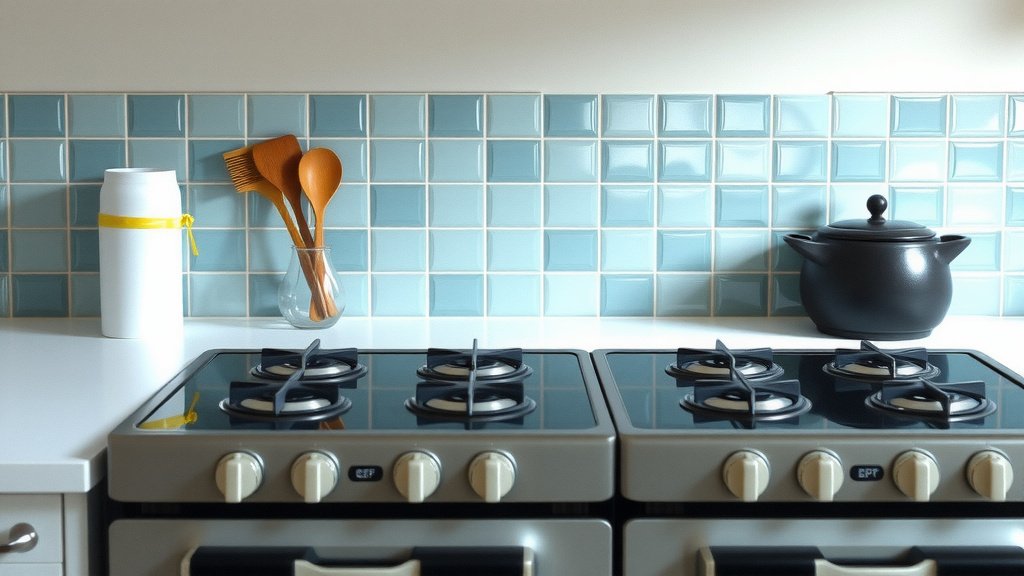
Gas hobs often have removable grates and burner caps. These parts can get really dirty. You’ll want to tackle these first. For everyday cleaning, a good soak in hot, soapy water works wonders.
Cleaning Removable Parts
First, let the hob cool completely. Then, carefully remove the burner grates and caps. Place them in a sink filled with hot water and a few drops of dish soap. Let them soak for at least 30 minutes. For stubborn, burnt-on food, you might need a little extra help.
Research shows a paste of baking soda and water is a gentle yet effective cleaner. Mix about half a cup of baking soda with a few tablespoons of water to form a paste. Apply this paste to any heavily soiled areas on the grates or caps. Let it sit for 20-30 minutes before scrubbing gently with a non-abrasive sponge or brush. Rinse thoroughly and dry them completely before putting them back.
Cleaning the Hob Surface
The surface of a gas hob is usually enamel or stainless steel. For enamel surfaces, wipe them down with a damp cloth and mild detergent. Avoid harsh chemicals that can dull the finish. For stainless steel, use a cleaner specifically designed for it. Always wipe in the direction of the grain to prevent scratches.
If you encounter burnt-on spills, a bit of patience is key. For stubborn spots, a baking soda paste can be applied directly to the cooled hob surface. Let it sit for a bit, then gently wipe away with a damp cloth. Ensure all soap residue is removed. A final polish with a soft, dry cloth will restore its shine.
Electric Coil Hobs: Getting into the Grooves
Electric coil hobs have heating elements that lift out. This makes cleaning much easier. The drip pans underneath catch most of the mess. These pans often need the most attention.
Cleaning the Drip Pans
Remove the heating elements by gently lifting and pulling them out of their sockets. Then, lift out the drip pans. If they are heavily soiled, soak them in hot, soapy water. For tough stains, the baking soda paste trick works well here too. You might need to let it sit longer for really baked-on grime. After scrubbing, rinse them well and dry them before replacing.
Cleaning the Coils and Surface
Wipe down the heating coils themselves with a damp cloth. Make sure they are completely dry before putting them back. The hob surface underneath can be cleaned with a damp cloth and mild detergent. Again, avoid abrasive cleaners. For any stuck-on bits, a plastic scraper can help lift them without scratching.
Glass-Ceramic and Induction Hobs: Smooth Surface Saviors
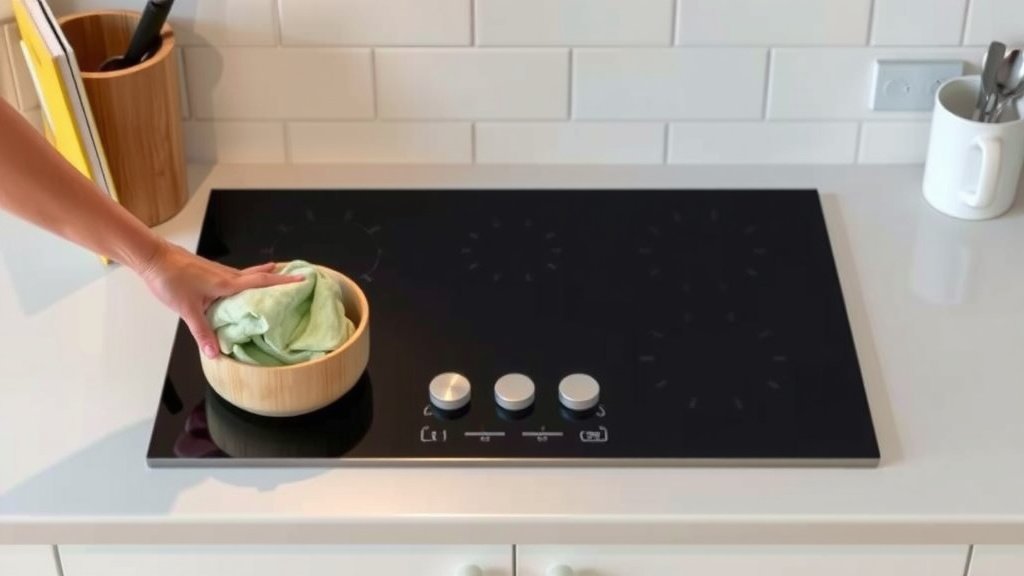
These hobs have a sleek, smooth surface. They look fantastic when clean, but they can show every smudge and spill. The key here is to clean them regularly and gently.
Daily Cleaning Routine
The best defense is a good offense! Wipe up spills as soon as the hob is cool enough to touch. A damp microfiber cloth is usually all you need for fresh messes. For slightly dried-on food, a drop of dish soap on the damp cloth can help. Always rinse with a clean, damp cloth and dry thoroughly. This prevents water spots and streaks.
Tackling Tough Stains and Burnt-On Food
When everyday cleaning isn’t enough, you’ll need a specialized cleaner. Many brands offer cleaners specifically for glass-ceramic and induction hobs. These are formulated to cut through grease and burnt-on food without scratching the surface. Apply the cleaner as directed on the product. Usually, you’ll let it sit for a few minutes.
Then, use a soft cloth or a non-abrasive scrubbing pad designed for these surfaces. For really stubborn, burnt-on spots, some experts recommend using a hob scraper. These have a razor blade that can carefully lift off burnt residue. Always hold the scraper at a low angle to the glass. This prevents scratching. After scraping, clean the area with your hob cleaner or the baking soda paste. Rinse and buff dry.
What to Avoid on Glass Surfaces
It’s crucial to avoid abrasive materials. This includes steel wool, scouring pads, and abrasive powders. Many common kitchen cleaners can also be too harsh. We found that using cleaning products not intended for glass-ceramic surfaces can damage the finish. Sugary spills are particularly notorious. If sugar melts onto a hot hob, it can pit the surface if not removed quickly. Allow the hob to cool slightly, then carefully try to scrape off the sugary residue before it hardens.
A Quick Guide to Hob Cleaning Products
Choosing the right cleaner can make all the difference. Here’s a simple breakdown:
| Hob Type | Recommended Cleaners | What to Avoid |
|---|---|---|
| Gas | Dish soap, baking soda paste, stainless steel cleaner (if applicable) | Abrasive powders, harsh chemical cleaners |
| Electric Coil | Dish soap, baking soda paste | Abrasive scrubbers on drip pans, harsh chemicals |
| Glass-Ceramic / Induction | Specialized hob cleaners, baking soda paste (used gently), microfiber cloths | Steel wool, abrasive pads, sharp objects (unless a proper scraper), general-purpose cleaners |
Your Hob Cleaning Checklist
Ready to get your hob looking its best? Follow these simple steps:
- Ensure your hob is completely cool.
- Identify your hob type for the right approach.
- Wipe up fresh spills immediately.
- Use baking soda paste for tough, stuck-on messes.
- Always use soft cloths or non-abrasive pads.
- Dry thoroughly to prevent streaks and water spots.
Conclusion
Keeping your cooker hob clean doesn’t have to be a daunting task. By understanding your hob’s material and using the right cleaning methods, you can easily manage everyday spills and tackle tough, burnt-on messes. Remember to wipe spills quickly and use gentle, appropriate cleaners to protect your hob’s surface. A consistent cleaning routine means less scrubbing later and a kitchen that looks and feels fantastic. Your next step? Grab your chosen cleaner and give your hob the spa treatment it deserves!
Frequently Asked Questions
Can I use vinegar to clean my glass hob?
While vinegar is a natural cleaner, it’s generally best to avoid using it regularly on glass-ceramic or induction hobs. The acidity can sometimes dull the finish over time. For daily cleaning, a damp microfiber cloth is usually sufficient. For tougher spots, a specialized hob cleaner or gentle baking soda paste works better.
How do I remove burnt-on sugar from my hob?
Burnt sugar can be tricky! If the hob is cool enough, try carefully using a hob scraper designed for glass surfaces. Hold the scraper at a low angle to avoid scratching. After removing the bulk of the residue, clean the area with a recommended hob cleaner or a mild baking soda paste. Rinse and buff dry.
What’s the best way to clean greasy gas hob grates?
For greasy gas hob grates, start by letting them soak in hot, soapy water for at least 30 minutes. For stubborn grease, a baking soda paste can help lift the grime. Apply the paste, let it sit for another 20-30 minutes, then scrub gently with a non-abrasive brush. Rinse thoroughly and ensure they are completely dry before reattaching.
Should I worry about scratching my induction hob?
Yes, it’s important to avoid scratching your induction hob. These surfaces can show even minor scratches easily. Always use soft cloths, non-abrasive pads, and cleaners specifically made for glass-ceramic or induction cooktops. Avoid steel wool, scouring pads, and harsh powdered cleansers.
How often should I deep clean my cooker hob?
For most hobs, a quick wipe-down after each use is ideal. A more thorough cleaning, perhaps involving baking soda paste or specialized cleaners, can be done weekly or as needed when you notice build-up or stubborn spots. Electric coil drip pans and gas burner caps might benefit from a deeper clean monthly.