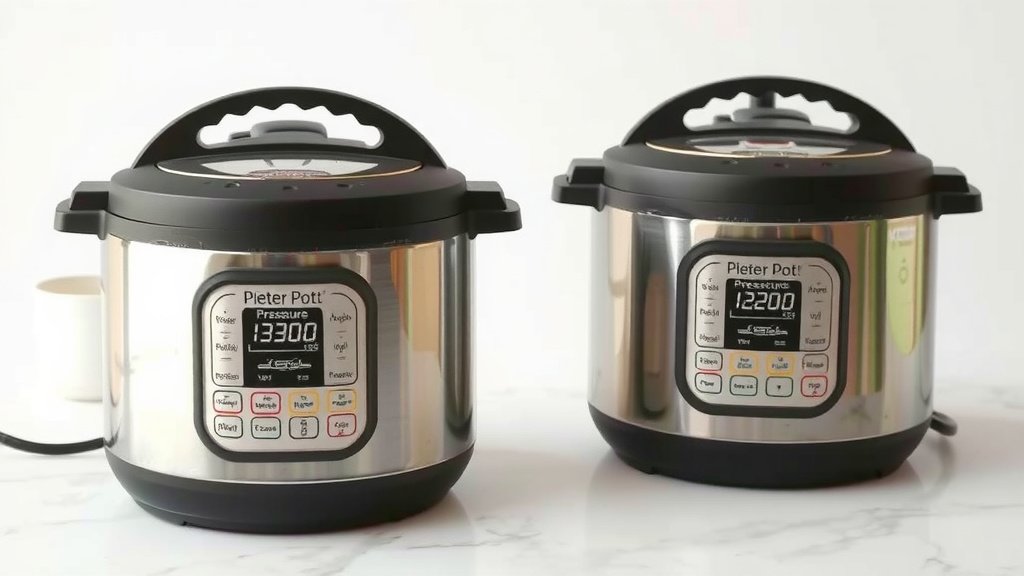
Stovetop vs Electric Pressure Cooker: Which is Best
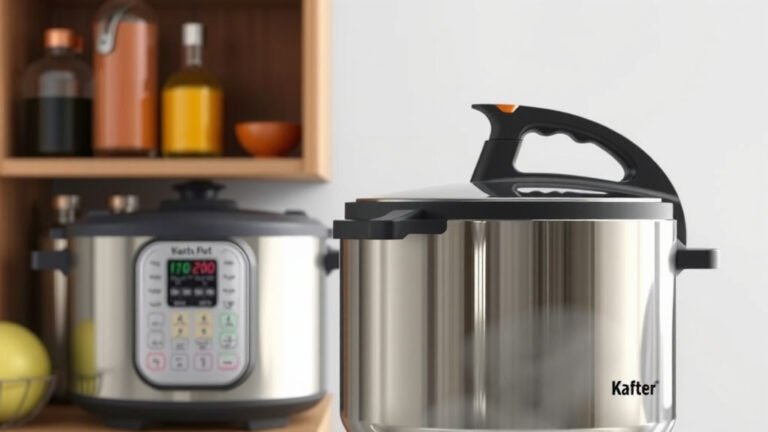
When choosing between a stovetop pressure cooker and an electric pressure cooker, the electric model often wins for overall convenience and safety. Electric pressure cookers offer a more hands-off cooking experience with built-in safety features and precise temperature control, making them a favorite for busy kitchens. Stovetop models provide great results but require more active supervision.
Both types can dramatically cut down your cooking times. They work by trapping steam to build pressure, which raises the boiling point of water. This intense heat cooks food much faster than conventional methods. Understanding the key differences will help you pick the best pressure cooker for your needs and cooking style.
- Electric pressure cookers are generally easier and safer to use.
- Stovetop pressure cookers offer manual control but need constant watching.
- Both save significant cooking time. Understanding pressure cooker cooking times can help you plan your meals more effectively.
- Electric models often have preset cooking programs.
- Your cooking habits will determine the best fit.
Let’s walk through what makes each type unique so you can decide which one belongs in your kitchen.
Comparing Stovetop vs. Electric Pressure Cookers
Choosing between a stovetop and an electric pressure cooker comes down to your personal cooking style and what you want most from your kitchen tools. Both do an amazing job of speeding up meals. But they go about it in different ways. We’ve found that understanding these differences is key to making the right choice for your home. Let’s dive into what sets them apart.
How Stovetop Pressure Cookers Work
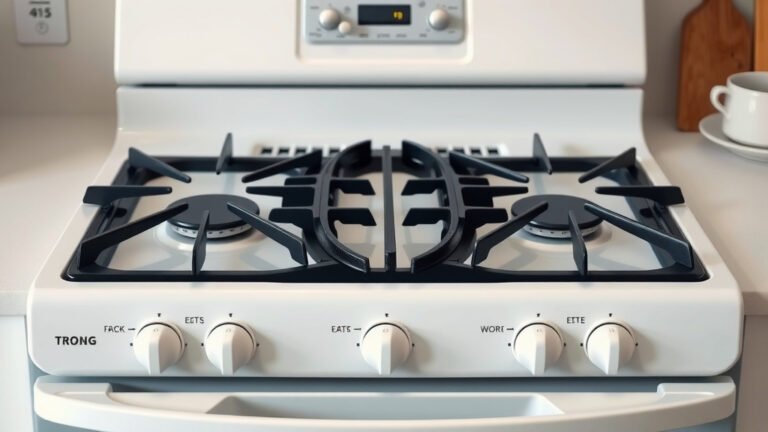
Your stovetop pressure cooker is a bit of a culinary classic. It’s a pot with a special locking lid. This lid creates a tight seal. You place it on your stove, and the heat from your burner is what powers it. As the liquid inside heats up, it creates steam. This steam can’t escape, so it builds up pressure. This pressure is what cooks your food so quickly.
The Hands-On Nature of Stovetop Models
Using a stovetop model means you’re more involved in the cooking process. You need to manually control the heat. This often involves adjusting your burner up or down to maintain the correct pressure. You’ll see a pressure indicator, often a little weight or a spring-loaded gauge, that tells you when you’ve reached the right level. It requires your attention throughout the cooking time.
Why Supervision is Essential
This active role is important for safety. If the heat gets too high, the pressure can become excessive. Most stovetop models have safety valves designed to release excess steam. You’ll often hear a gentle hiss or see steam escaping from a vent. It’s your cue to turn the heat down. Many users find this level of control rewarding, but it means you can’t just set it and forget it.
The Advantages of Stovetop Control
The upside to this active approach is often precise temperature management. Experienced cooks might prefer this ability to fine-tune the cooking environment. You can sometimes achieve a more perfect sear or a more tender result by having direct control. For those who enjoy the ritual of cooking and being actively involved, a stovetop model can be a great fit.
Understanding Electric Pressure Cookers
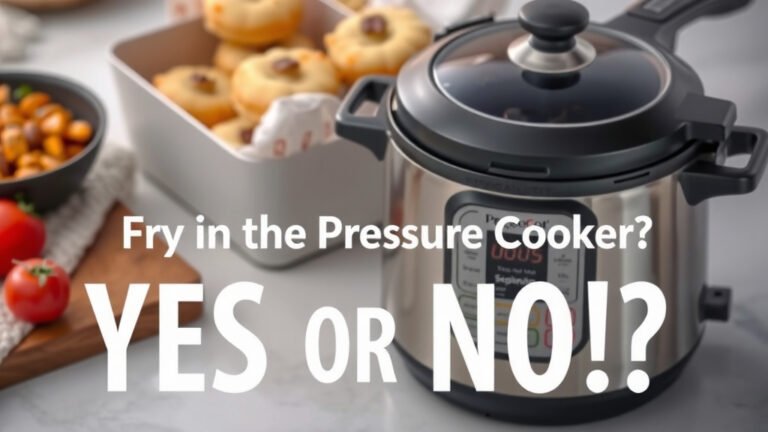
Electric pressure cookers are the modern marvel in this comparison. They are self-contained units with their own heating element. This means they don’t rely on your stovetop at all. They plug into a standard electrical outlet. The controls are usually digital, with buttons and sometimes a screen. They are designed for ease of use and safety.
The Convenience Factor
This is where electric models really shine for many people. You put your ingredients in, lock the lid, select a program, and press start. The cooker then manages the pressure and temperature all on its own. It will often beep when it’s done. Some models even have a “keep warm” function that activates automatically. This hands-off approach is a lifesaver for busy households. You can walk away and focus on other tasks without worry.
Safety Features Galore
Electric pressure cookers come with multiple built-in safety mechanisms. These go beyond the simple valves on stovetop models. They often have lid-lock systems that prevent opening under pressure. They also have sensors to monitor temperature and pressure, automatically adjusting as needed. Research shows these features significantly reduce the risk of accidents (Consumer Product Safety Commission). This makes them a very popular choice for beginners.
Preset Programs and Versatility
Many electric pressure cookers are multi-functional appliances. They don’t just pressure cook. They can often slow cook, sauté, steam, and even make yogurt or rice. This versatility means one appliance can replace several others. The pre-programmed settings take the guesswork out of cooking common dishes. You select “beans,” “stew,” or “poultry,” and the cooker does the rest. This makes meal prep incredibly simple and consistent.
Key Differences at a Glance
To help you visualize the contrast, let’s look at some core distinctions. We found that considering these points makes the decision clearer.
| Feature | Stovetop Pressure Cooker | Electric Pressure Cooker |
|---|---|---|
| Power Source | Stovetop burner (gas or electric) | Electricity (plugs into outlet) |
| Control | Manual heat adjustment | Digital controls, preset programs |
| Monitoring | Requires active supervision | Mostly hands-off, self-monitoring |
| Safety | Pressure release valves | Multiple sensors, lid-lock mechanisms |
| Versatility | Primarily pressure cooking | Often multi-functional (slow cook, sauté, etc.) |
| Portability | Can be moved easily, but needs stove | Portable, but needs an outlet |
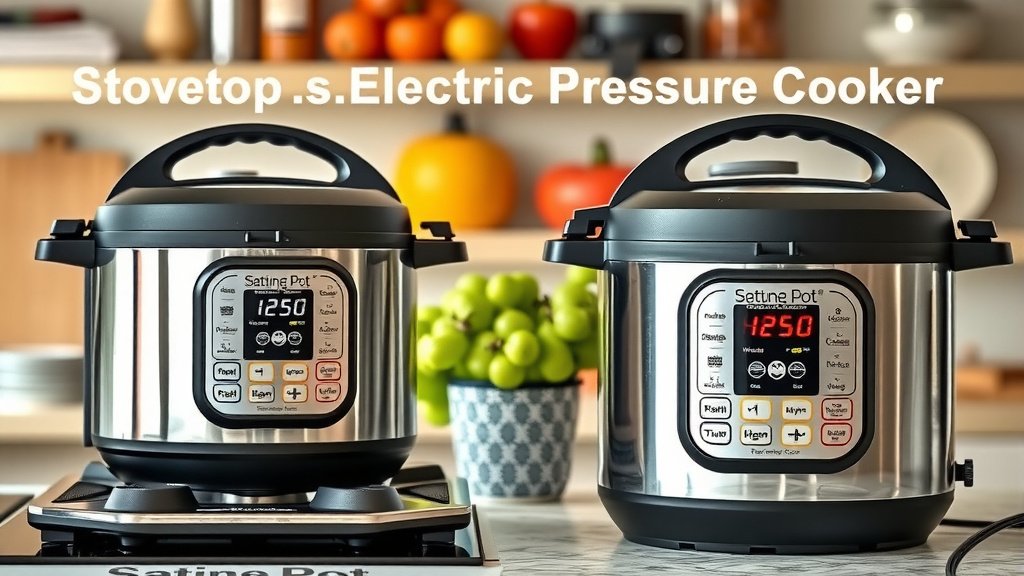
Which Type Is Right For You?
So, how do you decide? Think about your kitchen and your routine. Do you love being in the kitchen and enjoy the process of cooking? A stovetop model might appeal to your sense of culinary adventure. Do you often find yourself short on time or juggling multiple tasks? An electric model’s convenience and automation could be a perfect match.
Consider Your Cooking Habits
If you cook a lot of complex dishes that benefit from fine-tuned control, a stovetop might be your preference. For weeknight dinners where speed and simplicity are key, the electric cooker often wins. Many families find that the ease of an electric model means they pressure cook more often. This leads to more home-cooked meals. We’ve found that consistency is a big win for electric models.
Space and Storage
Stovetop pressure cookers are generally more compact than their electric counterparts. They often fit inside cabinets or on shelves more easily. Electric pressure cookers can be a bit bulkier due to the motor and electronics. However, if an electric model replaces other appliances, it might actually save you space overall. Think about where you’ll store it when not in use.
Your Budget
Generally, stovetop pressure cookers can be less expensive upfront. High-quality stovetop models can still be an investment. Electric pressure cookers vary widely in price. Basic models are quite affordable, while high-end versions with more features can cost more. Consider the long-term value and how much you’ll use the appliance. Many users find that the time saved by either type is well worth the cost.
Making Your Final Choice: A Quick Checklist
To help you make the final call, ask yourself these quick questions:
- Do you prefer hands-on cooking or a set-it-and-forget-it approach?
- How much time do you realistically have for meal prep each week?
- Are you comfortable with manual heat adjustments and active monitoring?
- Do you want an appliance that can do more than just pressure cook?
- How important are advanced safety features to you?
- What is your available kitchen counter and storage space?
Answering these will point you toward the pressure cooker that best fits your lifestyle and cooking aspirations.
Conclusion
You’ve learned that both stovetop and electric pressure cookers can revolutionize your cooking. Stovetop models offer hands-on control for those who enjoy the process. Electric models provide unmatched convenience and safety for busy kitchens. Your best choice depends on your personal cooking habits and kitchen needs. Consider how much time you have and if you prefer active supervision or a set-it-and-forget-it approach. Now, take a moment to think about your typical week and what you want from your kitchen appliances. Then, make the choice that will bring more delicious, fast meals to your table!
Frequently Asked Questions
Can I use a stovetop pressure cooker on an induction cooktop?
Yes, most stovetop pressure cookers are compatible with induction cooktops. You’ll want to check the cooker’s specifications to ensure it has a magnetic base suitable for induction. This makes them a versatile option if you have an induction stove.
Are electric pressure cookers truly safer than stovetop models?
Electric pressure cookers generally offer more advanced safety features. They have multiple built-in sensors and locking mechanisms that reduce the risk of accidents. While stovetop models are also safe when used correctly, electric versions provide added peace of mind, especially for beginners.
How do I know when my stovetop pressure cooker has reached the correct pressure?
Your stovetop pressure cooker will have a pressure indicator. This is often a pop-up pin or a weighted jiggler. When the indicator rises or begins to jiggle and hiss, it signals that the correct pressure has been reached. You then adjust your stove’s heat to maintain that pressure.
Can an electric pressure cooker replace my slow cooker?
Many electric pressure cookers have a slow cook function, meaning they can often replace your slow cooker. However, the cooking environment is slightly different. You may need to adjust liquid amounts or cooking times when adapting recipes. It’s worth checking your specific model’s capabilities.
Which type of pressure cooker is better for meal prepping?
For meal prepping, an electric pressure cooker often has the edge. Its hands-off operation allows you to multitask or prepare other components of your meals. The consistent results and preset programs also make it easier to cook large batches of staples like grains or beans.