Slow Cooker vs Crock-Pot: What’s the Real Difference
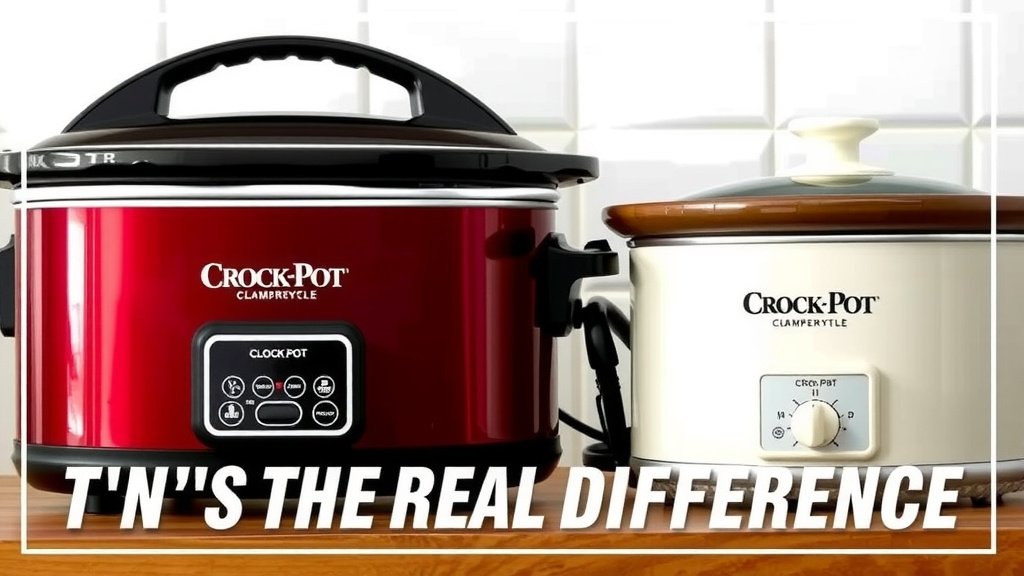
When you see “slow cooker” and “Crock-Pot” used interchangeably, you’re not imagining things. A Crock-Pot is a type of slow cooker, but not all slow cookers are Crock-Pots. Think of it like tissues and Kleenex; one is a brand name, the other is the general product category. Both are fantastic for whipping up easy, delicious meals with minimal fuss.
Both terms refer to electric countertop appliances that cook food at a low temperature over a long period. They’re perfect for busy weeknights, allowing you to prep ingredients and let your meal cook itself. Research shows that slow cookers save time and can even make tougher cuts of meat more tender, making them a kitchen favorite for many.
- A Crock-Pot is a specific brand of slow cooker.
- Slow cooker is the general term for this type of appliance.
- Both cook food at low temperatures for extended periods.
- They are great for convenience and tenderizing meats.
Ready to dive deeper into the delicious world of slow cooking? Let’s break down the differences and similarities to help you get the most out of your kitchen companion.
“`htmlUnderstanding Slow Cookers and Crock-Pots
You’re probably wondering about the real difference between a slow cooker and a Crock-Pot. It’s a common question, and the answer is simpler than you might think. Essentially, a Crock-Pot is a brand name. Think of it like asking for a “Kleenex” when you need a facial tissue. Kleenex is a specific brand, while “facial tissue” is the general product. Similarly, Crock-Pot is a brand of slow cooker, but “slow cooker” is the umbrella term for all these countertop appliances that cook food slowly and at low temperatures.
So, when you see recipes calling for a “slow cooker” or a “Crock-Pot,” they are generally interchangeable. The core function is the same: set it and forget it. We found that this convenience is a major reason for their popularity, especially for busy families. Many experts agree that these appliances save a significant amount of time in the kitchen (Cleveland Clinic).
How Do They Work? The Magic of Low and Slow
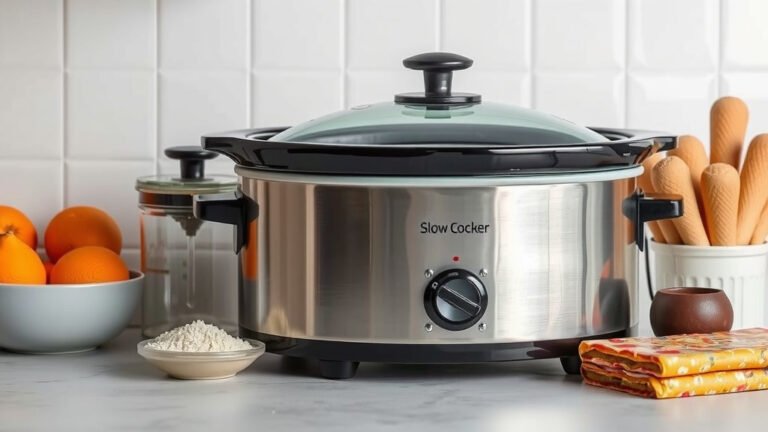
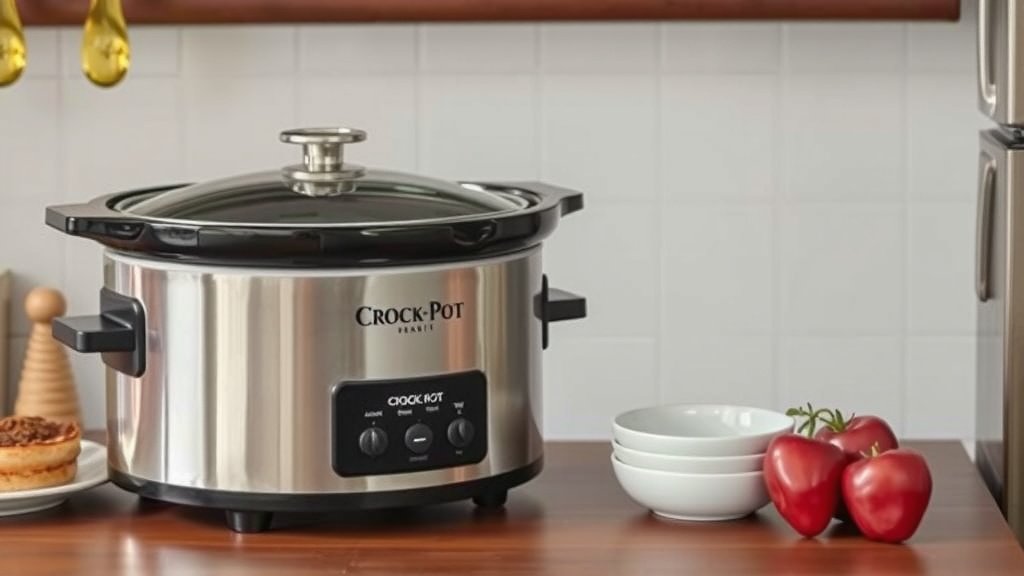
The magic behind both slow cookers and Crock-Pots lies in their design. They are electric appliances with a heating element, typically around the base or sides. This element gently warms a ceramic or porcelain insert pot, where you place your ingredients. The lid traps moisture and heat, creating a steamy environment. This process cooks food evenly and slowly over several hours.
The Temperature Difference: What’s Really Going On?
Generally, slow cookers operate at two main temperature settings: “Low” and “High.” The “Low” setting usually hovers around 200°F (93°C), while the “High” setting is typically around 300°F (149°C). While the “High” setting cooks food faster, it still takes several hours. Research suggests that both settings are effective for tenderizing tougher cuts of meat and melding flavors beautifully. Understanding slow cooker temperature settings is key to using them effectively.
You might be curious about the exact temperature. Guidelines from food safety experts often recommend that food should reach an internal temperature of 165°F (74°C) to be safe for consumption. Slow cookers achieve this and maintain it over extended cooking times, killing bacteria effectively. We found that this consistent, gentle heat is what makes those tough roasts so fork-tender (FDA).
The Role of the Insert Pot
The insert pot, often called the crock, is a key component. Most modern slow cookers and Crock-Pots feature removable ceramic or porcelain inserts. These materials distribute heat evenly and are excellent at retaining it, contributing to the slow, steady cooking process. Some newer models also offer stovetop-safe inserts, allowing you to sear meats directly in the insert on your stovetop before placing it into the heating base. This can save you an extra pan to wash!
Crock-Pot: The Brand You Know
As we’ve touched upon, Crock-Pot is a brand that has become synonymous with slow cookers. Founded by the Rival Company, the Crock-Pot brand was one of the earliest to popularize this kitchen appliance. Their name is so well-known that many people use “Crock-Pot” to refer to any slow cooker, regardless of the manufacturer.
What Makes a Crock-Pot Special?
Over the years, the Crock-Pot brand has introduced various features and designs. You’ll find basic models with just the “Low,” “High,” and “Keep Warm” settings. They also offer more advanced models with programmable timers, digital displays, and even smart technology that allows you to control them from your phone. We found that while the brand name carries a lot of recognition, the core function remains the same as other slow cookers.
Beyond the Brand: Exploring Other Slow Cooker Types
While Crock-Pot is a dominant player, the world of slow cookers extends to many other reputable brands. These brands also produce reliable appliances that perform the same essential function: slow, low-temperature cooking. You’ll find a wide range of models available, each with its own set of features and price points.
Materials and Design Variations
Beyond the ceramic inserts common in Crock-Pots, you might encounter slow cookers with different insert materials. Some are made from stoneware, which is similar in function to ceramic. You’ll also find models with stainless steel or even cast iron inserts. These variations can sometimes affect heat distribution or cooking times slightly.
The shape of the insert also varies. While oval shapes are popular for larger cuts of meat like roasts or whole chickens, round inserts are great for soups, stews, and smaller dishes. When you’re choosing a slow cooker, consider the types of meals you plan to make most often. This will help you decide on the best size and shape for your needs.
Key Features to Consider When Buying
When you’re ready to purchase a slow cooker, whether it’s a Crock-Pot or another brand, there are a few things to keep in mind. Thinking about these features ahead of time can help you find an appliance that perfectly fits your cooking style and kitchen.
Size Matters: Capacity for Your Needs
Slow cookers come in various sizes, typically measured in quarts. A small 1.5-quart cooker is perfect for dips or small side dishes. A 3-4 quart model is good for couples or small families. For larger families or entertaining, consider a 5-7 quart capacity. We found that choosing the right size ensures your food cooks evenly; an overcrowded pot won’t cook properly.
Programmable vs. Manual Settings
Manual slow cookers are straightforward with basic “Low,” “High,” and “Keep Warm” settings. Programmable models offer more control. You can set a specific cooking time, and the cooker will automatically switch to “Keep Warm” once done. Some advanced models even let you adjust the temperature during the cooking cycle. This is helpful if your schedule is unpredictable.
Ease of Cleaning and Portability
Look for models with removable, dishwasher-safe inserts. This makes cleanup incredibly simple. If you plan to take your slow cooker to potlucks or parties, consider models with locking lids or handles designed for easier transport. Safety is key, so a secure lid is a plus.
Making the Choice: Slow Cooker or Crock-Pot?
Ultimately, the choice between a “slow cooker” and a “Crock-Pot” is more about semantics than fundamental differences. A Crock-Pot is simply a brand within the broader category of slow cookers. Both will help you create delicious, low-effort meals.
When to Use Which Term?
If you own a Crock-Pot branded appliance, you can refer to it as such. If you’re talking about the general category of these appliances or recipes that can be made in any of them, “slow cooker” is the most accurate term. We found that most people use them interchangeably, and recipes rarely specify a brand unless it’s for a specific feature unique to that model.
Your Kitchen Companion Checklist
No matter what you call it, your slow cooker is a fantastic kitchen tool. Here’s a quick checklist to help you make the most of it:
- Ensure ingredients are not packed too tightly.
- Use the correct liquid amount for your recipe.
- Don’t lift the lid too often; this releases heat.
- Check for doneness with a thermometer when unsure.
- Clean the insert promptly after use.
- Consider investing in a second insert for more cooking options.
Conclusion
So, the “slow cooker” versus “Crock-Pot” question boils down to brand versus category. You’ve learned that a Crock-Pot is a specific brand of slow cooker, much like Kleenex is a brand of tissue. Both appliances serve the same fundamental purpose: cooking food slowly at low temperatures for maximum flavor and tenderness with minimal effort. When you’re choosing an appliance for your kitchen, think about the features that matter most to you – size, programmability, and ease of cleaning. Your decision should align with your cooking habits and family needs. Now, you’re ready to confidently select your next kitchen companion and start making delicious meals!
Frequently Asked Questions
Is there a functional difference between a slow cooker and a Crock-Pot?
No, there isn’t a functional difference in how they cook food. A Crock-Pot is simply a brand name that has become very popular, leading many people to use the term generically for all slow cookers. Both appliances operate by cooking food at low temperatures for extended periods.
Can I use a recipe that calls for a “slow cooker” if I only have a Crock-Pot?
Absolutely! Since Crock-Pot is a brand of slow cooker, any recipe calling for a “slow cooker” is designed to work with your Crock-Pot. You can also use recipes labeled for Crock-Pots in any other brand of slow cooker.
Are Crock-Pots generally more expensive than other slow cookers?
Crock-Pot offers a range of models at various price points, similar to other brands. While some premium Crock-Pot models with advanced features might be more expensive, basic Crock-Pot units are often comparable in price to other brands’ standard slow cookers.
What kind of meals are best suited for slow cookers?
Slow cookers excel at cooking tougher cuts of meat, making them tender and flavorful. They are perfect for dishes like roasts, stews, chilis, pulled pork, and soups. You can also make casseroles, desserts like cobblers, and even certain types of bread.
How do I know if my slow cooker insert is safe for stovetop use?
Always check your appliance’s manual or the manufacturer’s website. Many modern slow cookers, including some Crock-Pot models, feature removable inserts made of ceramic or stoneware that are NOT designed for stovetop use. If you can sear ingredients on the stovetop before slow cooking, it will usually be clearly indicated in the product description or manual.