Pressure Cooker vs Slow Cooker: Which is Right for You
When you’re deciding between a pressure cooker vs slow cooker, the main difference comes down to speed. A pressure cooker cooks food much faster under high pressure, while a slow cooker takes hours at a low temperature. So, if you’re short on time, a pressure cooker is your best bet for a quick meal.
Both appliances are kitchen superheroes for busy households. They can transform tough cuts of meat into tender delights and make meal prep a breeze. Understanding their distinct cooking methods helps you choose the right tool for your dinner plans. You’ll find they each offer unique benefits for different cooking needs.
- Pressure cookers are fast, perfect for weeknights.
- Slow cookers are great for hands-off, all-day cooking.
- Pressure cooking seals in flavor and nutrients quickly.
- Slow cooking builds deep flavors over many hours.
- Both save you time and effort in the kitchen.
Let’s dive into the specifics of each appliance to help you decide which one fits your kitchen and your lifestyle best.
You’re standing in the kitchen, dinner ideas swirling, and you’re wondering: pressure cooker or slow cooker? It’s a classic kitchen dilemma! Both are fantastic for busy cooks, but they work in very different ways. Let’s break down how each one can be your culinary sidekick.
Understanding Your Cooking Companions: Pressure vs. Slow
The fundamental difference lies in how quickly they cook and the methods they use. Think of them as two different speeds for achieving delicious results.
The Speedy Pressure Cooker
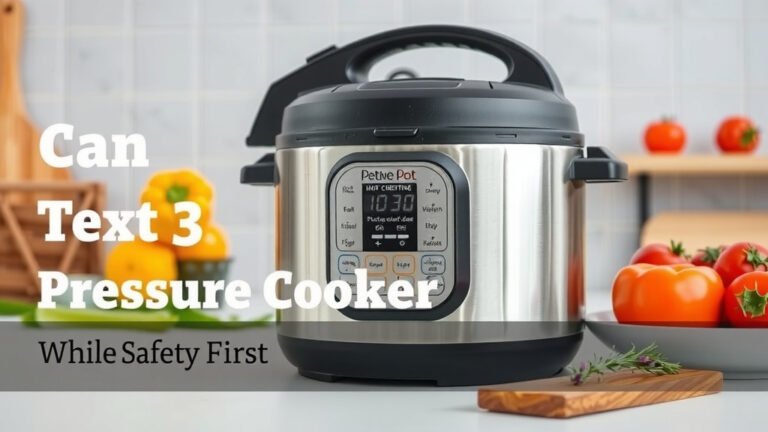
A pressure cooker is all about speed and efficiency. It works by trapping steam inside the pot, which builds up pressure. This increased pressure raises the boiling point of water significantly. Foods cook much faster under these conditions. Learn more about how an electric pressure cooker works.
Research shows that pressure cooking can reduce cooking times by up to 70% compared to traditional methods (National Center for Home Food Preservation). This means you can cook tough meats or dry beans in a fraction of the time. It’s like giving your food a super-speedy culinary spa treatment.
How Pressure Cooking Works
You’ll add your ingredients and liquid to the pot. As it heats up, steam is released. A pressure regulator then traps this steam, building up pressure inside. This is what cooks your food so quickly. The result? Tender meals in minutes, not hours.
When to Reach for Your Pressure Cooker
This is your go-to for weeknight dinners when time is tight. Think of making pulled pork for tacos in under an hour, or cooking dried beans without soaking them overnight. It’s also excellent for quick soups and stews.
The Patient Slow Cooker
On the other hand, a slow cooker, often called a Crock-Pot, is your master of patience. It cooks food at a Learn more about how a slow cooker, often called a Crock-Pot, works.low, consistent temperature over a long period. This gentle heat breaks down tough connective tissues in meat, making it incredibly tender.
Many cooks love slow cookers because they are so hands-off. You can prepare your ingredients in the morning, set it, and forget it. Come dinner time, a perfectly cooked meal awaits you.
How Slow Cooking Works
A slow cooker has a heating element, usually in the base, that warms the ceramic or porcelain pot. The lid traps moisture and heat, creating a moist, low-temperature cooking environment. Food cooks slowly and evenly, allowing flavors to meld beautifully.
When to Reach for Your Slow Cooker
This appliance shines when you have all day to let your meal develop. It’s perfect for pot roasts, chili, stews, and even desserts like cobblers. If you want to come home to a delicious, ready-to-eat meal, the slow cooker is your friend.
Key Differences at a Glance
While both are electric pots that cook food, their approaches are quite different. Here’s a quick comparison to help you visualize:
| Feature | Pressure Cooker | Slow Cooker |
|---|---|---|
| Cooking Speed | Very fast (minutes to an hour) | Very slow (hours, typically 4-10) |
| Cooking Method | High pressure, high temperature | Low, consistent temperature |
| Best For | Quick meals, tough cuts, beans, grains | Tenderizing meat, stews, hands-off cooking |
| Flavor Development | Seals in fresh flavors quickly | Deep, rich flavors develop over time |
| Texture | Can be very tender, preserves moisture | Extremely tender, fall-apart results |
Flavor and Nutrient Retention
Pressure cookers are known for locking in flavor and nutrients. Because they cook so quickly, less time means less nutrient loss (U.S. Department of Agriculture). The high pressure also helps infuse flavors deeply into the food.
Slow cookers, on the other hand, excel at developing complex, layered flavors over many hours. This long, slow process allows ingredients to marry, creating a rich and satisfying taste profile. It’s a different kind of flavor magic, more about depth than intensity.
Ease of Use and Cleanup
Both appliances are generally very user-friendly. Most modern pressure cookers have preset buttons for common dishes. Cleanup often involves washing the inner pot and lid, which are typically dishwasher-safe.
Slow cookers are famously easy. You toss ingredients in, set the dial, and walk away. Cleanup is usually just as simple as with a pressure cooker—rinse and wash the insert.
Choosing the Right Tool for Your Kitchen
So, which one should you welcome into your kitchen? It really depends on your lifestyle and what you like to cook.
When a Pressure Cooker Might Be Your Best Bet:
- You often find yourself short on time during the week.
- You want to cook dried beans or whole grains quickly.
- You love making stews and braised dishes but don’t have hours to spare.
- You want to reheat leftovers fast and keep them moist.
When a Slow Cooker Might Be Your Best Bet:
- You enjoy preparing meals in the morning for an evening dinner.
- You love fall-apart tender meats and deeply flavored chilis.
- You want a truly hands-off cooking experience with minimal supervision.
- You have the time for ingredients to meld slowly for maximum flavor.
Some people even find that having both appliances covers all their bases! You can use the pressure cooker for speedy meals and the slow cooker for those days when time is on your side.
A Quick Checklist to Decide:
- Assess your schedule: How much time do you realistically have for cooking daily?
- Consider your favorite meals: What types of dishes do you prepare most often?
- Think about texture: Do you prefer super-tender, fall-apart meat or quicker-cooked, firm textures?
- Evaluate your patience: Are you a “set it and forget it” cook, or do you like to be more hands-on?
- Space in your kitchen: Do you have room for one or both appliances?
Conclusion
You’ve explored the world of pressure cookers and slow cookers, and now you’re ready to choose. Remember, the pressure cooker is your weeknight warrior, slashing cook times and locking in fresh flavors. The slow cooker is your patient chef, building deep, rich tastes with hands-off ease. Both save you precious time and effort in the kitchen. Consider your daily schedule and your favorite dishes. Decide whether speed or slow, patient flavor development is what you need most. Whichever you choose, you’re one step closer to delicious, home-cooked meals with less fuss. Your next culinary adventure awaits!
Frequently Asked Questions
Can I use a pressure cooker for recipes that call for a slow cooker?
Yes, but it requires adjustments. You’ll need to significantly reduce the liquid and cooking time. Many modern electric pressure cookers have a “slow cook” function that works similarly to a traditional slow cooker, offering more versatility.
Which appliance is better for tenderizing tough cuts of meat?
Both can tenderize tough cuts, but they do so differently. A slow cooker uses low heat over many hours to break down connective tissues, resulting in incredibly tender, “fall-apart” meat. A pressure cooker uses high pressure and heat to achieve tenderness much faster.
Are pressure cooker meals less flavorful than slow cooker meals?
Not necessarily. Pressure cookers excel at quickly infusing flavors into food, retaining fresh tastes. Slow cookers develop deep, complex flavors over time as ingredients meld. The type of flavor achieved is different, but both can be incredibly delicious.
Is cleanup really that easy for both appliances?
Generally, yes. Most modern pressure cooker and slow cooker inserts are non-stick and dishwasher-safe, making cleanup straightforward. You typically only need to wash the inner pot and lid.
Can I use a pressure cooker to reheat leftovers quickly?
Absolutely! A pressure cooker is excellent for reheating leftovers, especially those that tend to dry out. It can warm food quickly while retaining moisture, often better than a microwave.