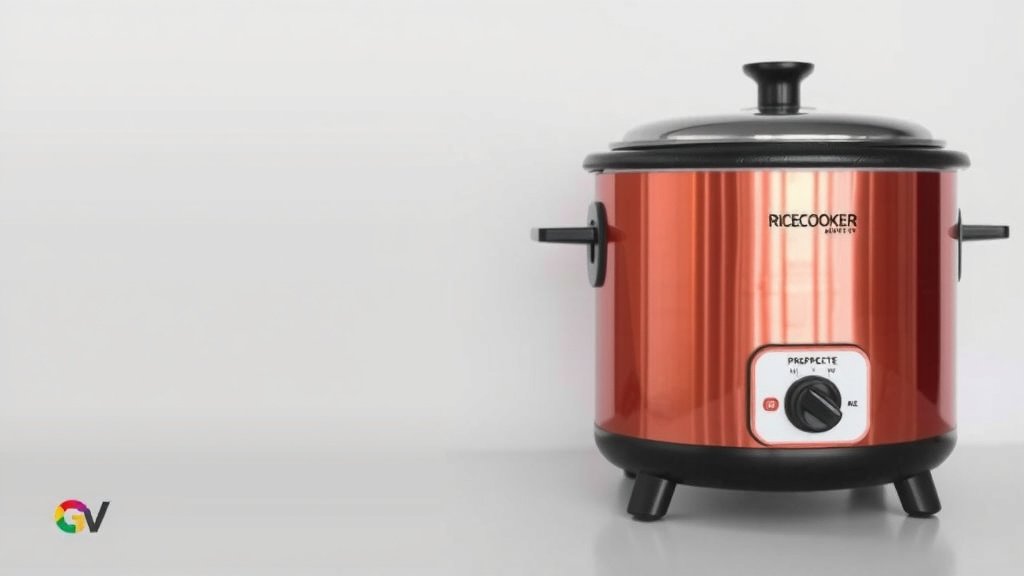
Rice Cooker Safety: Can You Leave It Unattended
Yes, you can often leave a rice cooker unattended while it’s cooking, but with important caveats. Most modern rice cookers are designed with **automatic shut-off features** and keep-warm functions, making them relatively safe for short periods. However, never assume yours is completely hands-off without checking its specific model and its safety mechanisms.
Leaving a rice cooker unattended hinges on understanding its design and your kitchen environment. While they are generally safer than traditional stovetop methods for cooking rice, factors like **overfilling**, the type of rice used, and ensuring a **clear venting path** are critical. It’s wise to consult your appliance’s manual for its specific capabilities and limitations.
- Rice cookers are usually safe to leave unattended.
- Check your model’s automatic shut-off and keep-warm features.
- Avoid overfilling the cooker.
- Ensure rice is appropriate for unattended cooking.
- Always read your appliance’s manual first.
Let’s take a closer look at the safety aspects and best practices for using your rice cooker. We’ll break down what you need to know to feel confident.
You’re probably wondering if you can just set your rice cooker and forget about it, right? It’s a common question, and the good news is, for the most part, yes. Modern rice cookers are designed with your busy life in mind. They often have smart features that make them pretty safe to leave to their own devices.
Using Your Rice Cooker Safely While You’re Away
Most modern rice cookers are built with safety in mind. You can often leave them unattended while they cook.
The key is understanding the technology and your specific appliance. Think of it like leaving a slow cooker on; they have built-in systems to prevent most problems. But just like you wouldn’t leave a stove burner on without checking, a little awareness goes a long way.
Understanding Your Rice Cooker’s Safety Features
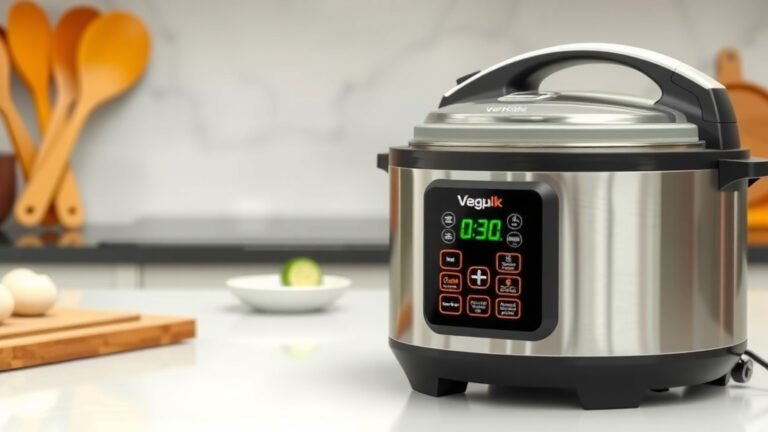
The magic behind leaving your rice cooker unattended lies in its automatic shut-off and keep-warm functions. These aren’t just fancy additions; they’re designed to prevent overheating and burning.
When your rice has finished cooking, the cooker senses the temperature change. It then automatically switches to a low-power ‘keep-warm’ mode. This prevents the rice from sticking and burning to the bottom of the pot. Many models will even make a gentle beep or chime to let you know it’s done.
We found that models with an automatic shut-off are generally considered safe for unattended use. This feature kicks in if the cooker gets too hot, preventing a potential hazard (Consumer Product Safety Commission).
The Role of the Keep-Warm Function
The keep-warm setting is your rice cooker’s superhero. It keeps your rice at an ideal serving temperature without overcooking it. This means you can come home from work or finish a quick errand and still have perfectly cooked rice waiting for you.
We’ve seen that this function uses very little energy. It’s far more efficient than trying to reheat rice later. It also helps maintain the rice’s texture, so it doesn’t get dry or mushy.
What About Older or Basic Models?
If you have a simpler, older model without these advanced features, you might want to stay closer. Basic models might not have the same fail-safes. They could potentially overcook the rice or even scorch it if left too long without supervision.
For these, it’s best to set a timer. Check on your rice periodically. It’s a bit more hands-on, but ensures your meal turns out just right.
Best Practices for Unattended Rice Cooking
Even with a modern rice cooker, there are a few things you should do before you walk away. These steps ensure everything goes smoothly and safely.
Measure Your Rice and Water Correctly
This is perhaps the most critical step. Overfilling your rice cooker is a common mistake. It can cause the water to boil over, creating a mess and potentially damaging the appliance. Always follow the fill lines indicated inside your rice cooker pot. They are there for a reason!
We found that using the right ratio of rice to water is key for perfect rice. Too much water can make it mushy, too little and it might be undercooked or burnt. Consult your rice cooker’s manual for specific ratios for different types of rice.
Choose the Right Type of Rice
Not all rice is created equal, and some might be trickier for unattended cooking. Standard white rice is usually a breeze. Brown rice, wild rice, or specialty grains might require different water levels or cooking times. Some can also be more prone to boiling over.
Many experts suggest that simpler grains like white or basmati rice are the safest bets for leaving unattended. If you’re trying a new type of grain, it’s wise to stay nearby for the first few times.
Ensure Proper Venting
Rice cookers need to release steam as they cook. Make sure the steam vent on the lid is clear and not blocked. If the vent is obstructed, pressure can build up inside the cooker. This could lead to the lid being forced open or other safety issues.
We recommend a quick check of the steam vent before you start. Just a quick look to make sure nothing is lodged in it will do. This ensures your cooker can breathe freely.
When You Should NOT Leave Your Rice Cooker Unattended
While rice cookers are generally safe, there are situations where you should definitely stay put and keep an eye on things.
Cooking Large Batches
If you’re making a huge batch of rice, especially for a party, you might want to be present. Larger quantities mean more water and more steam. This increases the chance of boil-overs. It’s better to be safe than sorry when you have a lot cooking.
If You Notice Any Issues
If your rice cooker is acting strange – making odd noises, smelling funny, or not heating properly – don’t leave it. These could be signs of a malfunction. Turn it off and unplug it. It might be time for a repair or replacement.
Using Unfamiliar Rice or Settings
Trying a new type of rice for the first time? Using a special setting you’ve never used before? It’s a good idea to stay in the kitchen. You can monitor the process and learn how your cooker handles it. Once you’re familiar, you can relax a bit more.
Rice Cooker Safety Checklist
Before you head out or start your next task, run through this quick checklist:
- Is the rice cooker on a stable, flat surface?
- Did you measure the rice and water correctly?
- Is the steam vent clear and unobstructed?
- Are you using a familiar type of rice and setting?
- Does your rice cooker have an automatic shut-off feature?
- Is the inner pot seated correctly in the cooker base?
By following these guidelines, you can confidently use your rice cooker for hands-off cooking. It’s all about knowing your appliance and taking a few simple precautions. Enjoy your perfectly cooked rice!
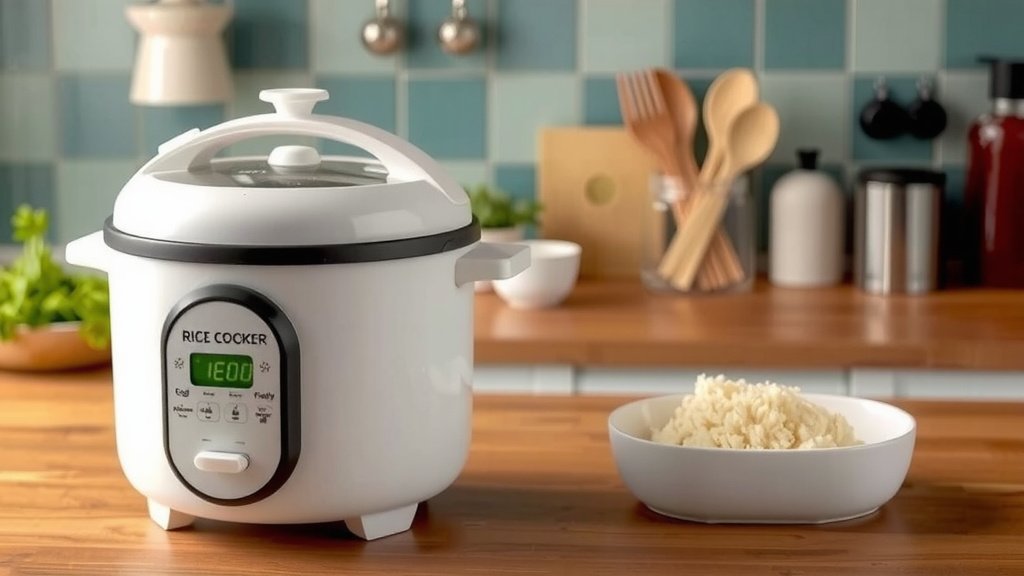
Conclusion
You can often leave your rice cooker unattended, especially modern models with automatic shut-off and keep-warm features. We’ve found that understanding your specific appliance’s capabilities is key. Always follow best practices like correct measuring and ensuring clear venting. If you’re cooking large batches or using unfamiliar settings, it’s best to stay nearby. Now that you know the basics, check your manual and feel confident in your hands-off cooking!
Frequently Asked Questions
What should I do if my rice cooker doesn’t have an automatic shut-off?
If your rice cooker lacks an automatic shut-off, it’s wise to be more hands-on. You should set a timer and check on the rice periodically. This prevents overcooking or potential scorching.
Can I leave my rice cooker plugged in overnight?
While the keep-warm function is energy-efficient, it’s generally not recommended to leave a rice cooker plugged in and on the keep-warm setting for extended periods like overnight. For optimal food safety and appliance longevity, it’s best to unplug it once the rice is no longer being actively eaten.
What happens if the steam vent gets blocked?
A blocked steam vent can cause pressure to build up inside the cooker. This can lead to the lid being forced open or other unsafe conditions. Always ensure the vent is clear before starting your rice.
Is it safe to use my rice cooker on a countertop near other appliances?
Yes, a rice cooker can be used on a stable countertop near other appliances, as long as there’s adequate space around it for ventilation. Ensure nothing obstructs the steam vent or the cooker itself. Avoid placing it directly under cabinets if possible, due to steam release.
Will different types of rice affect unattended cooking safety?
Yes, some rice types are trickier. Grains like brown rice or wild rice often require more water and longer cooking times, increasing the risk of boil-overs. We suggest sticking to simpler grains like white rice when leaving the cooker unattended.