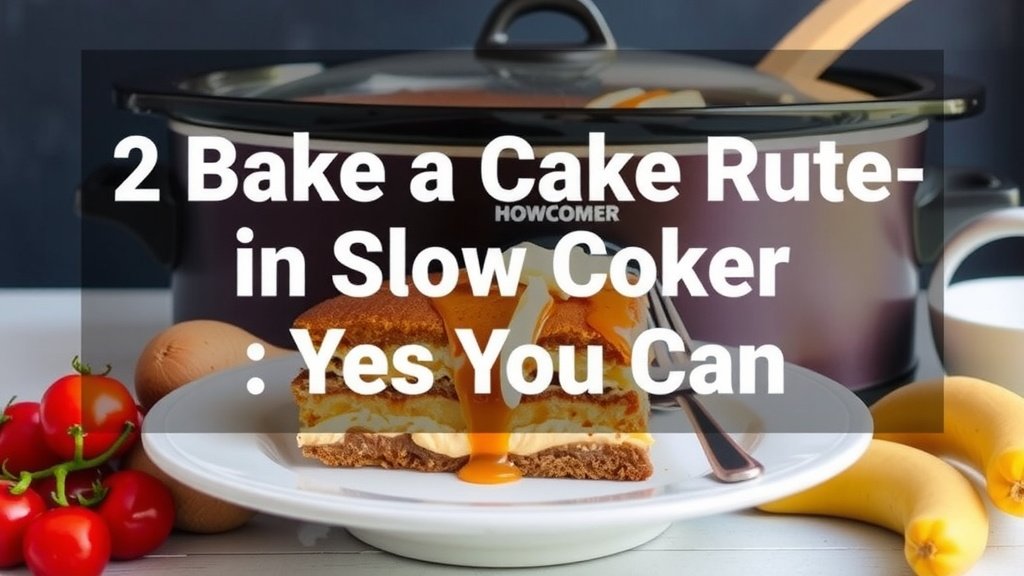
Bake a Cake in a Slow Cooker: Yes You Can
Yes, you absolutely can bake a cake in a slow cooker! It might sound a little unconventional, but many home bakers have found success with this method. You’ll get a moist and delicious cake, perfect for any occasion, without needing to turn on your oven. It’s a fantastic way to simplify your baking.
Baking in a slow cooker is a clever technique for those who want a no-fuss dessert. It’s especially great during warmer months when you want to avoid heating up your kitchen. Plus, the consistent, gentle heat from the slow cooker often results in a wonderfully tender cake texture.
- Yes, you can bake cake in a slow cooker.
- It results in a moist and tender cake.
- Great for warm weather baking.
- It’s a simpler alternative to oven baking.
So, if you’re curious about giving this a try, we’ve got you covered. Let’s walk through exactly how this works step by step!
Baking Cake in Your Slow Cooker: A Step-by-Step Guide
You might be wondering, “Can I really bake a cake in my slow cooker?” The answer is a resounding yes! It’s a fantastic alternative when your oven is busy or when you want to keep your kitchen cool. You’ll be amazed at how a slow cooker can produce a wonderfully moist and tender cake.
Why Choose a Slow Cooker for Baking?
There are several great reasons to try baking a cake in your slow cooker. It’s a method that yields delicious results with less hassle. Let’s look at some of the benefits.
Temperature Control and Moisture
Slow cookers provide a gentle, consistent heat. This low and slow cooking environment is perfect for cakes. It prevents the outside from drying out before the inside is cooked. Many find this results in a cake that’s more moist than oven-baked versions. This gentle heat helps retain moisture, making your cake wonderfully tender.
Energy Efficiency
Using a slow cooker can be more energy-efficient than heating up your entire oven. This is especially true for smaller cakes. It’s a smart choice if you’re trying to reduce your energy consumption. Think of it as a cozy little baking nook that uses less power.
Perfect for Warmer Months
Baking a cake often means heating up your kitchen. This can be uncomfortable during hot weather. Your slow cooker stays contained, so your kitchen stays nice and cool. You can enjoy freshly baked cake without breaking a sweat.
Simplicity and Convenience
The process is often simpler than traditional baking. You just need to prepare your batter and let the slow cooker do the work. There’s less to monitor, and cleanup can be easier. It’s a great option for beginner bakers or anyone looking for an easier dessert.
Preparing Your Slow Cooker for Cake
Getting your slow cooker ready is key to a successful cake. You don’t want your cake to stick or cook unevenly. A little preparation goes a long way.
Lining Your Slow Cooker
This is perhaps the most critical step. You need to create a barrier between the cake batter and the slow cooker insert. This ensures easy removal and prevents sticking. Research suggests several effective methods. You can use parchment paper, aluminum foil, or a combination of both. Ensure the lining comes up the sides of the slow cooker. This makes lifting the cake out much easier. A well-lined cooker means a beautifully intact cake.
Parchment Paper Method
Cut a round piece of parchment paper to fit the bottom of your slow cooker insert. Then, cut strips to line the sides. Make sure the paper covers all the cooking surface. This creates a non-stick surface. It also gives you handles to lift the cake out later.
Foil and Parchment Combo
Some bakers prefer to use a layer of heavy-duty aluminum foil first, followed by parchment paper. This provides extra insulation and a robust non-stick layer. Again, ensure the lining covers the bottom and sides completely. This method is often found to be very effective. It helps prevent any potential scorching.
Greasing and Flourishing (Optional but Recommended)
Even with parchment paper, a light coat of cooking spray or butter can be beneficial. Follow this with a dusting of flour. This adds an extra layer of security against sticking. It’s a small step that provides extra peace of mind. Many baking guidelines recommend this for all cake recipes.
Which Cake Recipes Work Best?
Not all cake recipes are created equal when it comes to slow cooker baking. Simpler is often better. You want a recipe that can handle the moist environment.
Box Mixes vs. From Scratch
Box cake mixes are surprisingly excellent for slow cooker baking. They are formulated for consistent results. You can often use them with minimal adjustments. Recipes from scratch can also work well. Opt for recipes that don’t rely on very delicate structures. Think pound cakes, sponge cakes, or simple butter cakes. Avoid recipes that require very specific aeration or crisping.
Moisture Content is Key
Cakes with a higher moisture content tend to do better. Recipes that use ingredients like sour cream, yogurt, or oil often yield the best results. These ingredients contribute to a tender crumb. They also help the cake withstand the moist heat of the slow cooker. You’ll find these cakes are less likely to dry out. They bake into a wonderfully rich and delicious treat.
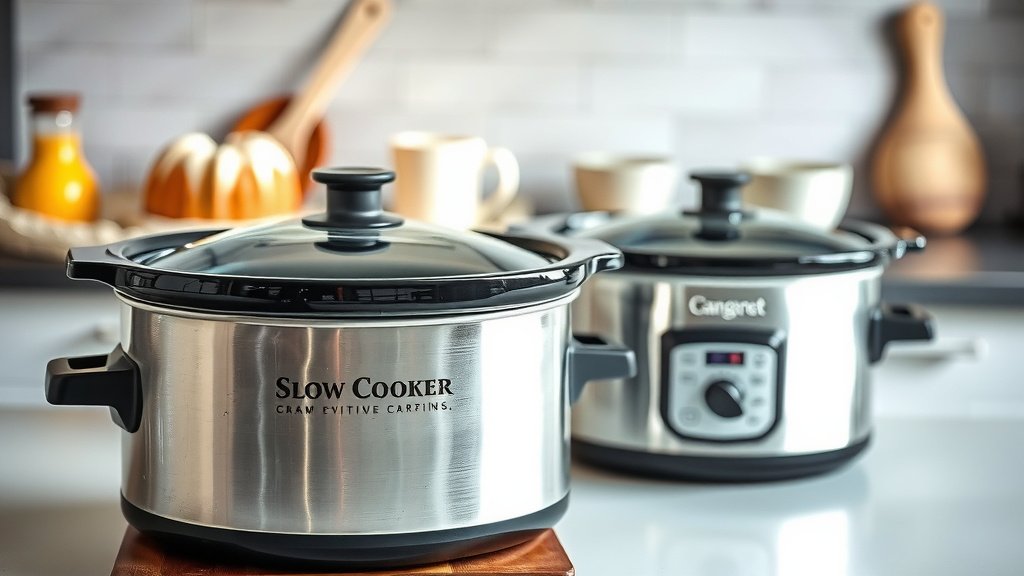
The Baking Process: Slow Cooker Style
Now for the exciting part: the actual baking! It’s a straightforward process, but a few tips can ensure success.
Preparing the Batter
Follow your chosen cake recipe instructions for mixing the batter. Once mixed, pour it gently into your prepared slow cooker insert. Don’t overfill it. Leave at least an inch or two of space at the top. The batter will rise as it bakes. You don’t want it overflowing.
Cooking Time and Temperature
This is where your slow cooker’s settings come into play. Most cakes will bake well on the low setting for 2-3 hours. Some recipes might require a high setting for 1.5-2 hours. Cooking times can vary depending on your slow cooker model and the size of the cake. It’s always best to start checking for doneness around the 1.5-hour mark. This prevents overcooking.
Checking for Doneness
How do you know when your cake is ready? The classic toothpick test works here too. Insert a toothpick or a thin skewer into the center of the cake. If it comes out clean or with a few moist crumbs, it’s done. If there’s wet batter, it needs more time. Keep cooking in 30-minute increments. Remember, slow cookers cook with moist heat, so the top might feel slightly damp. This is normal.
Important Considerations for Slow Cooker Cakes
While slow cooker cakes are fantastic, there are a few things to keep in mind. These will help you achieve the best possible outcome.
Avoiding the Soggy Bottom
A common concern is a soggy bottom. This can happen if moisture gets trapped. Ensure your liner is well-sealed. Some people place a layer of paper towels between the liner and the batter. This can absorb excess moisture. You can also try elevating the cake liner slightly. This allows for better air circulation. Proper lining is your first line of defense.
The Importance of the Lid
The lid on your slow cooker is essential. It traps the heat and moisture, creating the oven-like environment. Avoid lifting the lid unnecessarily while the cake is baking. Each time you lift it, you release heat and steam. This can significantly increase cooking time. Resist the urge to peek too often!
Cooling Your Cake
Once your cake is baked, turn off the slow cooker. Carefully lift the cake out using the parchment paper handles. Place it on a wire rack to cool. Allow it to cool in the insert for about 10-15 minutes before lifting it out. This helps it set. Then, let it cool completely on the rack. This prevents it from becoming gummy. Proper cooling ensures the best texture.
Quick Checklist for Your First Slow Cooker Cake
Ready to give it a try? Here’s a quick rundown of what you’ll need to remember:
- Choose a suitable cake recipe.
- Thoroughly line your slow cooker insert.
- Prepare your cake batter as usual.
- Pour batter into the prepared insert, leaving space.
- Cook on low for 2-3 hours, checking for doneness.
- Cool properly before slicing and serving.
Conclusion
You’ve learned that baking a cake in your slow cooker is not just possible, but it’s also a wonderfully simple and effective method. This technique consistently delivers a moist and tender cake, perfect for any occasion, while keeping your kitchen cool and saving energy. By properly lining your slow cooker and choosing the right recipe, you can achieve fantastic results with minimal fuss. Now it’s your turn to try it out! Gather your ingredients, prepare your slow cooker, and get ready to bake your first delicious slow cooker cake.
Frequently Asked Questions
Will my cake turn out soggy in a slow cooker?
A soggy bottom can sometimes happen, but it’s usually preventable. Ensure you thoroughly line your slow cooker with parchment paper or foil, making sure it reaches up the sides. Some bakers also find placing a layer of paper towels between the liner and batter helps absorb extra moisture.
Can I use any cake recipe in a slow cooker?
While most recipes can be adapted, simpler cakes with a higher moisture content tend to work best. Recipes using ingredients like sour cream, yogurt, or oil often yield excellent results. Delicate cakes that require precise oven textures might not be the ideal choice.
How do I know when the cake is fully cooked?
The best way to check for doneness is the classic toothpick test. Insert a toothpick or a thin skewer into the center of the cake; if it comes out clean or with a few moist crumbs, it’s ready. Avoid lifting the lid too often, as this can prolong the cooking time.
What’s the difference between baking in a slow cooker versus an oven?
The main difference is the cooking environment. A slow cooker uses gentle, moist heat, which results in a very tender and moist cake. An oven uses dry heat, which can create a crispier crust. Slow cooking also avoids heating up your entire kitchen.
How should I cool a cake baked in a slow cooker?
Once baked, carefully lift the cake out of the slow cooker using the liner’s edges. Let it cool in the insert for about 10-15 minutes before transferring it to a wire rack to cool completely. This helps the cake set properly and prevents it from becoming gummy.