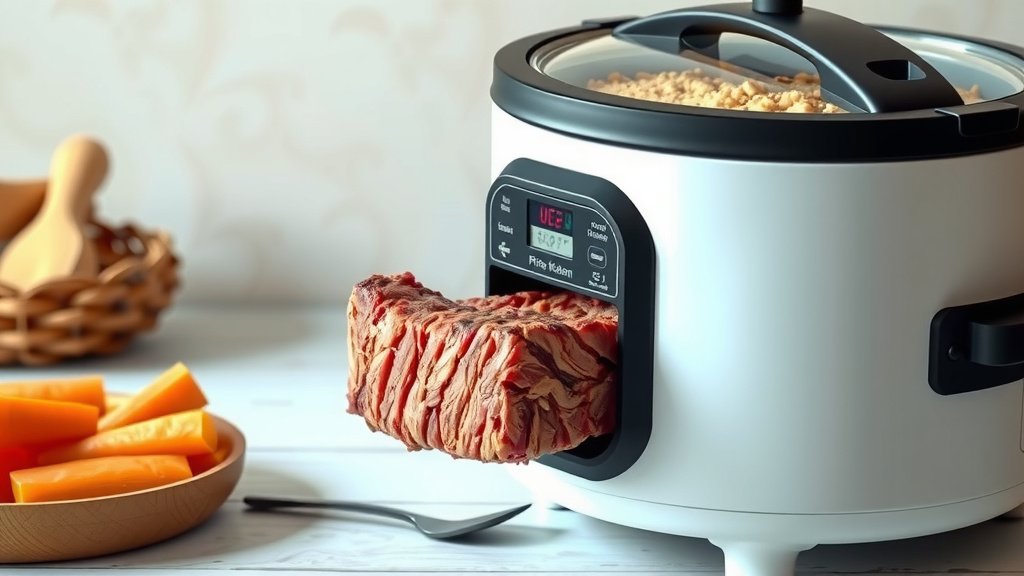
Cook Meat in a Rice Cooker? Yes, Here’s How
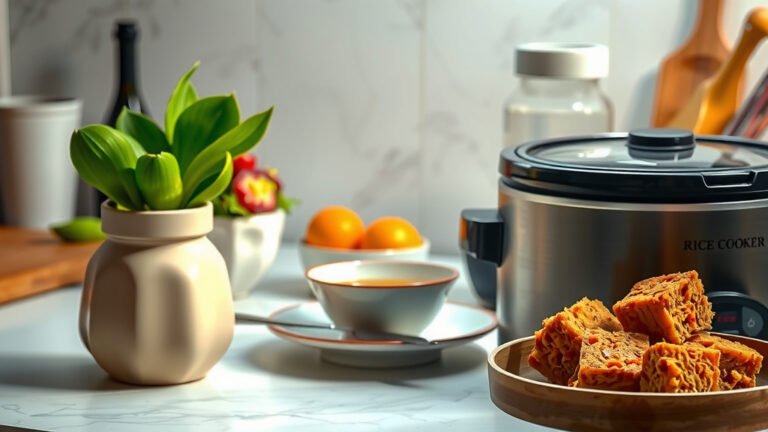
Yes, you absolutely can cook meat in a rice cooker! It’s a surprisingly versatile appliance. Many people use it for basics like rice, but it can also handle slow-cooked meals and tender meats. You just need to use the right settings and know a few simple tricks.
Think of your rice cooker as a mini slow cooker. It’s designed for gentle, consistent heat. This makes it perfect for breaking down tougher cuts of meat. You can achieve tender, flavorful results without much fuss. It’s a great way to simplify meal prep, especially for busy weeknights.
- Rice cookers can cook meat.
- Use the “slow cook” or “porridge” setting.
- Tougher cuts work best for tender results.
- It’s like a mini slow cooker.
- Prep ahead for easy meals.
Ready to see how it’s done? Let’s walk through how to get your rice cooker cooking delicious meat dishes.
Cooking Meat in Your Rice Cooker: A Simple Guide
You might be wondering if your trusty rice cooker is up to the task of cooking meat. The short answer is a resounding yes! It’s a fantastic appliance for more than just fluffy rice. We found that with a little know-how, you can create wonderfully tender and flavorful meat dishes using this often-underestimated kitchen gadget.
Think of your rice cooker as a gentle, consistent heat source. This makes it ideal for methods like steaming or slow-cooking. It’s especially good at breaking down tougher cuts of meat. This means you can get that fall-apart texture without hours of active monitoring. It’s a real time-saver for busy cooks.
Choosing the Right Meat for Your Rice Cooker
Not all cuts of meat are created equal when it comes to rice cooker cooking. For the best results, focus on cuts that benefit from slow, moist heat. These meats tend to have more connective tissue. The rice cooker’s gentle cooking process will break these down, making the meat incredibly tender.
Best Cuts to Try
When you’re planning your rice cooker meal, consider these types of meat. They are forgiving and yield delicious results:
- Beef Chuck Roast: This classic slow-cooking cut is perfect. It has good marbling and connective tissue that becomes wonderfully tender.
- Pork Shoulder (Boston Butt): Similar to beef chuck, pork shoulder is forgiving. It’s ideal for pulled pork or any dish where you want meat that shreds easily.
- Chicken Thighs: Boneless or bone-in, chicken thighs are packed with flavor and stay moist. They are less prone to drying out than chicken breast.
- Lamb Shoulder: Another excellent option for slow cooking. Lamb shoulder becomes succulent and deeply flavorful when cooked gently.
Cuts to Approach with Caution
While you *can* cook leaner cuts, they are more likely to become dry or tough. If you opt for something like chicken breast or lean beef, be sure to add extra liquid and monitor closely. You may need to adjust cooking times. We found that fattier, tougher cuts are generally more forgiving in a rice cooker.
Rice Cooker Settings for Meat Success
Your rice cooker likely has a few different settings. Not all of them are suitable for cooking meat. Understanding these settings is key to avoiding disappointment.
The “Slow Cook” or “Porridge” Setting
Many modern rice cookers come with a dedicated “Slow Cook” setting. This is your best friend for cooking meat. It mimics the low, steady heat of a traditional slow cooker. If your model doesn’t have a “Slow Cook” option, look for a “Porridge” or “Congee” setting. These often operate at a similar low temperature and are perfect for simmering meats.
The “White Rice” or “Cook” Setting (Use with Caution!)
This is the standard setting for cooking rice. It typically runs at a higher temperature and switches to “Keep Warm” once the water is absorbed. While you *can* sometimes cook small, tender pieces of meat on this setting, it’s generally not recommended for larger cuts or tougher meats. The high heat can easily overcook and dry out meat quickly. We found it’s best to reserve this for quick-cooking items or to finish off pre-cooked meats.
“Keep Warm” – Not for Cooking!
Never try to cook raw meat using only the “Keep Warm” setting. This temperature is designed to hold food at a safe serving temperature, not to cook it through. The FDA recommends keeping hot foods above 140°F (60°C) to prevent bacterial growth (FDA). The “Keep Warm” function generally operates below this threshold for prolonged periods.
How to Prepare Your Meat for the Rice Cooker
Getting your meat ready is straightforward. The goal is to create a flavorful environment for it to cook in. This involves a few simple steps:
Seasoning is Key
Don’t be shy with your seasonings! Rub the meat generously with salt, pepper, and any other spices you enjoy. Think paprika, garlic powder, onion powder, or your favorite herb blends. For a bit of a kick, consider chili powder or cumin. A good rub will infuse flavor deep into the meat as it cooks.
Adding Liquids for Moisture and Flavor
This is perhaps the most critical part of cooking meat in a rice cooker. You need sufficient liquid to ensure the meat doesn’t dry out and to create steam for cooking.
- Broth: Chicken, beef, or vegetable broth adds a great base flavor.
- Water: Plain water works in a pinch, but broth offers more taste.
- Sauces: Soy sauce, Worcestershire sauce, or even BBQ sauce can add incredible depth.
- Aromatics: Consider adding sliced onions, garlic cloves, or bay leaves to the liquid for extra aroma.
The amount of liquid needed will vary depending on the cut and size of your meat. As a general guideline, aim for at least 1-2 cups of liquid. Some experts suggest ensuring the liquid comes at least halfway up the side of the meat. We found that more liquid is usually better than not enough when you’re unsure.
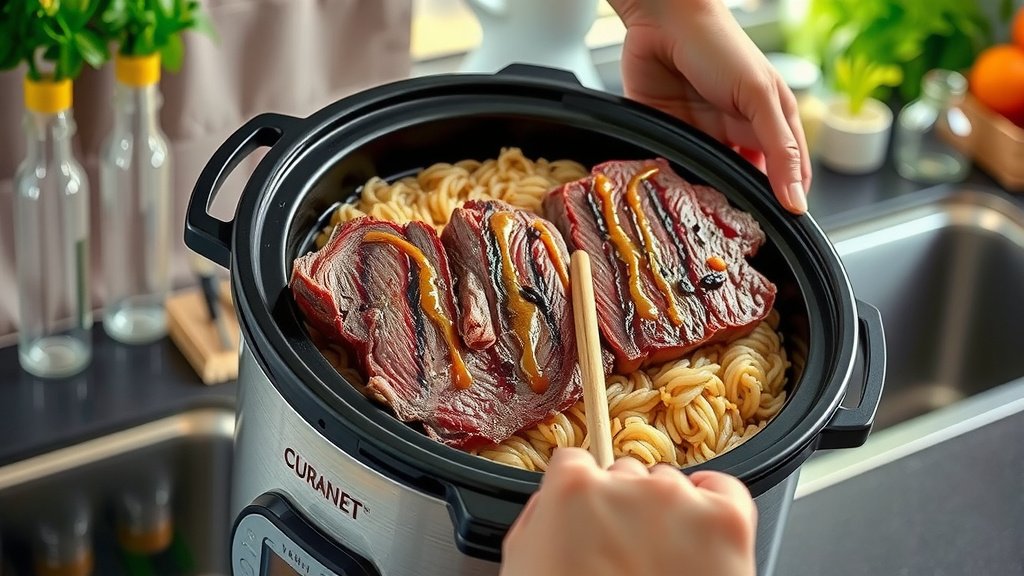
Step-by-Step Cooking Process
Ready to give it a go? Here’s a simple method to follow:
- Prepare the Rice Cooker Bowl: Lightly grease the inner bowl with cooking spray or a little oil. This prevents sticking.
- Season the Meat: Rub your chosen cut of meat generously with your desired seasonings.
- Place Meat in Bowl: Put the seasoned meat into the greased rice cooker bowl.
- Add Liquids and Aromatics: Pour in your chosen liquids and add any aromatics like onions or garlic. Ensure there’s enough liquid to partially submerge the meat.
- Select the Right Setting: Choose the “Slow Cook” or “Porridge” setting. If neither is available, consult your rice cooker’s manual for the best alternative.
- Set Cooking Time: For tougher cuts like chuck roast or pork shoulder, plan for 3-6 hours. For chicken thighs, 1.5-3 hours should suffice. Cooking times can vary widely based on your specific rice cooker and the size of the meat. For chicken thighs, 1.5-3 hours should suffice, but cooking times can vary.
- Check for Doneness: Use a meat thermometer to ensure the internal temperature reaches a safe level. For beef and pork, aim for at least 145°F (63°C) followed by a 3-minute rest. For chicken, it’s 165°F (74°C). The meat should also be fork-tender.
- Rest and Shred/Slice: Once cooked, remove the meat from the rice cooker and let it rest for 10-15 minutes before shredding or slicing.
Tips for Extra Flavor and Tenderization
Want to take your rice cooker meat dishes to the next level? Try these simple tricks:
- Sear First: For beef or pork, searing the meat in a hot pan before placing it in the rice cooker can add a delicious brown crust and extra flavor. This is optional but recommended for those who like that extra depth.
- Marinate: Marinating meat for a few hours or overnight can significantly boost flavor and help tenderize it further.
- Add Vegetables: Towards the last hour of cooking, you can often add hearty vegetables like potatoes, carrots, or onions directly into the liquid.
- Deglaze the Pan: After cooking, if there are browned bits stuck to the bottom of the rice cooker bowl, you can add a splash of liquid and scrape them up to create a flavorful sauce.
Your Rice Cooker Meat Checklist
Before you start your rice cooker meat adventure, run through this quick checklist:
- Have you chosen a suitable cut of meat?
- Is your rice cooker bowl clean and lightly greased?
- Have you seasoned the meat generously?
- Are you using enough cooking liquid (broth, water, or sauce)?
- Have you selected the correct cooking setting (“Slow Cook” or “Porridge”)?
- Do you have a meat thermometer ready to check for safe internal temperatures?
By following these guidelines, you’ll be well on your way to enjoying delicious, tender meat cooked with surprising ease. It’s a fantastic way to simplify weeknight dinners or impress guests with minimal effort.
Conclusion
You’ve learned that your rice cooker is far more versatile than you might have thought! It’s a reliable tool for tenderizing tougher meat cuts, just like a mini slow cooker. By using the right settings, like “Slow Cook” or “Porridge,” and ensuring enough liquid, you can achieve delicious, fall-apart results. Don’t be afraid to experiment with seasonings and aromatics. Your next simple, flavorful meal is just a rice cooker cycle away. Now, go ahead and grab that chuck roast or pork shoulder—your rice cooker is ready for its next challenge!
Frequently Asked Questions
Can I cook chicken breast in a rice cooker?
While possible, chicken breast is a leaner cut and can easily become dry. We recommend adding extra liquid, perhaps a flavorful broth or sauce, and monitoring it closely. It might cook faster than tougher cuts. For the most tender results, fattier cuts like thighs are generally a better choice.
How much liquid should I use when cooking meat in a rice cooker?
Aim for at least 1-2 cups of liquid, or enough to submerge the meat about halfway. More liquid is usually better than not enough, especially with tougher cuts. This liquid is essential for creating steam and preventing the meat from drying out during the long cooking process.
What if my rice cooker doesn’t have a “Slow Cook” setting?
Don’t worry if your rice cooker lacks a dedicated “Slow Cook” button. Many models have a “Porridge” or “Congee” setting that functions similarly with low, consistent heat. Always check your rice cooker’s manual for the best alternative setting for simmering or slow cooking.
Is it safe to cook meat on the “Keep Warm” setting?
No, you should never try to cook raw meat using only the “Keep Warm” setting. This setting is designed to maintain a safe serving temperature for already cooked food, not to cook raw meat through. Cooking meat requires higher temperatures to ensure it’s safe to eat.
Can I add vegetables along with the meat?
Yes, you can! For heartier vegetables like potatoes, carrots, or onions, add them during the last hour or so of cooking. This allows them to become tender without turning mushy. Ensure there’s enough liquid to cook both the meat and the vegetables properly.