Pressure Cooker Recipes: What to Cook Today
Yes, you can cook a surprisingly wide variety of meals in a pressure cooker! From tender meats and hearty stews to perfectly cooked grains and even desserts, your pressure cooker is a true kitchen workhorse. It’s designed to speed up cooking times significantly by trapping steam and increasing internal pressure, making tough cuts of meat fall-apart tender in a fraction of the usual time.
Think beyond just chili and roasts. We’ve found that pressure cookers excel at making fluffy rice and perfectly steamed vegetables. They’re also fantastic for quick dinners when you’re short on time, transforming ingredients that normally take hours into delicious meals in under an hour. You might be surprised by how many dishes can be made quicker and easier with this handy appliance.
- You can cook meats, stews, soups, grains, beans, and even some desserts.
- It dramatically cuts down cooking time for many dishes.
- Ideal for tenderizing tough cuts of meat.
- Great for quick weeknight meals when you’re short on time.
- Versatile enough for both savory and sweet recipes.
Ready to discover the full potential of your pressure cooker? Let’s dive into the delicious possibilities and transform your meal prep.
So, you’ve got a pressure cooker, and you’re wondering, “What exactly can I make with this thing?” You’re not alone! Many people think of pressure cookers for just a few specific dishes, but we’ve found they’re incredibly versatile. Your pressure cooker can become your go-to appliance for a whole host of meals, saving you time and effort.
Dinner Delights You Can Whip Up with Your Pressure Cooker
Your pressure cooker is a culinary chameleon. It can handle everything from slow-cooked favorites to speedy weeknight meals.
Tender Meats and Poultry
This is where your pressure cooker truly shines. Tougher cuts of meat, like beef chuck or pork shoulder, transform into incredibly tender morsels. Think fall-apart pot roast, succulent pulled pork, or even tender lamb shanks. The high pressure breaks down connective tissues quickly, mimicking hours of slow cooking in a fraction of the time. You can achieve that melt-in-your-mouth texture that usually requires a whole afternoon in the oven or on the stovetop. We found that chicken thighs become incredibly juicy, and even whole chickens can be cooked through and tender in under 30 minutes.
Beef and Pork
You can make amazing pot roast, beef stew, and short ribs. Pulled pork for sandwiches is a breeze. Even corned beef for St. Patrick’s Day can be done quickly.
Poultry
Whole chickens, chicken breasts, and chicken thighs cook beautifully. They are perfect for shredding for tacos or salads.
Hearty Soups and Stews
Forget simmering on the stove for hours. Your pressure cooker brings out deep flavors in soups and stews rapidly. Chili, for instance, goes from a multi-hour project to an hour-long meal. Vegetable soups become deeply flavorful as the ingredients meld under pressure. Lentil soups, split pea soup, and minestrone are also fantastic candidates. We found that the sealed environment helps ingredients retain their nutrients and vibrant colors, making your soups both delicious and wholesome. It’s ideal for those chilly evenings when you crave comfort food without the wait.
Grains and Legumes Made Easy
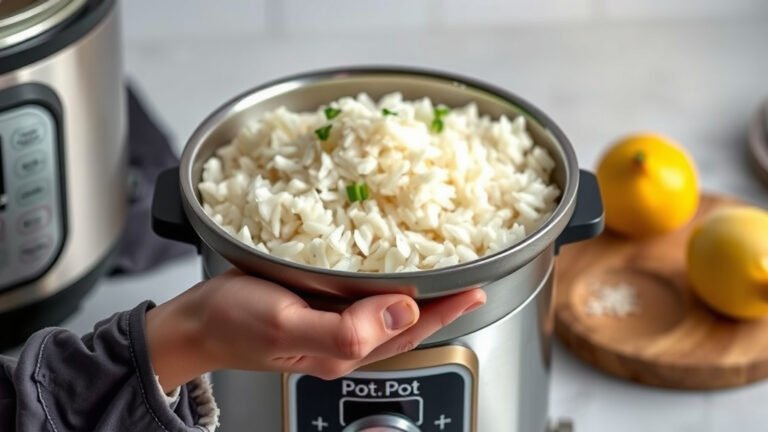
Cooking dried beans from scratch used to be an overnight soak and hours-long simmer. Not anymore! Your pressure cooker can cook dried beans, like chickpeas, black beans, or kidney beans, from dry in about an hour or less, with no soaking required. Rice, too, cooks up perfectly fluffy. Brown rice, which typically takes 40-50 minutes, can be done in around 20-25 minutes. Quinoa, farro, and barley also benefit from the speed and consistent results pressure cooking provides. We found that grains cooked this way have a wonderful texture, never mushy or undercooked.
| Food Item | Stovetop/Oven Time | Pressure Cooker Time (Approx.) |
|---|---|---|
| Dried Chickpeas | 4-8 hours (plus soaking) | 30-45 minutes |
| Beef Chuck Roast | 3-4 hours | 60-75 minutes |
| Brown Rice | 40-50 minutes | 20-25 minutes |
| Pulled Pork | 6-8 hours | 70-90 minutes |
Vegetables: Fast and Fresh
While some vegetables can become mushy if overcooked, your pressure cooker is excellent for steaming or quickly cooking others. Think tender-crisp broccoli, vibrant steamed carrots, or perfectly cooked potatoes for mashing or salads. Asparagus cooks in just a couple of minutes. Sweet potatoes and regular potatoes become tender very quickly, perfect for mashing or adding to other dishes. Many guidelines suggest using the “quick release” method for vegetables to prevent them from cooking too long. We found that vegetables retain more of their bright color and nutrients when cooked this way compared to prolonged boiling.
Beyond Savory: Sweet Treats and More
Did you know you can make desserts and other surprising items? Cheesecake is a popular pressure cooker dessert, coming out incredibly smooth and creamy. You can also make custards, crème brûlée, or even a quick apple crumble. Hard-boiled eggs are another win; they peel like a dream! Many people use their pressure cookers to make stocks and broths quickly, extracting maximum flavor from bones and vegetables. Even things like jams and jellies can be made faster. It truly expands your culinary horizons.
Quick Breakfasts
Steel-cut oats cook in a fraction of the time, making for a faster, heartier breakfast. You can even make breakfast hashes.
Desserts and Sweets
Cheesecake, custards, and puddings are all possible. Fruit compotes and jams are also quick to make.
What to Consider When Pressure Cooking
While the possibilities are vast, there are a few things to keep in mind. Always follow your specific model’s instructions. Ensure you have enough liquid; pressure cookers need steam to build pressure. Avoid overfilling the pot, as this can affect performance and safety. We found that most recipes provide clear guidelines on liquid amounts and cooking times. Don’t be afraid to experiment once you get comfortable. You might be surprised at what you can create!
Here’s a quick checklist to get you started:- Mastering tough cuts of meat.
- Whipping up hearty soups and stews.
- Cooking dried beans without soaking.
- Preparing fluffy rice and other grains.
- Steaming vegetables quickly.
- Experimenting with simple desserts.
Conclusion
You’ve seen how your pressure cooker is much more than a one-trick pony. It’s a true kitchen ally, ready to tackle everything from tough cuts of meat and hearty stews to perfect grains and even simple desserts. By harnessing the power of steam, you can dramatically cut down cooking times while infusing meals with incredible flavor and tenderness. Don’t let your pressure cooker gather dust! We encourage you to try one new recipe this week and discover how much easier and faster your meal prep can become. Your taste buds (and your schedule) will thank you.
Frequently Asked Questions
Can I pressure cook frozen meats?
Yes, you can pressure cook many frozen meats, but it requires adjustments. You’ll typically need to add more liquid and increase the cooking time compared to using fresh meat. We found that it’s best to check your pressure cooker’s manual for specific guidance on cooking times for frozen items to ensure safety and proper cooking.
What is the difference between natural release and quick release?
Natural release involves letting the pressure drop on its own, which is gentler and allows food to continue cooking softly. Quick release involves manually venting the steam, which stops the cooking process immediately. We recommend quick release for vegetables to keep them crisp, and natural release for meats and beans to help them stay tender.
Is it safe to leave a pressure cooker unattended?
Generally, it is not recommended to leave a modern electric pressure cooker completely unattended, especially during the initial pressurizing phase. While they have safety features, it’s wise to stay nearby. For stovetop models, you should always monitor them closely. We’ve found that keeping an eye on your cooker ensures everything is running smoothly.
Can I use any pot or pan inside an electric pressure cooker?
If your electric pressure cooker has a removable inner pot, you can often use other compatible inserts, like a glass or ceramic dish for cheesecakes or a steamer basket. However, always ensure that any insert you use is the correct size and made of food-safe material. We advise checking your model’s manual for approved accessories.
What kind of recipes are NOT suitable for pressure cookers?
Recipes that require a lot of evaporation or crisping, like fried foods or delicate baked goods that need to dry out, are not ideal. Foods that expand significantly, such as popcorn, can also be problematic. We found that anything needing a crispy texture or where moisture needs to escape extensively is best avoided.