What is a Freestanding Cooker: Your Complete Guide
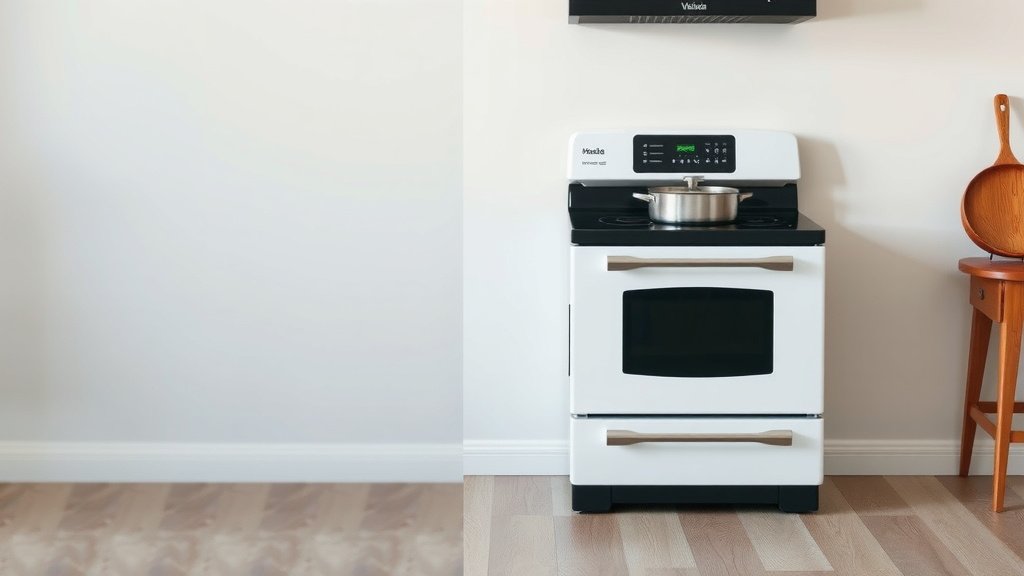
A freestanding cooker is a kitchen appliance that combines a cooktop and an oven into a single unit. It stands on its own, often placed between cabinets or against a wall. These units are incredibly versatile and are a popular choice for many homes because they offer a complete cooking solution in one package. You don’t need special installation, just a power source.
Think of it as your all-in-one kitchen workhorse. It’s different from built-in ovens and separate cooktops. A freestanding unit houses both your stovetop burners and your oven below. This makes it a convenient and accessible option, perfect for kitchens of various sizes. Many homeowners love how they can simply roll it into place and start cooking.
- A freestanding cooker is a single unit with a stovetop and oven.
- It stands on its own and doesn’t require built-in installation.
- It offers a complete cooking solution for your kitchen.
- They are easy to install and move compared to integrated appliances.
- Freestanding cookers come in gas, electric, and dual-fuel options.
Ready to learn more about what makes these units so popular? Below, we’ll walk through the different types and what makes a freestanding cooker the right choice for your kitchen.
“`htmlUnderstanding the Freestanding Cooker
A freestanding cooker is a fantastic all-in-one kitchen appliance. It houses both a stovetop and an oven in a single, self-contained unit. This means you get your burners on top and your oven below, all in one stylish package. They are designed to stand on their own, typically placed on the floor. You can slot them between cabinets or stand them against a wall. They’re incredibly popular because they offer a complete cooking solution without needing custom cabinetry. For many homeowners, this simplicity and versatility is key.
Key Features and Benefits You’ll Love
When you’re looking at kitchen appliances, freestanding cookers really shine. They offer a complete cooking setup that’s easy to get started with. You don’t need to worry about matching a separate oven and cooktop. Everything is integrated for your convenience.
Space Efficiency and Placement Options
One of the biggest draws is how they fit into your kitchen. Unlike built-in models, a freestanding cooker doesn’t require custom cabinet cutouts. You can place it almost anywhere there’s an outlet or gas line. This makes them a great choice for smaller kitchens. They can slide neatly between existing countertops. Or, they can stand proudly against a wall, becoming a focal point. We found that this flexibility is a huge advantage for many renovators.
Ease of Installation and Maintenance
Installation is generally straightforward. For electric models, you just need the right electrical outlet. Gas models require a gas line connection and a qualified professional. Once installed, they’re generally easy to keep clean. The surfaces are usually accessible, making wiping down spills a breeze. Many experts say that accessible maintenance is a big plus for busy households.
Aesthetically Pleasing Designs
Freestanding cookers come in a wide array of styles and finishes. You can find them in classic stainless steel, sleek black, crisp white, and even vibrant colors. This allows you to match your cooker to your kitchen’s existing décor. From modern minimalist designs to more traditional looks, there’s a freestanding cooker to suit your taste. We found that the variety of finishes available helps homeowners achieve their desired kitchen aesthetic.
Types of Freestanding Cookers Explained
When you’re shopping, you’ll notice that freestanding cookers come in a few main variations. The primary differences lie in the fuel source they use for cooking and baking. Understanding these differences will help you choose the best fit for your kitchen and your cooking style.
Electric Cookers: The Common Choice
Electric freestanding cookers are very popular. They use electricity to power both the stovetop burners and the oven. Electric cooktops can be smooth ceramic or glass surfaces, or they can have traditional coiled elements. Smooth tops are often easier to clean. The oven provides consistent heat, which is great for baking. Many consumer guides suggest electric ovens offer a very even baking temperature.
Gas Cookers: The Chef’s Favorite
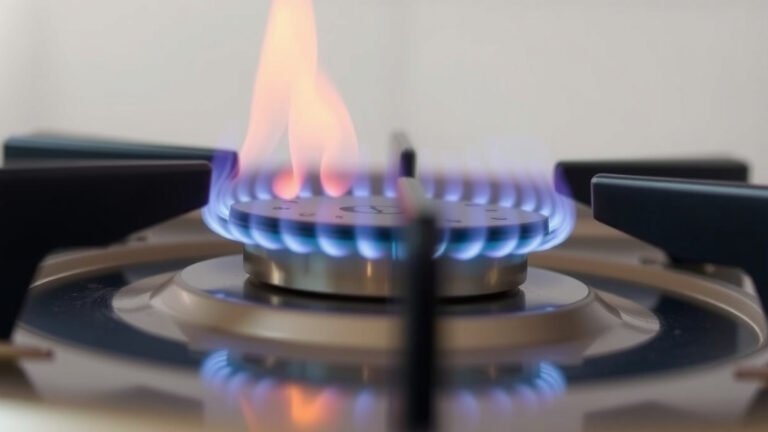
Gas freestanding cookers use natural gas or propane for their burners and often for the oven as well. Many chefs prefer gas cooktops because they offer instant heat and precise control over the flame. You can see and adjust the heat level immediately. Gas ovens also tend to bake differently than electric ones, some people prefer the moist heat they provide. We found that gas cookers offer a highly responsive cooking experience for the stovetop.
Dual-Fuel Cookers: The Best of Both Worlds
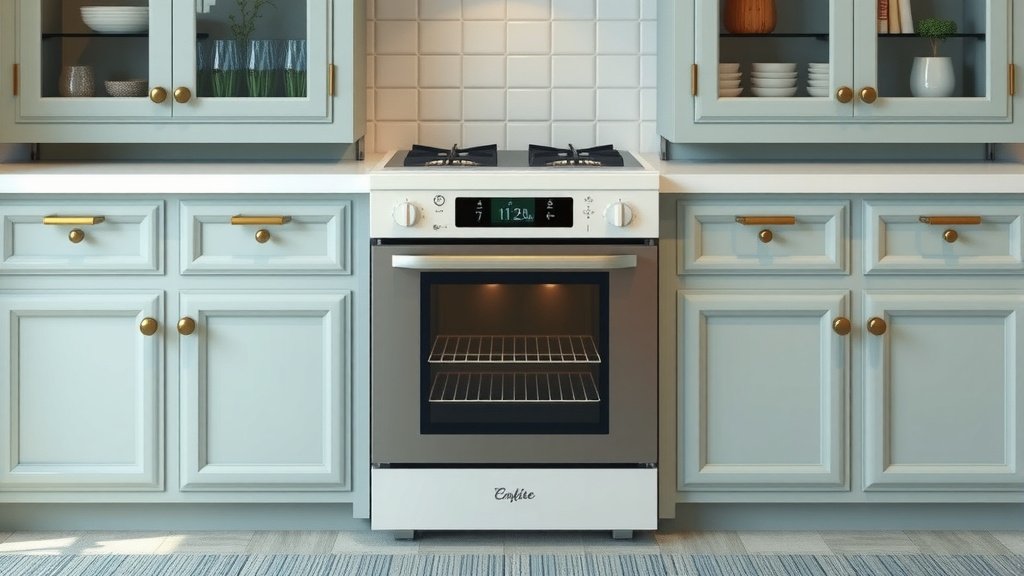
What about the best of both worlds? That’s where dual-fuel freestanding cookers come in. These amazing appliances combine a gas cooktop with an electric oven. You get the instant heat control of gas burners for your stovetop. Then, you benefit from the consistent, even heat of an electric oven for baking and roasting. This is often considered the ultimate cooking setup for enthusiasts. Many professional kitchens opt for this configuration.
What to Consider When Choosing Your Freestanding Cooker
Selecting the right freestanding cooker involves a few key considerations. You want to make sure it fits your space, your budget, and your cooking habits. Thinking through these points will help you make a confident decision.
Size and Dimensions
Measure your kitchen space carefully. Standard widths for freestanding cookers are typically 20, 24, 30, and 36 inches. You need to ensure the cooker will fit. Also, consider the depth and height. Make sure it will align with your existing countertops and cabinets. A quick check of dimensions can save you a lot of hassle later.
Fuel Type Compatibility
Do you have a gas line available? If not, an electric or dual-fuel model might be your only option or require new installation. Check your existing power supply to ensure it can handle an electric cooker. Many older homes might need an electrical upgrade. Your local utility provider or an electrician can advise you on this. You want to make sure your home can safely support your choice.
Features and Functions
Modern freestanding cookers come with a variety of features. Think about what you cook most often. Do you need multiple oven racks? Special burner sizes for different pots? Self-cleaning functions? Convection cooking? Digital displays? Some even have warming drawers. Researching these can help you find a model that truly enhances your cooking. For example, convection ovens can cook food faster and more evenly.
Budget and Brand Reputation
Freestanding cookers range widely in price. Set a budget before you start shopping. Consider established brands known for reliability and good customer service. Reading reviews can give you insight into a brand’s track record. We found that investing a little more in a reputable brand often leads to better long-term satisfaction.
Making Your Choice: A Quick Checklist
Ready to find your perfect freestanding cooker? Here’s a quick rundown to help you finalize your decision:
- Measure your kitchen space accurately.
- Confirm your available fuel source (gas, electric, or both).
- Decide on the essential features you need.
- Consider the aesthetic that best fits your kitchen design.
- Set your budget and research reputable brands.
- Read user reviews for real-world performance feedback.
Conclusion
You’ve learned that a freestanding cooker is a versatile, all-in-one kitchen appliance. It combines your stovetop and oven into one unit, offering convenience and flexibility for any home. Whether you prefer electric, gas, or a dual-fuel setup, there’s a freestanding cooker to match your cooking style and kitchen needs. By considering size, fuel type, features, and your budget, you can confidently choose the perfect model to simplify your kitchen tasks and enhance your cooking experience. Your next step is to measure your space and start browsing the options that best fit your lifestyle.
Frequently Asked Questions
Are freestanding cookers hard to move if I need to rearrange my kitchen?
Freestanding cookers are designed to be relatively easy to move compared to built-in appliances. Once disconnected from power or gas, you can typically slide them out to clean behind or reposition them. You might need a bit of help, especially for larger models, but they don’t require dismantling cabinetry.
Can I use a freestanding cooker if I don’t have a gas line?
Absolutely. If you don’t have a gas line, you can opt for a fully electric freestanding cooker. These use electricity for both the stovetop and oven. If you love the responsiveness of gas burners but lack a gas line, a dual-fuel model might still be an option if you’re willing to have a gas line professionally installed.
What’s the main difference between a freestanding cooker and a range?
In the US, the term “range” is often used interchangeably with “freestanding cooker” for this type of appliance. Both refer to a single unit that combines a cooktop and an oven. The term “cooker” is more common in other regions, but the appliance itself is essentially the same.
How do I know if my kitchen electrical outlet is suitable for an electric freestanding cooker?
Electric freestanding cookers, especially ovens, require a dedicated, higher-voltage electrical outlet. Standard outlets might not be sufficient. It’s best to check the amperage and voltage requirements listed on the cooker’s specifications or consult with an electrician to ensure your home’s wiring can safely support the appliance.
Are freestanding cookers more expensive than buying a separate cooktop and oven?
Generally, a freestanding cooker can be more cost-effective than purchasing a separate, integrated cooktop and built-in oven. You’re buying one unit instead of two, and the installation is typically less complex and therefore cheaper. However, high-end models of either configuration can be quite expensive.