What is an Egg Cooker? Your Ultimate Guide
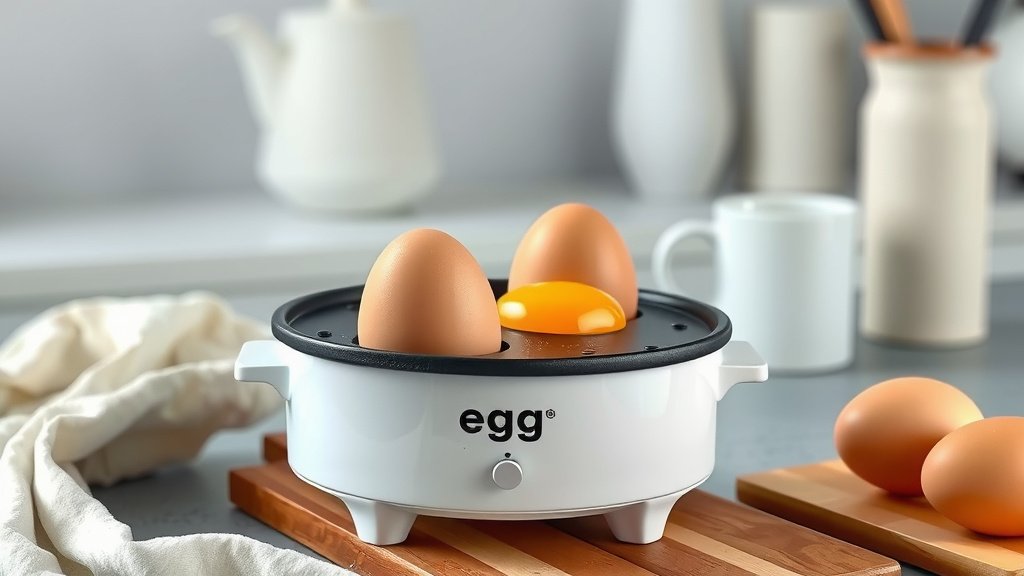
An egg cooker is a small kitchen appliance designed to cook eggs perfectly every time. It uses steam to boil, poach, or scramble your eggs with minimal effort. You just add water and your eggs, and it does the rest, delivering consistent results with minimal supervision.
Many people find cooking eggs can be tricky. Achieving that perfect soft-boiled or firm-hard-boiled egg can feel like a culinary guessing game. An egg cooker takes the guesswork out of it, making it a convenient tool for busy mornings or anyone who loves eggs but dislikes the fuss of traditional methods. We found it simplifies breakfast prep significantly.
- An egg cooker is a kitchen gadget for steaming eggs.
- It cooks eggs to your desired doneness (boiled, poached, scrambled).
- You add water and eggs, and the appliance handles the cooking.
- It offers a reliable and easy way to prepare eggs quickly.
- Perfect for busy mornings and consistent results.
Ready to simplify your mornings and master your eggs? Let’s walk through what an egg cooker is and why it might become your new favorite kitchen helper.
“`htmlUnderstanding the Magic of Egg Cookers
So, what exactly is this handy gadget we call an egg cooker? Think of it as your personal egg assistant. It’s a compact kitchen appliance specifically designed to take the headache out of cooking eggs. You know, those moments you stare at a pot of boiling water, wondering if your eggs are about to become rubbery hockey pucks or sad, undercooked blobs? An egg cooker is here to save the day. It uses the simple power of steam to prepare your eggs precisely how you like them, whether that’s soft-boiled, hard-boiled, poached, or even scrambled. You add a little water, place your eggs, and let the machine work its magic. It’s designed for consistent and repeatable results, making breakfast (or any meal!) a breeze.
How Does an Egg Cooker Work?
The core principle behind an egg cooker is surprisingly simple: steam. Most models come with a small measuring cup. You fill this cup with a specific amount of water, depending on how you want your eggs cooked. This water is then poured into a heating element at the base of the cooker. When you turn the cooker on, the heating element rapidly heats the water, turning it into steam. This steam then circulates around the eggs placed in the tray above. The controlled environment ensures the eggs cook evenly and to your desired firmness. Many egg cookers feature an automatic shut-off or an audible alert. This signals when the water has evaporated and the cooking cycle is complete. It’s a very direct and efficient method compared to boiling in a pot.
The Science of Steam for Perfect Eggs
Why is steam so effective? Unlike boiling water, where the egg is submerged in liquid at a constant 212°F (100°C), steam cooks at a slightly lower temperature but in a very concentrated way. This allows for more precise temperature control. The amount of water you add directly dictates how long the steam phase lasts. Less water means a shorter cooking time, perfect for soft-boiled eggs. More water extends the cooking cycle for firmer results. We found that once you get the water-to-egg ratio right for your preferred doneness, it’s incredibly reliable. It takes the guesswork out of egg preparation.
Key Components of an Egg Cooker
While designs vary, most egg cookers share a few common parts:
- Heating Element: This is the base of the cooker where the water is heated.
- Water Tray: A small indentation or area where you pour the water.
- Egg Holder Tray: A removable tray that holds your eggs upright. This is usually made of plastic or metal and can often hold multiple eggs.
- Lid: A clear or opaque lid that traps the steam, ensuring efficient cooking.
- Measuring Cup: Used to accurately measure the water needed for desired results.
Some advanced models might include extra features, but these are the essential elements you’ll find on most devices.
Different Ways to Cook Eggs with an Egg Cooker
The beauty of an egg cooker lies in its versatility. It’s not just for boiling! We’ve found that most models can handle several popular egg preparations with ease.
Boiled Eggs: The Main Event
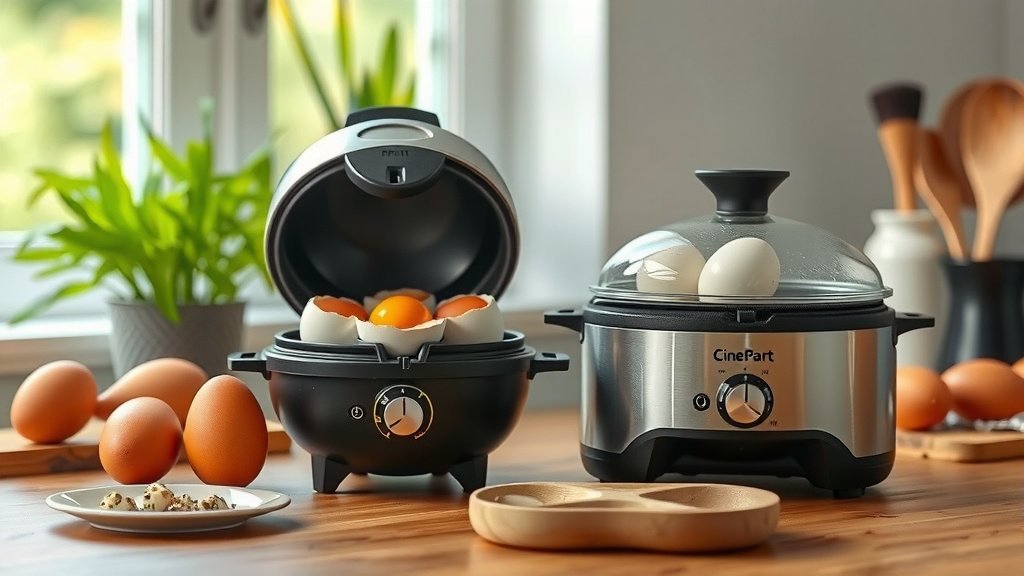
This is where egg cookers truly shine. You can consistently achieve soft-boiled eggs with runny yolks, medium-boiled eggs with just-set yolks, or firm-boiled eggs that are perfect for egg salad. The precision of the steam cooking means you’re far less likely to overcook them, a common pitfall when boiling in a pot. Just add the right amount of water, place your eggs in the holder, put on the lid, and let it do its thing. You’ll be surprised at how perfectly cooked they are, every single time.
Poached Eggs: A Touch of Elegance
Many egg cookers come with a special poaching tray. This tray has individual cups, often non-stick, where you can crack your eggs. You add a bit more water for poaching, as it requires a longer steam time. The steam gently cooks the egg, creating a beautifully formed poached egg with a delicate white and a luscious, runny yolk. It’s a fantastic way to enjoy poached eggs without the usual swirling-water fuss. We found this method to be surprisingly foolproof.
Scrambled Eggs: Quick and Easy
Some egg cookers include a small bowl or tray for scrambling. You whisk your eggs, perhaps with a splash of milk or cream, and pour them into the provided dish. The steam then cooks the eggs from below and around. This results in a fluffy, evenly cooked scramble that’s ready in minutes. It’s a great option for busy mornings when you want scrambled eggs but don’t want to stand over a hot stove. It’s a convenient alternative to pan-frying.
Why You Might Want an Egg Cooker
If you’re still on the fence, consider these compelling reasons why an egg cooker might just become your new kitchen MVP. We’ve found the benefits go beyond just convenience.
Consistency is King
As we mentioned, the biggest advantage is predictable results. No more cracked shells from rapid temperature changes or overcooked yolks. The controlled steam environment ensures your eggs are cooked to the exact doneness you desire, every time. This level of consistency is hard to achieve with traditional methods, especially when you’re trying to cook a batch of eggs.
Speed and Efficiency
Egg cookers are remarkably fast. Most can cook a batch of hard-boiled eggs in under 15 minutes, including heat-up time. This speed is a lifesaver on busy mornings. You can set it and walk away while you get ready. The compact size also means they don’t take up much counter space, making them ideal for smaller kitchens. It’s a very time-saving appliance.
Energy Savings
Compared to boiling a full pot of water on the stove, an egg cooker uses significantly less energy. It only heats the small amount of water needed for steaming. This makes it a more energy-efficient choice for cooking eggs. Over time, this can add up to small savings on your utility bills.
Simplicity of Use
The operation is incredibly straightforward. Add water, add eggs, press a button. That’s it! There’s no complex programming or tricky settings to master. Even kids can help operate an egg cooker safely under supervision. It makes preparing eggs accessible and easy for everyone.
Making the Most of Your Egg Cooker: A Quick Checklist
To ensure you get the best experience with your new egg cooker, keep these tips in mind:
- Always use the provided measuring cup to get the water amount just right.
- Don’t overcrowd the egg holder tray.
- Ensure the lid is properly sealed to trap the steam effectively.
- Clean the heating element regularly to maintain performance.
- Experiment with water amounts to find your perfect doneness settings.
- Consider using slightly older eggs for easier peeling.
Following these simple steps will help you achieve perfect eggs consistently.
“`Conclusion
You now understand that an egg cooker is a simple yet brilliant kitchen tool. It uses steam to take the guesswork out of perfectly cooked eggs, every single time. We’ve seen how it handles boiling, poaching, and scrambling with remarkable ease. The benefits of consistency, speed, and energy efficiency make it a worthwhile addition to your kitchen. If you’re tired of inconsistent eggs or just want to simplify your morning routine, investing in an egg cooker is a smart move. Give it a try and enjoy consistently delicious eggs with minimal effort!
Frequently Asked Questions
How much water do I actually need to use?
The amount of water depends on your desired egg doneness and the specific cooker model. Most egg cookers come with a measuring cup, and you’ll use that to measure water for soft, medium, or hard-boiled eggs. We found experimenting with the water lines on the cup helps you find your perfect setting.
Can I cook eggs other than chicken eggs in an egg cooker?
While most egg cookers are designed for standard chicken eggs, you might be able to cook smaller eggs like quail eggs. You would likely need to adjust the water amount and cooking time. Larger eggs, such as duck eggs, might not fit or cook properly.
Are egg cookers safe to use?
Yes, egg cookers are very safe. They are designed with automatic shut-off features that activate once the water has evaporated. The steam is contained within the unit, and the exterior typically stays cool enough to handle safely.
How do I clean an egg cooker?
Cleaning is generally quite simple. Most parts, like the egg holder tray and lid, are removable and can be washed with soap and water. You might need to wipe down the heating element with a damp cloth, and occasionally descale it if you have hard water.
Do egg cookers really save time compared to boiling on the stove?
Yes, many users find they save time, especially when factoring in prep and monitoring. You simply add water and eggs, press a button, and walk away. Most cookers finish within 10-15 minutes, which is often faster than bringing a pot of water to a rolling boil and then cooking.