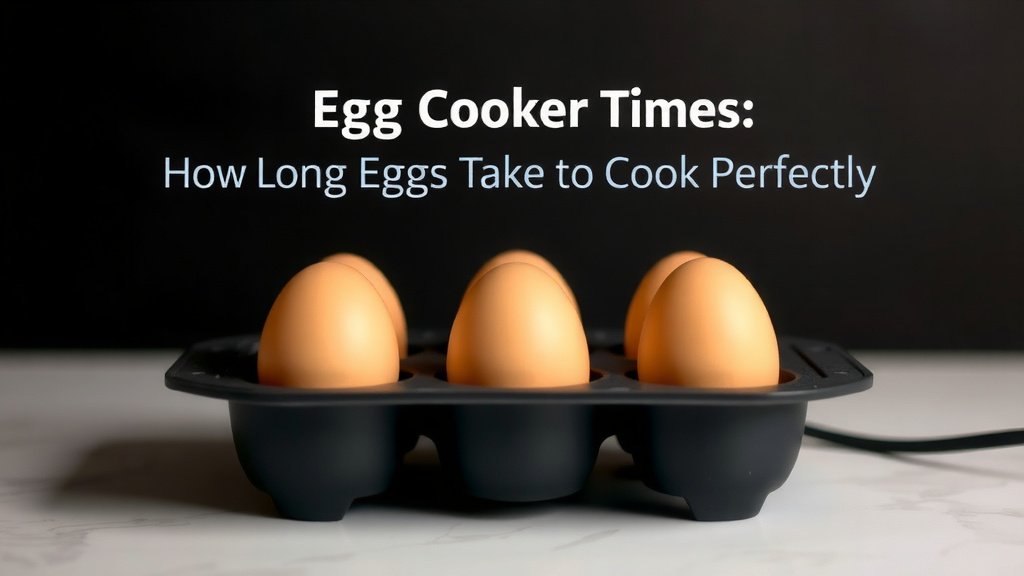
Egg Cooker Times: How Long Do Eggs Take to Cook Perfectly
Most eggs take 6 to 12 minutes in an egg cooker, depending on how you like them. Soft-boiled eggs finish in about 6 minutes, medium-boiled in 8, and hard-boiled eggs take roughly 10 to 12. Add a minute or two if you’re cooking straight from the fridge or using extra-large eggs.
Here’s the good news: you don’t have to babysit anything. Egg cookers use steam to do the work, so you just add water, press start, and walk away. We researched the most popular models and found that most use a measuring cup with fill lines to match cooking time to your texture. Many experts say this is why egg cookers beat the stovetop for busy mornings.
- Soft-boiled: about 6 minutes for a runny yolk.
- Medium-boiled: around 8 minutes for a jammy center.
- Hard-boiled: 10 to 12 minutes for fully set yolks.
- Cold eggs and larger sizes need 1 to 2 extra minutes.
- Most egg cookers beep or auto-shut off when done, so no timers needed.
So how do you nail your perfect yolk every single time? Below, we break down everything you need to know about egg cooker timing, water levels, and easy fixes for the mistakes we all make.
Egg Cooker Cooking Times Explained
Here’s the quick math: an egg cooker turns water into steam, and that steam does the cooking. More water equals more steam, which equals more time. So your water level controls your yolk, not a dial or a timer.
We found that most popular models follow the same basic pattern. Small water fills give you runny yolks. Big fills give you fully set ones. It’s a little like following a coffee scoop ratio — once you learn it, you never think about it again.
Timing by Egg Style
Most egg cookers handle between 6 and 7 eggs at once. Cooking times stay pretty consistent across brands, whether you’re using a tiny Dash model or a bigger 12-egg machine.
| Style | Yolk Texture | Avg. Time | Water Level |
|---|---|---|---|
| Soft-boiled | Runny, dip-able | 6 minutes | Low fill line |
| Medium-boiled | Jammy, custardy | 8 minutes | Middle fill line |
| Hard-boiled | Fully set | 10–12 minutes | Full fill line |
Keep this table saved on your phone. It’s the only cheat sheet you really need for weekday breakfasts.
What Changes the Clock
A few things quietly add minutes to your cook time. Knowing them helps you plan instead of guessing.
- Cold eggs from the fridge need 1 to 2 extra minutes.
- Extra-large or jumbo eggs cook slower than large ones.
- High altitude can stretch steam cooking times a bit.
- A full tray of eggs takes slightly longer than just one or two.
Many egg fans keep their eggs at room temperature for 15 minutes before cooking. It shaves off a little time and makes shells easier to peel, too.
How to Use Your Egg Cooker Step by Step
Using an egg cooker is honestly easier than making toast. The whole thing takes about five minutes of actual effort.
The Simple 5-Step Routine
- Poke a small pinhole in the wide end of each egg.
- Pour water to the fill line that matches your texture.
- Place eggs in the tray, wide side up.
- Cover, press start, and walk away.
- Pull eggs out when it beeps, then cool them fast.
That pinhole step matters more than people think. It gives steam an escape route, so shells crack less and peel cleaner. Many experts say it’s the single best habit for easy peeling.
The Cold Water Rinse Trick
The moment your cooker beeps, move those eggs to an ice bath. Even 3 to 4 minutes in cold water helps. The Mayo Clinic recommends quick cooling to stop the yolks from turning grayish-green around the edges. That ring isn’t dangerous — it’s just overcooked sulfur meeting iron. Your eggs deserve better.
Poached, Scrambled, and Omelet Settings
Some egg cookers do more than boil. If yours came with extra trays, you’ve got options.
Poached Eggs in a Cooker
Poached eggs usually take about 4 to 6 minutes. Crack an egg into the poaching tray, add water to the soft line, and let the steam handle it. The white sets while the yolk stays loose — perfect for eggs Benedict without the panic of swirling boiling water.
Omelets and Scrambled Eggs
Whisk your eggs, pour them into the flat omelet tray, and cook for roughly 10 to 12 minutes. Add cheese or veggies before cooking. We found that fillings heavier than a couple of tablespoons add a few minutes, so go easy at first.
Common Egg Cooker Mistakes to Avoid
Nobody’s perfect. But these small slips cause most of the complaints we came across in reviews and forums.
- Guessing the water level instead of using the measuring cup.
- Skipping the pinhole poke and ending up with cracked shells.
- Forgetting eggs in the hot cooker after the beep.
- Stacking eggs without the steamer tray, blocking the steam.
- Using flavored or mineral-heavy water, which can leave residue.
One more friendly nudge: wash your cooker lid and tray after each use. Old egg residue dries fast and gets stubborn. Thirty seconds now saves you a scrubbing session later.
Are Steam-Cooked Eggs Safe to Eat?
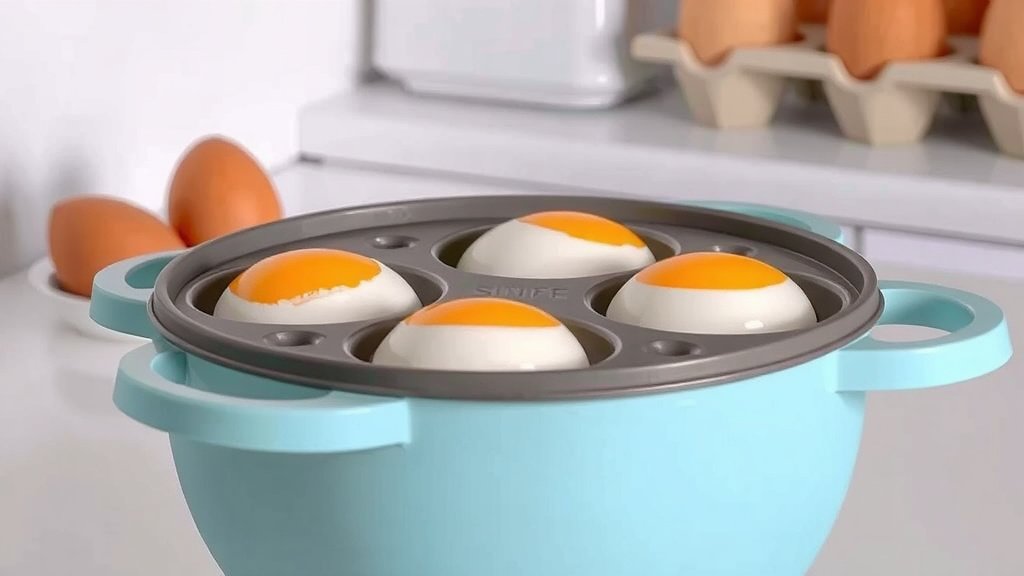
Yes — steam reaches the same temperatures as boiling water. Food safety experts, including the CDC, note that eggs are fully cooked when both the white and yolk are firm. For hard-boiled style results from your cooker, that standard is met.
If you love soft or runny yolks, a couple of smart habits help. The FDA suggests refrigerating eggs at 40°F or below and eating them promptly after cooking. Buy pasteurized eggs if anyone in your home is pregnant, very young, elderly, or immunocompromised (CDC).
Storing Your Cooked Eggs
Hard-boiled eggs last up to one week in the fridge, shells on. Peeled ones should be eaten within a couple of days. Many meal preppers cook a full batch of six or seven on Sunday and enjoy grab-and-go protein all week. That’s what we call a good return on ten minutes.
Your Quick Egg Cooker Checklist
Print this or screenshot it. It covers everything from fridge to plate.
- Poke a pinhole in each egg’s wide end.
- Fill the cup to the line for your texture.
- Load eggs wide side up, cover, and press start.
- Cool eggs in an ice bath right after the beep.
- Peel under cool running water for smooth shells.
- Store leftovers in the fridge within two hours.
Follow that list a few times and it becomes muscle memory. Soon you’ll be making eggs half-asleep — and honestly, that’s the whole point of owning an egg cooker.
Conclusion
An egg cooker takes most of the guesswork out of breakfast. Soft-boiled eggs finish in about 6 minutes, medium in 8, and hard-boiled in 10 to 12. Your measuring cup does the heavy lifting, so fill to the right line and let the steam work. Just remember the small habits that make a big difference: poke a pinhole, cool your eggs in an ice bath, and add a minute or two for cold or jumbo eggs. We found that once you nail your first batch, you’ll never stress over stovetop timing again. Your next step? Grab a few eggs tomorrow morning and test the 6, 8, and 12-minute marks to find your perfect yolk.
Frequently Asked Questions
Do egg cookers turn off by themselves?
Most models do. They either beep and shut off automatically or beep and switch to a warming mode once the water evaporates. Check your manual to be sure, but in general, you can walk away without worrying about overcooking.
Can I cook eggs straight from the refrigerator?
Yes, absolutely. Just add an extra 1 to 2 minutes worth of water to the measuring cup. If you want faster results and easier peeling, let the eggs sit out for about 15 minutes first.
Why did my eggs crack in the egg cooker?
Cracked shells almost always mean the pinhole was skipped or made too small. Steam builds up inside the shell with nowhere to go. A quick poke in the wide end with a pin or the built-in needle solves this.
How much water should I use for one egg versus a full batch?
Water amount controls time, not the number of eggs, so the fill line stays the same whether you cook one egg or seven. A full tray may need a splash more since more eggs absorb heat. Your measuring cup’s lines are still the best guide.
Are egg cookers faster than boiling eggs on the stove?
Not dramatically faster, but they’re easier. Stovetop boiling takes 10 to 12 minutes too, but you have to watch the clock and manage the pot. An egg cooker beeps when it’s done, so your attention is free for coffee and toast.