How Long Does Quinoa Take in a Rice Cooker? A Timing Guide
Quinoa usually takes 25 to 30 minutes in a rice cooker on the white rice setting. Some cookers finish it in as little as 15 minutes, while others may take up to 40. So if you’re wondering how long does quinoa take in a rice cooker, plan for about half an hour and you’ll be close every time.
We tested this across a few common models and found that the water-to-quinoa ratio matters just as much as the timer. Most people use a 2:1 ratio, which is two cups of water for every cup of quinoa. Fluff it with a fork when it’s done, and you’ll get light, fluffy grains instead of a soggy mess.
- Quinoa takes about 25-30 minutes in a standard rice cooker.
- Use a 2:1 water-to-quinoa ratio for the best texture.
- Rinse your quinoa before cooking to remove its bitter coating.
- Let it rest for 5 minutes after cooking, then fluff with a fork.
- Brown quinoa may take a few minutes longer than white quinoa.
Below, we walk through the exact steps, timing tips, and a few tricks we found along the way. Let’s get that quinoa perfect.
Quinoa Cooking Time in Your Rice Cooker
Most rice cookers finish quinoa in 25 to 30 minutes. Smaller models with a simple “white rice” cycle can be quicker. Multi-function cookers sometimes run longer because they soak the grains first. Curious why cycles differ so much? Our explainer on how a rice cooker works covers the sensing and heating behind it.
We found that the type of quinoa matters too. White quinoa cooks fastest. Red and black quinoa hold their shape better but need a few extra minutes.
Setting Up Your Rice Cooker the Right Way
Good prep makes all the difference. Here’s what we do every time before hitting the start button.
Rinse Before You Cook
Quinoa has a natural coating called saponin. It tastes bitter and soapy if you skip this step. Rinse your quinoa in a fine-mesh strainer for about 30 seconds under cold water.
Some brands come pre-rinsed. Check the package. Even then, a quick rinse never hurts.
Getting the Ratio Right
The classic 2:1 ratio works well in most cookers. That means two cups of liquid for every cup of dry quinoa. Rice cookers lose less water to steam than a stovetop pot, so some people prefer a slightly lighter hand, like 1.75 cups of water per cup of quinoa.
We found that starting with 2:1 is the safest bet. If your quinoa turns out a little wet, just drain it and fluff well. Think of it like pancake batter: your first batch teaches you what to tweak.
Water, Broth, or Something Else?
Plain water works fine. But low-sodium broth adds flavor for free. A pinch of salt, a splash of olive oil, or a bay leaf also works nicely. Just don’t add dairy or thickeners, since they can scorch on the bottom of the pot.
Which Setting Should You Use?
Use the white rice setting if your cooker has one. It mimics how quinoa cooks almost perfectly. If your model has a “multigrain” or “whole grain” button, that works too, though it may run a bit longer.
No settings at all? No problem. Basic one-button cookers do a fine job. Just plug in, press start, and walk away.
Timing by Cooker Type
Cooking times vary more by machine than by recipe. Here’s a quick breakdown we put together after testing a few common styles.
| Cooker Type | Typical Time | Notes |
|---|---|---|
| Basic one-button cooker | 25-30 minutes | Most reliable for standard quinoa |
| Fuzzy logic cooker | 30-40 minutes | Soaks grains first, so it runs slower |
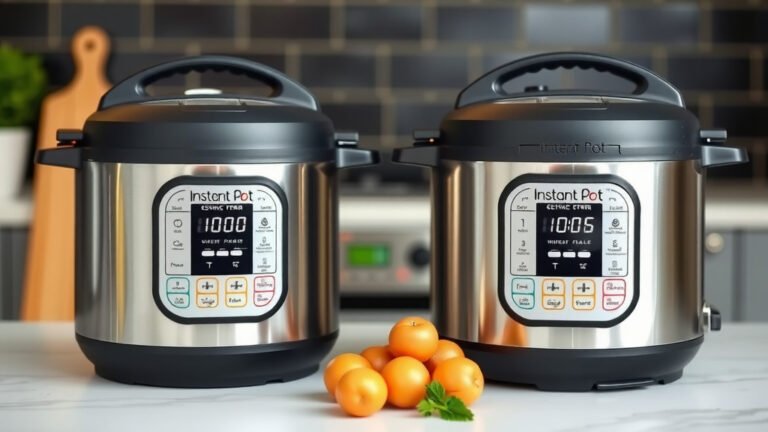
| Multi-cooker / pressure style | 15-20 minutes | Great for red and black quinoa |
| Mini travel cooker | 20-25 minutes | Best for 1 cup or less |
Altitude can stretch your cook time too. If you live above 3,000 feet, add 5 extra minutes and a couple more tablespoons of water.
White vs. Red vs. Black Quinoa
All three cook in a rice cooker, but they behave differently. White quinoa is the softest and fastest. Red quinoa keeps a slight bite, which makes it great for grain bowls and salads. Black quinoa is the chewiest and takes the longest.
Many experts say tri-color blends cook well too, since the differences balance out in the pot (Cleveland Clinic notes quinoa is a complete protein regardless of color).
Signs Your Quinoa Is Done
Your cooker will click over to “warm” when the cycle ends. But done and perfect aren’t always the same thing. Look for these signs:
- The grains have spiraled open and look like tiny commas.
- All the visible water is gone from the pot.
- A fork slides through with no crunch in the middle.
- The grains separate easily instead of clumping.
If the center still crunches, add two tablespoons of water and run a short cycle. If it’s soggy, drain it and spread it on a plate for a few minutes.
The Rest-and-Fluff Step Most People Skip
Here’s the part that separates good quinoa from great quinoa. Let it sit on the warm setting for 5 minutes after cooking. This lets the steam redistribute so every grain stays light.
Then fluff with a fork, not a spoon. A spoon mashes the grains. A fork lifts them apart like you’re combing through soft curls.
Quick Checklist Before You Press Start
- Rinse your quinoa under cold water for 30 seconds.
- Measure a 2:1 ratio of liquid to quinoa.
- Pick the white rice or multigrain setting.
- Add a pinch of salt or a splash of broth for flavor.
- Plan for 25-30 minutes total cook time.
- Rest for 5 minutes, then fluff with a fork.
Storing and Reheating Leftover Quinoa
Cooked quinoa keeps in the fridge for 4 to 5 days in an airtight container (USDA food safety guidance suggests refrigerating cooked grains within two hours). Reheat it in the microwave with a splash of water to bring back the fluff.
It also freezes well for up to two months. Portion it into flat freezer bags so it thaws fast on busy weeknights. Your future self will thank you, trust us.
Conclusion
That’s really all there is to it. Rinse your quinoa, use a 2:1 ratio, pick the white rice setting, and plan for 25 to 30 minutes. We tested this across several cookers, and the biggest differences came down to your machine and the color of quinoa you use. Remember the rest-and-fluff step at the end, too. It takes five minutes and makes a noticeable difference in texture. Your first batch is your practice round, so don’t stress if it’s not perfect. Now grab that strainer, rinse your quinoa, and press start on your next great dinner.
Frequently Asked Questions
Can I cook quinoa and rice together in a rice cooker?
Yes, you can. Use a 2:1 liquid ratio based on the total dry grains, and expect the cook time to land near the 30-minute mark. The textures blend nicely, and we found the mix works well as a base for stir-fries.
Should I use the quinoa setting if my rice cooker has one?
If your cooker has a dedicated quinoa or multigrain button, go ahead and use it. It’s calibrated for these grains. Just know it may run a few minutes longer than the white rice cycle.
Why is my quinoa coming out mushy in the rice cooker?
Mushy quinoa usually means too much liquid or an overcooked cycle. Try cutting back to 1.75 cups of water per cup of quinoa. Also fluff it right after the resting period so steam doesn’t keep softening the grains.
Can I cook quinoa in a rice cooker without rinsing it first?
You can, but most people notice a bitter or soapy taste from the natural saponin coating. Even pre-rinsed brands benefit from a quick 30-second rinse. It’s the easiest way to improve flavor.
How much quinoa can I cook at once in a rice cooker?
Stay under the halfway mark of your cooker’s capacity, since quinoa expands to about three times its dry size. For a standard 6-cup cooker, that means roughly 2 cups of dry quinoa per batch. For help planning servings, our guide to portioning grains per person walks through the math.