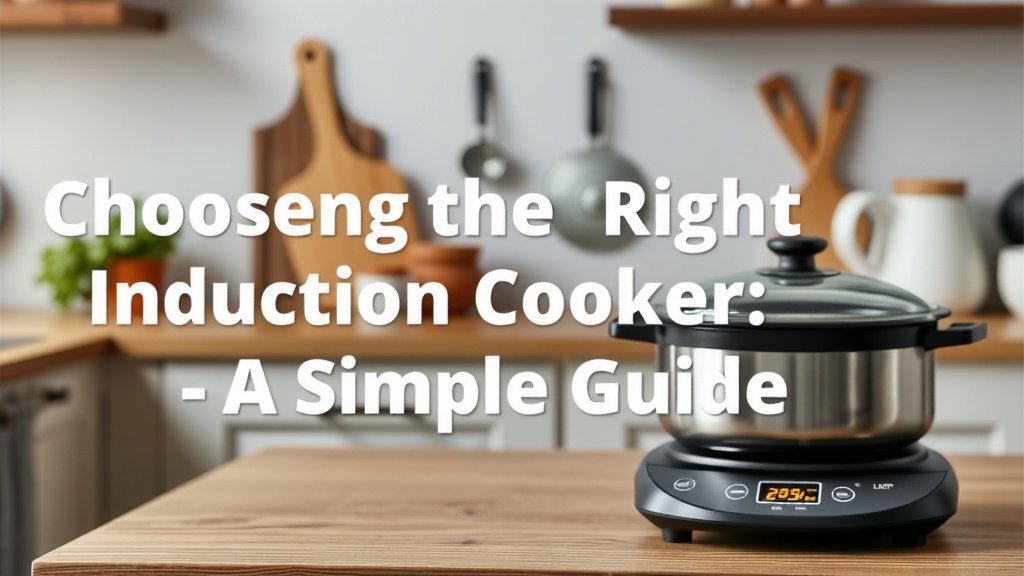
Choosing the Right Induction Cooker: A Simple Guide
Choosing an induction cooker involves considering your kitchen needs and budget. Look for cooktops that offer precise temperature control and a variety of power levels for different cooking styles. Ensure the unit has a smooth surface for easy cleaning and safety features like automatic shut-off.
Your decision also depends on your current cookware. Induction cookers require magnetic pots and pans, so you might need to update your kitchenware. Think about the size of the cooktop you need, whether it’s a portable unit or a built-in model for your kitchen counter.
- Consider your cookware compatibility.
- Look for precise temperature and power settings.
- Prioritize safety features like auto shut-off.
- Think about the size and type (portable vs. built-in).
Let’s walk through exactly how to pick the best induction cooker for your home.
Making the Right Choice for Your Induction Cooker
Choosing the perfect induction cooker can feel like a big decision. But don’t worry, we’re here to guide you through it. Think of it as finding the right tool for your kitchen’s unique needs. We’ve found that understanding a few key factors makes all the difference.
Cookware Compatibility: The Magnetic Connection
This is often the first hurdle for many people. Induction cookers work by using electromagnetism to heat your cookware directly. This means your pots and pans need to have a magnetic base.
How to Check Your Cookware
It’s simple! Grab a magnet and see if it sticks to the bottom of your pan. If it does, you’re good to go. If not, you’ll likely need to invest in some new cookware. Many manufacturers now clearly label their products as “induction compatible.”
Don’t toss out all your old pots just yet. Many brands offer adapters that sit on the induction surface and then heat your non-magnetic pans. We found these can be a decent temporary solution, but they aren’t as efficient as direct induction cookware.
Types of Induction-Safe Cookware
You’ll find a range of materials that work well:
- Stainless Steel: Many stainless steel pans are induction-ready, especially those with a thicker, clad bottom.
- Cast Iron: Classic cast iron is inherently magnetic and works wonderfully.
- Enameled Cast Iron: These are also a great choice.
- Carbon Steel: Another magnetic option that heats quickly.
Materials like copper, aluminum, and glass won’t work on their own, as they aren’t magnetic. Research and found that sticking to magnetic cookware is the most straightforward path to happy induction cooking.
Size and Type: Where Will It Live?
Induction cookers come in various shapes and sizes. Your kitchen space and how you plan to cook will determine the best fit.
Portable Induction Burners
These are fantastic for smaller kitchens, dorm rooms, or if you just want an extra burner for entertaining. They are usually single-burner units that plug into a standard outlet. We found they are super easy to store when not in use.
Built-In Induction Cooktops
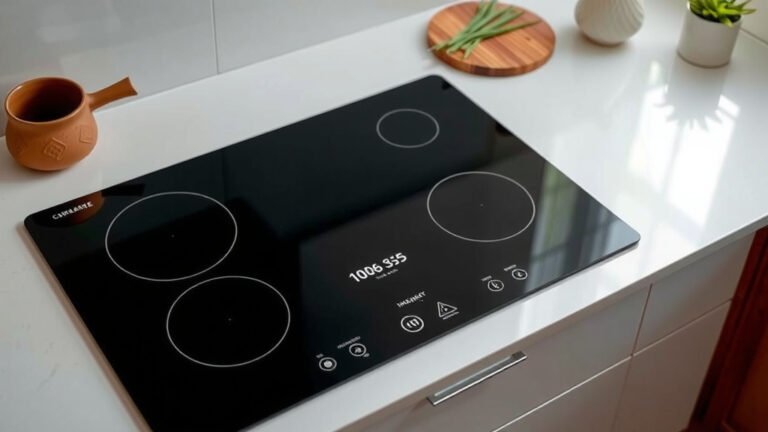
These are designed to be permanently installed into your kitchen counter. They offer multiple burners and a sleek, modern look. Installation can be more involved, often requiring a dedicated electrical circuit. Many homeowners opt for these when renovating their kitchens.
Deciding on the Right Size
Consider how many people you typically cook for. If it’s just you, a single portable burner might be enough. For a family of four, a cooktop with at least four burners is usually recommended. Think about the size of your pots and pans too. You need enough space to place them comfortably without them touching.
Features to Look For: Enhancing Your Cooking Experience
Beyond the basics, induction cookers offer features that can make cooking easier and safer. We’ve researched the most helpful ones.
Temperature Control and Power Levels
Induction’s biggest advantage is its precise heat. Look for models with a wide range of power settings, often displayed as numbers or heat levels. Some higher-end models even offer specific temperature settings, like “simmer” or “sear.” This precise control is something many chefs and home cooks rave about.
Safety First: Essential Features
Safety is a big deal with any kitchen appliance. Induction cookers are generally safer than gas or traditional electric because the surface itself doesn’t get as hot. However, there are still features to look for:
- Automatic Shut-Off: This is crucial. It turns the burner off if no pot is detected or if it’s left on for too long.
- Child Lock: Great for families, this prevents accidental activation.
- Cool-to-Touch Surface: While the surface heats up from the pot, it cools down quickly.
Many guidelines point to these safety features as major benefits of induction technology (Consumer Product Safety Commission).
User-Friendly Controls and Cleaning
Touch controls are common on built-in models and are easy to wipe clean. For portable units, simple dial or button controls are often found. The glass-ceramic surface is the star here – spills and splatters wipe away with ease, unlike the grates on gas stoves.
Boost Functionality
Some induction cookers have a “boost” or “power boost” function. This temporarily increases the heat output of a specific burner for rapid boiling or searing. We found this can be a real time-saver when you’re in a hurry.
Budgeting for Your Induction Cooker
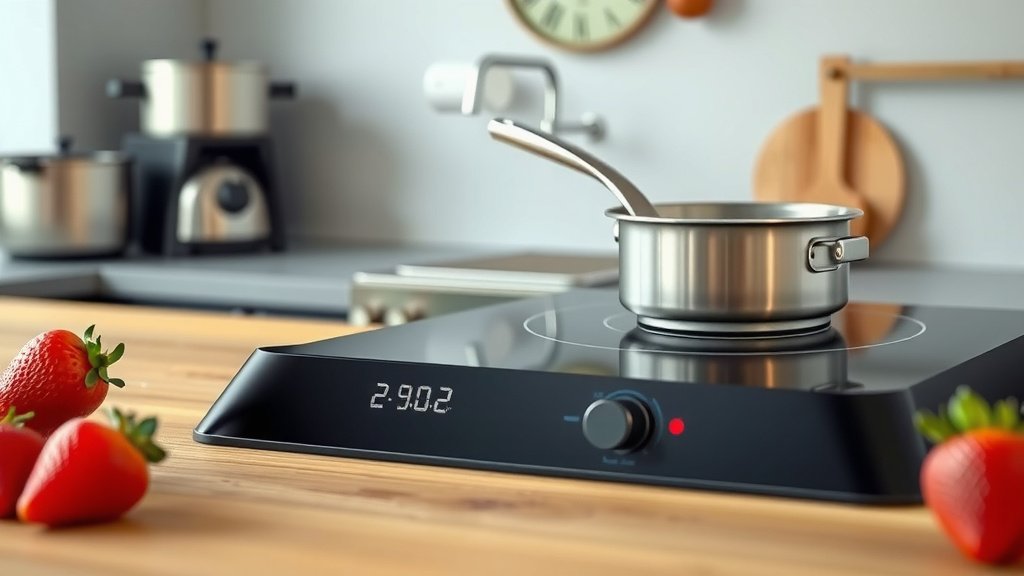
Prices can vary quite a bit. Portable induction burners can start as low as $50. Built-in cooktops can range from $500 to $2,000 or more, depending on brand, size, and features.
Considering the Long-Term Value
While the upfront cost might be higher than some other cooktop types, induction cookers are very energy-efficient. They also tend to be very durable. Many experts suggest that the energy savings and longevity make them a smart investment over time.
Quick Checklist for Choosing Your Induction Cooker
Here’s a quick recap to help you narrow down your options:
- Confirm Cookware: Does your existing cookware work, or will you need new pots and pans?
- Measure Your Space: For built-in models, ensure the dimensions fit your counter cutout. For portable, where will you store it?
- Determine Burner Needs: How many burners do you need based on your household size?
- Prioritize Safety: Look for auto shut-off and child lock features.
- Set Your Budget: Decide how much you’re comfortable spending.
- Read Reviews: See what other users say about performance and durability.
Conclusion
You’re now equipped to find the perfect induction cooker for your kitchen! Remember, the key is matching the cooker’s features to your cooking style and cookware. We’ve seen that checking for magnetic cookware compatibility is step one. Then, consider the size and type that best fits your space and needs. Prioritizing safety features like auto shut-off will give you peace of mind. Your next step is to browse models that meet these criteria and read user reviews for real-world performance insights.
Frequently Asked Questions
What if my current pots and pans aren’t induction-ready?
Don’t worry if your existing cookware isn’t magnetic. You can purchase induction adapter plates that sit between the cooktop and your pan. While this is a viable option, we found that investing in new induction-compatible cookware offers the most efficient and direct heating experience.
Are induction cookers difficult to clean?
Not at all! Induction cookers typically feature a smooth glass-ceramic surface, making them incredibly easy to clean. Spills and splatters can usually be wiped away with a damp cloth once the surface has cooled down. This is a major advantage over gas cooktops with grates.
How much hotter does the induction cooktop surface get compared to a regular electric stove?
The induction cooktop surface itself doesn’t generate direct heat. It only gets warm from residual heat transferred back from the cookware. This means it stays much cooler than traditional electric coil or radiant smooth-top surfaces, making it safer to touch.
What is the “boost function” on induction cookers?
The boost function, sometimes called “power boost,” temporarily increases the heat output of a specific burner. We found this feature is excellent for rapidly boiling water or achieving a quick sear on food. It’s a convenient way to save time when you need high heat quickly.
Are induction cookers really more energy-efficient than other types?
Yes, research indicates that induction cookers are highly energy-efficient. Because they heat the cookware directly, less heat is lost to the surrounding air compared to gas or radiant electric cooktops. This efficiency can translate into lower energy bills over time.